
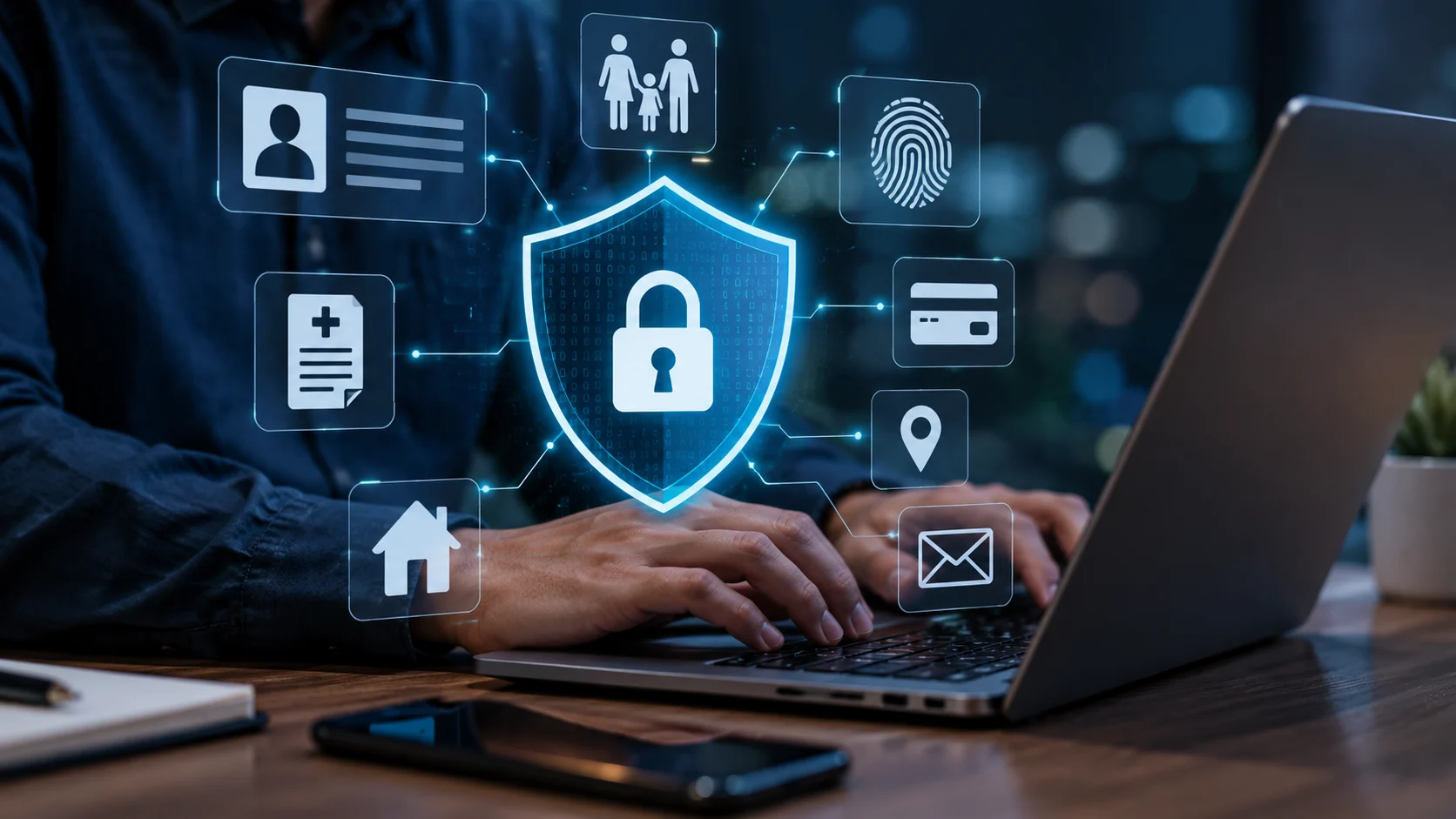
Personally identifiable information, commonly called PII, plays a major role in cyber security because it can be used to identify, contact, locate, or impersonate an individual. Businesses collect PII every day through customer accounts, employee records, online forms, financial transactions, and digital services. Protecting this information is essential because stolen personal data can lead to fraud, identity theft, account takeover, and privacy violations.
Understanding what is PII in cyber security helps organizations recognize which information needs stronger protection and how attackers may try to obtain it. PII can include obvious details such as names and identification numbers, but it may also involve information that becomes identifying when combined with other data. Effective security therefore requires careful collection, storage, access control, monitoring, and disposal of personal information.
What Is PII in Cyber Security?
PII stands for personally identifiable information. In cyber security, it refers to information that can identify a specific person either by itself or when combined with other data. Examples can include a person’s full name, identification number, home address, email address, phone number, financial details, or other information linked to their identity.
The exact definition of PII can vary depending on the organization, legal framework, and context in which the information is collected. Some information may clearly identify someone, while other details become sensitive only when combined. For example, a date of birth alone may not identify one person, but combining it with a name and location may make identification much easier.
Cyber security teams protect PII because attackers can use personal information for phishing, identity fraud, account recovery attacks, social engineering, and financial crimes. Organizations must understand where PII is stored, who can access it, and how it moves between systems. Without this visibility, sensitive personal information can become exposed through breaches, mistakes, or poorly configured technology.
What Are Common Examples of PII?
Common examples of PII include full names, residential addresses, personal email addresses, telephone numbers, dates of birth, and identification numbers. Government-issued identifiers, passport numbers, driver’s license details, and tax-related identification information are particularly sensitive because they may be used to verify a person’s identity. Organizations should apply stronger controls to information that could cause significant harm if exposed.
Financial information may also qualify as PII when it is linked to a particular individual. Bank account details, credit card information, payment history, and financial account identifiers can become valuable targets for cybercriminals. Attackers may use stolen financial information directly for fraud or combine it with other personal details to impersonate the victim more convincingly.
Digital information can also contribute to identifying a person depending on context. Usernames, account identifiers, device information, online activity, IP-related data, photographs, and location information may become personally identifying when connected with other records. Cyber security teams therefore need to consider the complete data environment rather than looking only for obvious information such as names and addresses.
What Is Sensitive PII?
Sensitive PII generally refers to personal information that could cause greater harm if it were exposed, stolen, or misused. This may include financial information, identification numbers, account credentials, biometric information, medical-related details, or other highly private records. Organizations commonly give this information stronger protection because the consequences of compromise can be more serious.
Not all PII carries the same level of risk. A publicly available business email address may create less risk than a combination of a person’s identification number, banking details, and account credentials. Data classification helps organizations separate lower-risk information from highly sensitive personal information so appropriate security controls can be applied.
Sensitive information should usually receive stronger safeguards such as encryption, restricted permissions, secure authentication, logging, and careful monitoring. Organizations should also minimize unnecessary copies of sensitive data because every additional storage location creates another potential exposure point. Limiting access to employees who genuinely require the information can significantly reduce the likelihood of accidental or deliberate misuse.
Why Is PII Important in Cyber Security?
PII is important in cyber security because personal information has significant value to attackers. Stolen information can support identity theft, fraudulent payments, account compromise, targeted phishing, and other forms of cybercrime. Even information that seems harmless may become useful when attackers combine it with data collected from social media, previous breaches, or public sources.
Businesses also have a responsibility to protect information entrusted to them by customers, employees, partners, and users. A breach involving personal information can damage trust and create operational, financial, and legal consequences. Organizations may also need to investigate the incident, notify affected individuals, improve security controls, and respond to regulatory requirements after a significant data exposure.
Protecting PII is therefore closely connected with data security, identity management, privacy, and risk management. Organizations should know what personal information they collect, why they need it, where it is stored, and how long it should be retained. Strong data governance makes it easier to apply security measures according to the sensitivity and business purpose of the information.
How Do Cybercriminals Steal PII?
Phishing is one of the most common ways attackers attempt to steal personally identifiable information. A fake email, login page, text message, or phone call may persuade someone to provide passwords, banking details, identification information, or account verification codes. Attackers often create a sense of urgency so victims act quickly without carefully checking the request.
Malware can also collect personal information from infected computers and mobile devices. Some malicious programs record keystrokes, capture login credentials, search stored files, or secretly monitor user activity. Attackers may distribute malware through suspicious attachments, compromised websites, malicious downloads, or software vulnerabilities that have not been properly patched.
Data breaches provide another major source of stolen PII because attackers may access entire databases containing customer or employee records. Weak passwords, vulnerable applications, cloud misconfigurations, excessive permissions, and stolen administrator accounts can all contribute to breaches. Once the information is stolen, attackers may sell, share, or use it in additional scams and identity-based attacks.
How Is PII Used in Cyber Attacks?
Attackers can use stolen PII to make phishing messages more convincing. Instead of sending a generic message, a criminal may include the victim’s real name, workplace, phone number, account details, or recent activity. Personalized information makes fraudulent communications appear more trustworthy and can increase the likelihood that someone follows dangerous instructions or reveals additional information.
PII may also be used to bypass account recovery processes. If an attacker knows someone’s date of birth, address, phone number, or other verification details, they may attempt to impersonate the person when contacting customer support. Weak recovery procedures can allow criminals to reset passwords, change contact information, or gain control of valuable online accounts.
Identity fraud can become even more serious when attackers combine data from several sources. Information stolen during one breach may be paired with passwords from another incident and public information from social media. This combination can help criminals create detailed profiles that support financial fraud, account takeover, social engineering, or fraudulent applications made in another person’s name.
How Can Organizations Protect PII?
Organizations should begin by identifying where PII exists throughout their systems. Data may be stored in databases, cloud services, email accounts, employee devices, backups, customer relationship systems, and shared files. Creating a clear inventory helps security teams understand which information is sensitive and where stronger controls need to be applied.
Access to PII should follow the principle of least privilege, meaning employees receive only the permissions necessary for their jobs. Strong authentication should also protect systems containing sensitive personal information. Learning about cyber security careers can also help beginners understand how security professionals work with access management, data protection, monitoring, and other responsibilities related to safeguarding information.
Organizations should also encrypt sensitive information while it is stored and when it moves between systems. Regular backups, security monitoring, patch management, and endpoint protection add additional layers of defense. When combined with employee awareness and clear security procedures, these measures make it more difficult for attackers to steal or misuse personally identifiable information.
What Role Does Encryption Play in PII Protection?
Encryption converts readable information into a protected format that cannot easily be understood without the correct cryptographic key. It is commonly used to protect sensitive personal information stored in databases, laptops, mobile devices, cloud platforms, and backups. Encryption reduces the usefulness of stolen data when attackers cannot access the keys required to decrypt it.
Data should also be protected while it travels between users, applications, servers, and online services. Secure communication protocols help prevent unauthorized parties from reading sensitive information during transmission. This protection is especially important when customers enter personal information into websites or when businesses transfer sensitive records between different systems and locations.
Encryption alone is not enough because attackers may still gain access through compromised accounts or stolen credentials. Organizations must protect encryption keys, manage permissions carefully, and monitor unusual access to sensitive systems. Encryption works best as one part of a broader security strategy that also includes authentication, access controls, backups, and security monitoring.
How Do Access Controls Protect PII?
Access controls determine which users can view, change, download, or delete sensitive information. Organizations should avoid giving broad permissions simply because they are convenient. Employees who only need access to a small part of a system should not automatically receive permission to view entire databases containing customer or employee PII.
Role-based access control can help businesses assign permissions according to job responsibilities. For example, a customer support employee may need basic account information but may not need access to financial records or administrator settings. Limiting permissions reduces the amount of sensitive information exposed if an employee account is compromised or incorrectly used.
Organizations should regularly review accounts and remove unnecessary access when employees change roles or leave the company. Administrator accounts require particularly strong protection because they may provide access to large amounts of sensitive information. Multi-factor authentication, monitoring, privileged access controls, and secure account recovery procedures can significantly strengthen protection around important systems.
How Can Employees Help Protect PII?
Employees play an important role in protecting personal information because many security incidents involve human actions. Staff should understand which data is considered sensitive and how it should be handled, shared, stored, and deleted. Clear policies make it easier for employees to recognize when information needs additional protection instead of treating every file in the same way.
Security awareness training can help employees identify phishing emails, fake login pages, suspicious requests, and social engineering attempts. Workers should know that attackers may impersonate managers, customers, banks, or technology providers to obtain personal information. Reporting suspicious activity quickly gives security teams more time to investigate and prevent a small problem from becoming a larger breach.
Employees should also avoid sharing sensitive information through insecure channels or storing it in unauthorized locations. Personal data should remain within approved company systems whenever possible. Strong passwords, multi-factor authentication, secure devices, careful file sharing, and following data handling procedures can collectively reduce the risk of accidental information exposure.
What Is Data Minimization and Why Does It Matter?
Data minimization means collecting and keeping only the personal information that is genuinely required for a specific business purpose. Organizations sometimes gather more data than they need simply because storage is inexpensive or the information might be useful later. However, unnecessary personal information creates additional security risk without always providing meaningful business value.
The less sensitive information an organization stores, the less information attackers can steal during a breach. Data minimization can also make security management easier because teams have fewer systems, files, and records to protect. Businesses should regularly review what information they collect and remove data that is no longer needed according to their policies and applicable requirements.
Retention rules are an important part of data minimization because information should not necessarily be kept forever. Organizations can define how long different types of records should remain available and establish secure deletion procedures. Proper disposal helps prevent old customer files, employee records, or backups from becoming forgotten sources of sensitive information.
What Happens When PII Is Exposed?
When PII is exposed, the impact depends on the type of information involved and how attackers use it. A compromised email address may lead to more spam or phishing attempts, while stolen identification and financial information can support serious fraud. Organizations must therefore evaluate the sensitivity of the exposed data when assessing the severity of an incident.
Security teams may need to investigate how the exposure happened, which systems were affected, and whether unauthorized users accessed or downloaded personal information. They may isolate compromised devices, reset credentials, close security gaps, and increase monitoring. Accurate investigation helps organizations understand the scope of the incident instead of making decisions based on assumptions.
Affected organizations may also need to communicate with customers, employees, partners, or relevant authorities depending on the incident and applicable requirements. A strong incident response plan makes this process more organized. Preparing response procedures before a breach occurs can reduce confusion and help teams protect affected individuals more effectively when personal information is compromised.
Best Practices for Protecting PII
Organizations should classify personal information according to its sensitivity and apply stronger controls to higher-risk data. Sensitive PII should not be freely accessible across the organization. Encryption, secure authentication, least-privilege permissions, logging, backups, and regular access reviews can create multiple layers of protection around important personal information.
Systems that store or process PII should also remain updated and securely configured. Known vulnerabilities, outdated software, exposed cloud storage, and unnecessary services can create opportunities for attackers. Regular vulnerability assessments, security updates, configuration reviews, and monitoring help organizations identify weaknesses before cybercriminals can exploit them.
Finally, organizations should combine technical controls with clear policies and employee education. Staff should understand how to recognize sensitive information, where it may be stored, and how it should be shared. Regular security reviews ensure that data protection practices continue to match new systems, changing business processes, and emerging cyber threats.
Conclusion
Understanding what is PII in cyber security is essential because personal information is one of the most valuable types of data organizations manage. PII can include names, addresses, identification numbers, financial information, account details, and other data connected to a specific person. When poorly protected, this information can become a powerful tool for cybercriminals.
Organizations can protect PII through encryption, secure authentication, access controls, data minimization, backups, monitoring, and employee awareness. No single security control provides complete protection, so businesses should use several defensive layers together. Identifying where personal information is stored is an important first step toward building an effective protection strategy.
PII protection should also remain an ongoing process rather than a one-time security project. Organizations regularly introduce new applications, cloud systems, employees, and data sources that may create additional risks. Regular reviews, secure handling practices, and well-prepared incident response procedures can help businesses protect personal information as their technology environments continue to change.
FAQs
What does PII mean in cyber security?
PII means personally identifiable information. It includes information that can identify a specific person either directly or when combined with other data, such as names, addresses, identification numbers, or contact details.
What are examples of sensitive PII?
Sensitive PII may include government identification numbers, financial information, account credentials, biometric data, and other highly private records. Exposure of this information can create a greater risk of fraud or identity theft.
Is an email address considered PII?
An email address can be considered PII when it identifies or can be connected to a specific person. Personal email addresses are particularly likely to be treated as personally identifiable information.
Why do hackers want PII?
Hackers may use PII for identity theft, phishing, social engineering, financial fraud, account takeover, or unauthorized account recovery. Personal details can also make fraudulent messages appear more convincing to their targets.
How can PII be protected?
PII can be protected through encryption, strong authentication, access controls, data minimization, secure backups, software updates, employee training, and monitoring. Organizations should also limit personal information to users who genuinely need access.