
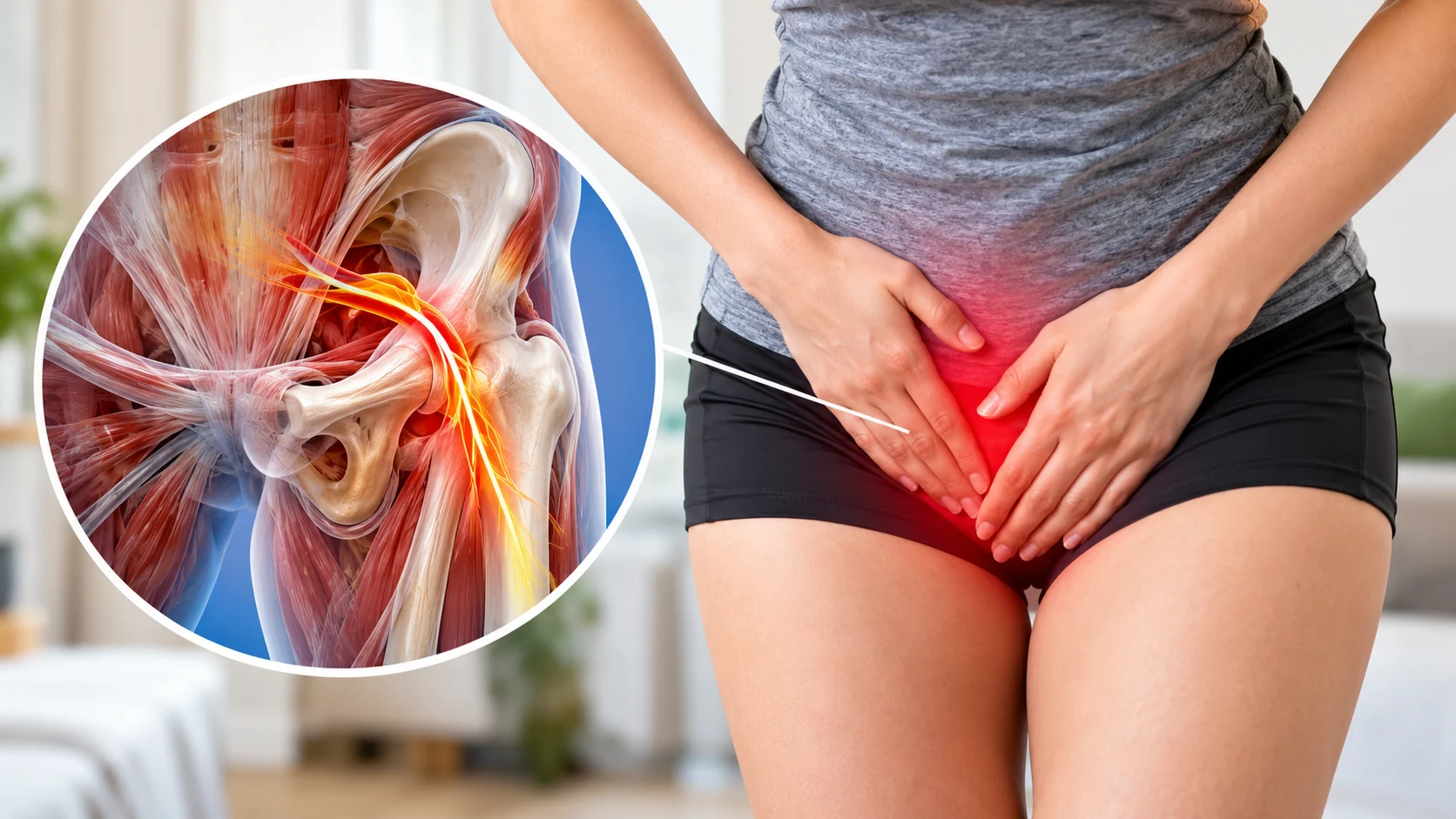
What Is Lightening Crotch?
Lightening crotch is an informal term used to describe sudden, sharp, electric-like pain felt deep in the pelvis, vagina, cervix, or rectal area during pregnancy. The sensation can appear without warning and usually lasts only a few seconds. Many people describe it as a quick shooting, stabbing, or zapping feeling rather than a constant ache.
Despite the name, lightening crotch is not a medical diagnosis. It is a description of a symptom that commonly appears later in pregnancy, particularly as the baby grows and moves lower into the pelvis. Pressure on nearby nerves, muscles, ligaments, and pelvic structures may contribute to the sudden discomfort.
The sensation can be surprising because it may occur while walking, changing position, or even sitting still. Although brief episodes are often considered a common pregnancy symptom, severe or persistent pelvic pain should not automatically be dismissed. Understanding the pattern and accompanying symptoms can help you decide when simple comfort measures are enough and when medical advice is needed.
What Does Lightening Crotch Feel Like?
Lightening crotch is often described as a sudden electrical jolt through the pelvic area. The sensation may feel as though it travels through the vagina or deep inside the pelvis before disappearing quickly. It can be intense enough to make someone pause or change position even though the discomfort lasts only a few moments.
Unlike typical muscle soreness, the feeling tends to be sharp and unpredictable rather than dull or persistent. Some people experience only occasional episodes, while others notice the sensation several times during a day. It may occur more frequently as pregnancy progresses and the baby becomes larger or settles deeper into the pelvis.
The discomfort can sometimes be confused with other pregnancy-related sensations such as pelvic pressure, round ligament pain, or contractions. Paying attention to duration and timing can help distinguish them. Lightening crotch usually appears suddenly and disappears quickly rather than following a regular pattern or lasting for an extended period.
Why Does Lightening Crotch Happen?
One possible explanation is pressure from the baby on nerves located in and around the pelvis. As the baby changes position, the head or body may briefly press against sensitive structures. This can create the sudden shooting sensation that gives lightening crotch its distinctive name.
Changes in the cervix and surrounding tissues may also contribute, especially later in pregnancy. The pelvis undergoes significant physical changes as the body prepares for birth. Ligaments become more flexible, pressure increases, and the baby may descend farther downward, creating new sensations in areas that previously felt comfortable.
It is important to remember that there may not be one single cause in every pregnancy. Baby position, pelvic anatomy, activity level, and gestational stage can all influence how symptoms feel. The sensation itself does not necessarily mean labor is beginning, particularly when episodes remain brief and irregular.
When Does Lightening Crotch Usually Start?
Lightening crotch is most commonly reported during the third trimester. This is when the baby becomes larger and may begin moving lower into the pelvis in preparation for birth. Increased pressure around the cervix, pelvic floor, and nerves can make sudden sharp sensations more noticeable during everyday movement.
Some pregnant people may experience similar sensations earlier, particularly if the baby changes position or there is pressure on sensitive pelvic structures. However, symptoms appearing much earlier in pregnancy should still be discussed with a healthcare professional if they are severe, persistent, or accompanied by other concerning signs.
The frequency may increase as the due date approaches, but this varies considerably from person to person. Some people experience lightening crotch regularly, while others never notice it at all. Both experiences can occur during otherwise normal pregnancies, so the absence of this symptom does not indicate a problem.
Is Lightening Crotch a Sign of Labor?
Lightening crotch by itself does not necessarily mean labor has started. The sensation can appear days or even weeks before birth, especially when the baby is positioned low in the pelvis. Brief, irregular zaps without other labor signs are generally different from the rhythmic tightening associated with contractions.
Labor contractions usually develop a more recognizable pattern. They tend to become stronger, longer, and closer together over time rather than appearing as isolated flashes of pelvic pain. Other possible signs of labor may include fluid leakage, regular contractions, or changes in vaginal discharge depending on the individual situation.
If you are unsure whether your symptoms could represent labor, contact your maternity care provider. This is especially important before full term or when pain becomes regular and increasingly intense. It is safer to clarify new pregnancy symptoms rather than assuming every sharp pelvic sensation is ordinary lightening crotch.
Lightening Crotch vs. Round Ligament Pain
Round ligament pain is another common pregnancy symptom, but it usually feels different from lightening crotch. It often causes pulling, aching, or sharp discomfort along the lower abdomen or groin. Rapid movements such as standing, coughing, sneezing, or rolling over can trigger the sensation as the supporting ligaments stretch.
Lightening crotch generally feels deeper and more electrical. Instead of occurring mainly along the sides of the lower abdomen, it may feel as though the pain shoots through the vagina, cervix, or central pelvis. The brief, zapping quality often makes it easier to distinguish from the pulling sensation of ligament discomfort.
Both symptoms may occur during the same pregnancy because the body is adapting to significant physical changes. Neither should automatically be considered dangerous when mild and temporary. However, persistent abdominal or pelvic pain deserves professional assessment, particularly when accompanied by bleeding, fever, fluid loss, or other unusual symptoms.
Lightening Crotch vs. Pelvic Girdle Pain
Pelvic girdle pain tends to create a more persistent aching, clicking, or painful sensation around the pelvis, hips, pubic bone, or lower back. It may worsen during walking, climbing stairs, turning in bed, or standing on one leg. The discomfort often lasts longer than a typical episode of lightening crotch.
Lightening crotch is usually much shorter and more sudden. The person may experience one intense jolt and then immediately feel relatively normal again. Pelvic girdle pain often affects movement more consistently, while lightening crotch is typically unpredictable and intermittent.
The two problems can occur together, so it is possible to experience both persistent pelvic discomfort and occasional sharp zaps. A physiotherapist experienced in pregnancy or pelvic health may help assess ongoing movement-related symptoms. Treatment often focuses on activity modification, movement strategies, and appropriate strengthening rather than assuming all pelvic pain has the same cause.
Can Movement Trigger Lightening Crotch?
Walking can sometimes trigger lightening crotch because each step changes pressure throughout the pelvis. As the baby shifts slightly, sensitive nerves or tissues may become temporarily compressed. Some people notice symptoms more often after long periods of standing, walking, or changing direction.
Sudden position changes can also provoke the sensation. Standing from a chair, rolling over in bed, or getting out of a car may briefly change the relationship between the baby and pelvic structures. Moving more gradually may reduce how frequently these sharp sensations appear for some people.
Gentle strengthening may support overall movement during pregnancy when approved by your healthcare provider. Exercises such as straight leg raises can be useful in general strength programs, although pregnancy-specific modifications may be needed. Any exercise that increases pelvic pain or discomfort should be adjusted rather than forced.
Simple Ways to Ease Lightening Crotch
Changing position is one of the simplest strategies to try when lightening crotch occurs. If you have been standing, sitting may reduce pressure, while gentle walking can sometimes help after prolonged sitting. Because the sensation usually lasts only a few seconds, the goal is often to reduce how frequently it happens rather than stop an episode instantly.
A supportive pregnancy belt may feel helpful for some people by providing additional support around the abdomen and pelvis. It should fit comfortably without creating excessive pressure or restricting breathing. Support garments are optional and should be used based on comfort rather than considered a required treatment for every pregnant person.
Warm baths or gentle heat may help surrounding muscles relax when general pelvic or lower-back tension accompanies the sharp sensations. Avoid temperatures that are excessively hot during pregnancy. If discomfort continues despite position changes and simple comfort measures, discuss symptoms with your maternity care provider before experimenting with additional treatments.
Pelvic Floor and Pregnancy Movement Tips
The pelvic floor supports pelvic organs and adapts substantially throughout pregnancy. These muscles need both strength and the ability to relax, so constantly squeezing them is not necessarily helpful. Gentle breathing exercises can encourage coordination between the diaphragm, abdominal wall, and pelvic floor during movement and everyday activities.
Avoid holding your breath when standing, lifting, or exercising. Exhaling through harder parts of a movement can help some people manage pressure more comfortably. Pregnancy changes the body’s center of gravity and movement patterns, so exercises may need to be adjusted as the abdomen grows.
If pelvic pressure or pain becomes more noticeable during activity, reduce intensity and reassess the movement. A pelvic health physiotherapist can provide individualized guidance when needed. Exercise during pregnancy should support comfort and function rather than create increasing pain or pressure that continues after the session.
Can Baby Position Affect Lightening Crotch?
Baby position may influence lightening crotch because different positions create pressure in different areas of the pelvis. When the baby’s head moves lower, pressure around the cervix and nearby nerves may increase. This can make brief electrical sensations more noticeable, especially during later pregnancy.
Fetal movement can also produce sudden changes in pressure. A kick, stretch, or shift may briefly irritate a sensitive area and trigger a quick jolt of pain. The sensation may stop as quickly as it began once the baby’s position changes again.
You cannot always control whether the baby presses against a particular nerve. Changing your own position may sometimes encourage a slight shift and improve comfort. However, persistent pain should not automatically be blamed on fetal position without discussing it with a healthcare professional, especially when other symptoms are present.
When Lightening Crotch May Be Something Else
Sharp pelvic pain can have causes other than ordinary pregnancy-related nerve pressure. Urinary tract problems, infections, contractions, musculoskeletal issues, and other conditions may produce discomfort in the pelvis. The location of pain alone is not enough to determine the exact cause.
Pain that becomes constant or progressively worse deserves attention. Lightening crotch typically appears as brief, intermittent zaps rather than severe pain that continues for long periods. Symptoms that interfere with walking, sleeping, urination, or normal daily activity may require a more detailed evaluation.
Be especially cautious when pelvic pain appears with fever, painful urination, unusual discharge, heavy bleeding, or significant abdominal tenderness. These features are not typical of uncomplicated lightening crotch. Contact a healthcare professional promptly so the underlying problem can be identified and treated appropriately.
When to Contact Your Healthcare Provider
Contact your maternity care provider if sharp pelvic pain becomes frequent, severe, or noticeably different from previous episodes. New symptoms are especially important to discuss when you are unsure whether they may indicate labor. Your provider can consider how far along you are and whether additional assessment is appropriate.
Seek prompt medical advice if pain occurs with vaginal bleeding, fluid leakage, regular contractions, fever, or decreased fetal movement. These symptoms can require evaluation independent of whether lightening crotch has also been occurring. Do not wait for the pain to become unbearable before asking for professional guidance.
Emergency care may be necessary for severe or persistent pain accompanied by heavy bleeding, fainting, difficulty breathing, or other serious symptoms. Pregnancy can produce many unfamiliar sensations, but dramatic changes should not simply be attributed to normal discomfort. When something feels significantly different from your usual pattern, getting checked is appropriate.
Conclusion
Lightening crotch describes sudden, sharp, electric-like pelvic pain that commonly occurs during pregnancy, particularly later in the third trimester. Pressure from the baby on nerves and pelvic structures is thought to contribute. Episodes are usually brief and unpredictable rather than continuous or rhythmic.
Changing position, moving gradually, using supportive garments, and practicing comfortable pregnancy movement may help reduce symptoms for some people. Lightening crotch itself does not necessarily mean labor has started. However, pay attention to whether the sensation is changing in frequency, duration, intensity, or occurring alongside other pregnancy symptoms.
Severe, persistent, or unusual pelvic pain should always be discussed with a healthcare professional. Bleeding, fluid leakage, regular contractions, fever, or decreased fetal movement require prompt attention. Understanding what lightening crotch usually feels like can help you distinguish a common pregnancy sensation from symptoms that deserve additional evaluation.
FAQs
What does lightening crotch feel like?
Lightening crotch usually feels like a sudden sharp, stabbing, or electric jolt deep in the pelvis, vagina, or cervix. The sensation often lasts only a few seconds before disappearing.
Is lightening crotch normal during pregnancy?
Brief episodes can be common, particularly during the third trimester as the baby moves lower. Severe, persistent, or unusual pain should still be discussed with your healthcare provider.
Does lightening crotch mean labor is starting?
Not necessarily. It can occur days or weeks before labor. Regular contractions, fluid leakage, and other labor signs are generally more informative than isolated, brief pelvic zaps.
How can I relieve lightening crotch?
Changing position, moving more slowly, resting after prolonged activity, or using comfortable pregnancy support may help. Persistent symptoms should be discussed with your maternity care provider for individualized guidance.
When should I worry about sharp pelvic pain during pregnancy?
Seek medical advice if pain is severe, persistent, or accompanied by bleeding, fluid leakage, fever, regular contractions, or reduced fetal movement. These symptoms should not be treated as ordinary lightening crotch.