
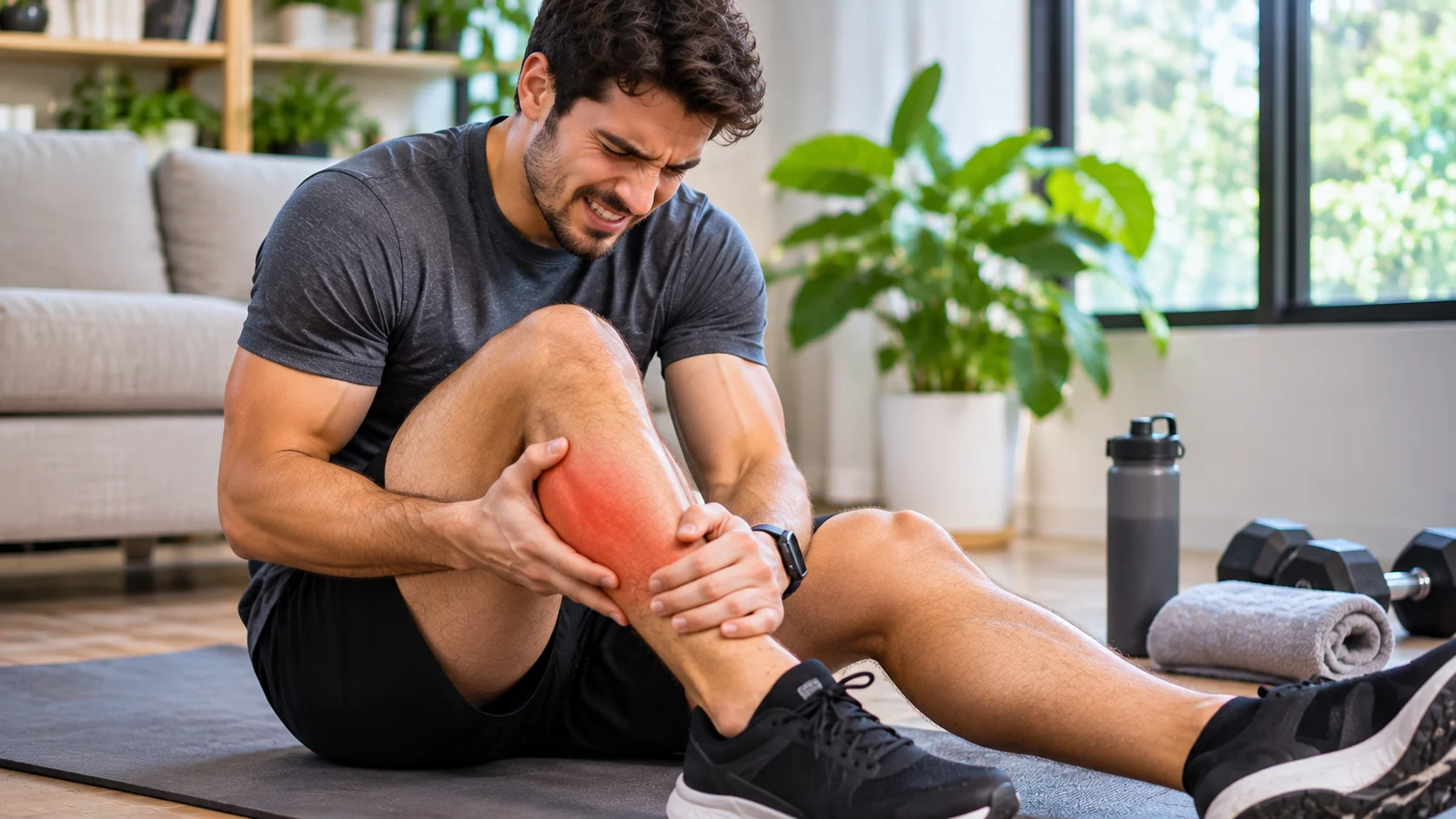
A muscle spasm is a sudden, involuntary contraction of one or more muscles that may cause tightness, discomfort, or pain. It can happen during exercise, while resting, or even when sleeping. Some spasms last only a few seconds, while others continue for several minutes or return repeatedly. Although most muscle spasms are temporary, frequent or severe episodes may indicate an underlying problem that needs attention.
Muscle spasms can affect different parts of the body, including the legs, back, neck, feet, and hands. Common triggers include muscle fatigue, prolonged positioning, certain medications, and problems affecting nerves or mineral balance. Understanding what causes these contractions can help you recognize possible warning signs and choose appropriate relief methods. This guide explains muscle spasm symptoms, causes, treatment options, and prevention strategies.
What Is a Muscle Spasm?
A muscle spasm occurs when muscle fibers contract involuntarily instead of relaxing normally. The contraction may affect a small section of muscle or a larger muscle group. Some spasms feel like sudden tightening, while others cause noticeable pain or restricted movement. The sensation depends on which muscles are involved and how forcefully they contract.
Muscles usually contract and relax through coordinated signals from the nervous system. These signals allow your body to perform everyday activities such as walking, lifting objects, and maintaining posture. When muscle activity becomes involuntary, the affected area may tighten unexpectedly. In some cases, the contraction can be strong enough to interrupt movement temporarily.
The terms muscle spasm and muscle cramp are often used interchangeably, although their meanings can differ. A muscle cramp usually describes a sudden, painful, sustained contraction, while spasm is a broader term for involuntary muscular activity. Muscle twitching is generally smaller and may not cause pain. Understanding these distinctions can help you describe your symptoms more accurately.
What Does a Muscle Spasm Feel Like?
A muscle spasm may feel like a sudden tightening, pulling sensation, or painful knot beneath your skin. Some people describe it as the muscle becoming hard or difficult to move. The discomfort may range from mild tension to intense cramping that interrupts normal activities. Symptoms can appear unexpectedly and sometimes disappear just as quickly.
During a stronger contraction, you may notice a visible change in the muscle’s shape. The affected area might feel firm when touched, particularly during a painful cramp. Movement can temporarily become uncomfortable because the muscle remains contracted. After the episode ends, mild tenderness may continue for a short period.
Not every involuntary muscle movement causes significant discomfort. Small muscle twitches may feel like fluttering beneath the skin without affecting your ability to move. In contrast, painful spasms can make walking, stretching, or changing positions difficult. Recording the location, duration, and frequency of episodes may help a healthcare professional evaluate recurring symptoms.
Common Causes of Muscle Spasms
Muscle spasms can develop for several reasons, and the exact cause is not always identifiable. Common contributing factors include muscle fatigue, prolonged physical activity, and maintaining uncomfortable positions for extended periods. Some people experience spasms after changing their exercise routine or performing unfamiliar movements. However, a spasm does not automatically indicate that a muscle has been injured.
Dehydration and certain electrolyte disturbances can contribute to muscle contractions in some circumstances. Minerals such as sodium, potassium, calcium, and magnesium help support normal nerve and muscle function. Significant changes in their levels may affect muscle activity. Nevertheless, ordinary exercise-related cramps are not always caused by dehydration or a mineral deficiency.
Other possible causes include nerve irritation, medication side effects, and certain medical conditions. Some medicines, including particular diuretics, may influence fluid or electrolyte balance. Reduced blood flow can also produce exercise-related muscle pain that may resemble cramping. Persistent symptoms deserve evaluation because different conditions may require different approaches to treatment.
Muscle Spasms After Exercise or Physical Activity
Exercise-related muscle cramps can occur during physical activity or shortly afterward. They commonly affect muscles that have been working intensely, such as the calves, hamstrings, or feet. Sudden increases in exercise intensity, duration, or unfamiliar movements may increase the likelihood of cramping. Muscular fatigue and changes in nerve-muscle control are thought to contribute.
Athletes sometimes develop painful contractions during prolonged running, cycling, or other demanding activities. However, muscle spasms are not limited to competitive sports. Everyday activities involving repeated lifting, climbing, or sustained muscular effort may also trigger symptoms. Individual fitness levels, exercise conditions, and previous cramping experiences can influence how often episodes occur.
If a muscle cramps during exercise, stop the activity and allow the affected area to relax. Gentle stretching or comfortable movement may help the contraction settle. Avoid forcing the muscle through severe pain or immediately returning to strenuous activity. Gradually increasing training demands and allowing adequate recovery may help reduce recurring exercise-related cramps.
Dehydration and Electrolyte Imbalances
Fluids and electrolytes support essential processes involved in muscle contraction and nerve signaling. When the body loses substantial amounts of fluid or minerals, normal muscular function may be affected. Heavy sweating, vomiting, diarrhea, and certain medications can contribute to these changes. However, not every episode of muscle cramping is evidence of dehydration.
Sodium, potassium, calcium, and magnesium all have important roles in maintaining normal physiological function. Significant deficiencies or imbalances may produce symptoms such as weakness, cramping, or abnormal muscle activity. These disturbances can arise from medical conditions as well as fluid losses. Blood tests may be necessary when a healthcare professional suspects an electrolyte-related problem.
Maintaining regular fluid intake and eating a varied diet supports overall health and normal muscle function. During prolonged activity in hot conditions, additional fluid and electrolyte replacement may be appropriate. Avoid taking large amounts of mineral supplements without medical advice because excessive intake can be harmful. The appropriate approach depends on your activity level, health, and circumstances.
Muscle Spasms in the Back and Lower Back
Back muscle spasms can cause sudden tightness, discomfort, or difficulty changing positions. They may develop after lifting, twisting, or performing unfamiliar physical activities. Sometimes, spasms occur alongside strains affecting muscles and other surrounding tissues. However, the presence of a back spasm does not identify the exact structure responsible for the discomfort.
Lower back spasms may feel worse when bending, standing upright, or turning in bed. The surrounding muscles can become guarded, making ordinary movement feel restricted. Although symptoms may be intense, many episodes improve with appropriate self-care and gradual return to comfortable activity. Pain severity alone does not always indicate the seriousness of an underlying condition.
Gentle movement, comfortable positioning, and temporary activity modification may help manage uncomplicated back spasms. Heat can provide short-term comfort for some people, especially when stiffness is present. Avoid prolonged bed rest unless specifically advised by a healthcare professional. Seek urgent assessment if back pain occurs with new bladder or bowel control problems, significant weakness, or numbness around the groin.
Leg and Calf Muscle Spasms
Leg muscle spasms frequently involve the calf muscles, although the thighs and feet can also be affected. A calf cramp may cause sudden pain and make it difficult to place your foot comfortably on the ground. The affected muscle may feel unusually firm during the contraction. Episodes can occur during exercise, rest, or sleep.
Calf cramps may be associated with muscle fatigue, certain medications, pregnancy, or other health-related factors. Sometimes, repeated cramping occurs without an identifiable cause. Pain that consistently develops during walking and improves with rest may also suggest a circulation problem. Because these conditions differ, recurring symptoms should not automatically be attributed to exercise or dehydration.
For a typical calf cramp, gently straightening the knee and bringing the toes toward the shin may help. Stop if stretching increases discomfort or feels unsafe. Light massage or comfortable walking afterward may also provide relief. Seek urgent care if one leg becomes significantly swollen, warm, or red, especially when the symptoms are new.
Neck and Shoulder Muscle Spasms
Muscle spasms around the neck and shoulders can cause tightness, stiffness, and difficulty turning your head. They may occur after prolonged sitting, awkward sleeping positions, or unfamiliar physical activity. Stress can also contribute to increased muscle tension in some individuals. However, neck discomfort has several possible causes beyond simple muscular tightness.
A neck spasm may create a pulling sensation when you attempt to look sideways or downward. Shoulder muscles can also feel tender during everyday movements such as reaching or carrying objects. Some people experience associated tension headaches. The severity and duration of symptoms vary depending on the underlying cause and affected structures.
Gentle neck movements within a comfortable range may help reduce stiffness. Applying mild heat can also provide temporary relief for some people. Avoid forceful stretching, sudden neck manipulation, or repeated movements that increase pain. Medical assessment is important when neck symptoms follow significant trauma or occur with fever, severe headache, weakness, or neurological changes.
Muscle Spasms During Sleep
Nighttime muscle cramps commonly affect the calves and feet and can interrupt sleep unexpectedly. These contractions may cause sudden pain that makes it difficult to remain comfortable in bed. Some people experience occasional episodes, while others have recurring cramps. Although nighttime cramps become more common with age, they can affect younger individuals as well.
The exact cause of nocturnal leg cramps is often unclear. Possible contributing factors include certain medications, medical conditions, and changes in nerve or muscle function. Prolonged positioning may play a role in some cases. However, nighttime cramping is not necessarily caused by dehydration or poor sleeping posture.
If a cramp develops during sleep, gently stretching the affected muscle may help it relax. Standing or walking carefully can sometimes provide additional relief. People with recurring episodes may benefit from reviewing medications, activity patterns, and underlying health conditions with a clinician. Frequent cramps that significantly disturb sleep deserve appropriate medical assessment.
Muscle Spasms vs. Muscle Twitches
Muscle spasms and muscle twitches both involve involuntary muscle activity, but their sensations can differ. A spasm may involve a larger contraction that causes tightness or pain. A twitch often affects a smaller group of muscle fibers and produces a brief fluttering sensation. Twitching may occur without any noticeable change in joint movement.
Small twitches are sometimes associated with fatigue, stress, caffeine intake, or physical activity. They can occur around the eyelids, legs, arms, and other areas. Many occasional twitches are harmless and resolve without treatment. However, persistent twitching accompanied by weakness or muscle wasting requires medical evaluation.
A painful muscle cramp usually involves a more sustained contraction than an ordinary twitch. Recognizing this difference can help you explain your symptoms clearly during a medical appointment. Note whether the movement is painful, visible, or associated with weakness. These observations may help determine whether further neurological or muscular assessment is necessary.
How to Relieve a Muscle Spasm Quickly
When a muscle spasm occurs, stop the activity that triggered the contraction and move into a comfortable position. Avoid forcing the affected muscle to continue working against significant pain. Gentle stretching may help relieve a typical muscle cramp. The direction and intensity of the stretch should match the affected muscle and your comfort level.
Light massage may also help some people relax the affected area. Applying warmth can provide temporary comfort when muscular tightness continues after the contraction. If the area is sore following an injury, a wrapped cold pack may be more comfortable. Protect your skin from extreme temperatures and avoid applying heat or ice directly.
After the spasm settles, resume movement gradually instead of immediately returning to demanding exercise. Drink fluids normally, particularly if you have been active in hot conditions. Avoid assuming that supplements or medications are necessary for every episode. Repeated or unusually painful spasms should be assessed to identify possible contributing factors.
Medical Treatments for Frequent Muscle Spasms
Treatment for recurring muscle spasms depends on their cause, location, and associated symptoms. A healthcare professional may review your medical history, physical activities, medications, and neurological function. Blood tests or other investigations may be appropriate when an underlying condition is suspected. Many people do not require extensive testing for occasional uncomplicated cramps.
Physical therapy may help when muscle spasms occur alongside movement limitations, weakness, or musculoskeletal problems. A therapist can recommend exercises that improve strength, mobility, and movement tolerance. Treatment may also address activities that repeatedly aggravate symptoms. The effectiveness of specific approaches depends on the condition being treated rather than the presence of spasms alone.
Medication is sometimes considered for selected medical conditions involving persistent or severe muscle contractions. However, muscle relaxants and other prescription treatments can produce side effects and are not appropriate for everyone. They should only be used under professional guidance. Treating an underlying neurological, metabolic, or medication-related problem may be more important than temporarily suppressing the contractions.
Can Stress and Anxiety Cause Muscle Spasms?
Stress and anxiety can influence muscle tension and how people experience physical discomfort. During stressful situations, some muscles may remain contracted for longer periods than usual. This can contribute to sensations of tightness, particularly around the shoulders, neck, and jaw. However, stress does not explain every episode of involuntary muscle contraction.
Changes in breathing patterns during anxiety may also produce physical sensations, including tingling or muscular tightness. Severe overbreathing can temporarily alter carbon dioxide levels and contribute to hand or foot cramping. These symptoms can feel alarming. However, new or unexplained symptoms should not automatically be attributed to anxiety without considering other possible causes.
Comfortable breathing, regular movement, adequate sleep, and relaxation activities may help reduce stress-related muscle tension. Gentle stretching can also provide temporary relief when muscles feel tight. If symptoms repeatedly interfere with daily activities, professional evaluation may be useful. Addressing stress can support well-being while allowing other potential medical causes to be assessed appropriately.
How to Prevent Muscle Spasms
Preventing muscle spasms begins with understanding the situations in which they occur. For exercise-related cramps, gradually increasing activity intensity and allowing adequate recovery may be helpful. Appropriate conditioning can improve your muscles’ tolerance for repeated physical demands. However, no single prevention strategy can completely eliminate every type of muscle cramp.
Regular hydration and balanced nutrition support normal muscular and neurological function. People exercising for prolonged periods in hot environments may need additional attention to fluid replacement. Comfortable stretching may help some individuals with recurring nighttime cramps, although benefits vary. Avoid excessive supplementation unless a deficiency or specific medical need has been identified.
Reviewing medications and managing relevant medical conditions can also be important for people experiencing frequent spasms. Keep track of when symptoms occur, which muscles are affected, and whether other symptoms accompany them. This information may reveal patterns worth discussing with a clinician. A practical prevention plan should address your individual triggers rather than relying on general assumptions.
When Should You See a Doctor for Muscle Spasms?
Occasional muscle spasms that resolve quickly are often not a cause for concern. However, frequent contractions, persistent pain, or symptoms that interfere with normal activities deserve medical evaluation. A clinician can assess potential causes and recommend appropriate management. Spasms that begin after starting a new medication should also be discussed with the prescribing professional.
Seek prompt medical care when muscle spasms occur alongside significant weakness, loss of sensation, or unusual changes in movement. Severe muscle pain with marked swelling or dark urine after intense exercise requires urgent assessment. Fever, confusion, or substantial dehydration symptoms also warrant timely attention. These findings may suggest a condition more serious than an ordinary muscle cramp.
Emergency evaluation is necessary for sudden neurological symptoms such as one-sided weakness, difficulty speaking, or loss of coordination. New bladder or bowel control problems with back pain also require urgent care. A painful, swollen leg accompanied by chest pain or breathlessness may indicate an emergency. Recognizing these warning signs helps distinguish routine muscle discomfort from symptoms needing immediate attention.
Conclusion
A muscle spasm is an involuntary muscle contraction that can cause sudden tightness, discomfort, or pain. Common triggers include muscular fatigue, prolonged activity, certain medications, and medical conditions affecting nerves or electrolyte balance. Although many episodes are temporary, symptoms can vary considerably. Understanding the possible causes helps you respond appropriately rather than assuming every spasm has the same explanation.
Gentle stretching, comfortable movement, and light massage may help relieve uncomplicated muscle cramps. Maintaining appropriate hydration, gradually increasing exercise demands, and allowing recovery can support muscle function. However, prevention and treatment depend on the underlying cause. Persistent spasms or symptoms accompanied by weakness, swelling, or neurological changes require medical assessment.
Most people experience occasional involuntary muscle contractions without developing serious health problems. Nevertheless, frequent or severe episodes should not be ignored, particularly when they affect everyday activities or sleep. Tracking your symptoms can provide useful information for identifying possible triggers. With appropriate care and attention to warning signs, many muscle spasms can be managed effectively.
Frequently Asked Questions
What is the main cause of muscle spasms?
Muscle spasms have several possible causes, including fatigue, prolonged activity, medication effects, and certain medical conditions. Exercise-related cramps often involve muscular fatigue, but the exact cause is not always identifiable.
How long does a muscle spasm last?
Many painful muscle cramps last from several seconds to a few minutes. However, duration varies depending on the cause, and some people experience repeated contractions or lingering soreness afterward.
Can dehydration cause muscle spasms?
Significant dehydration and electrolyte disturbances can contribute to abnormal muscle activity in some circumstances. However, many common exercise-related cramps occur without dehydration, so drinking additional water does not always prevent them.
Is heat or ice better for muscle spasms?
Gentle heat may help relax tight muscles, while a wrapped cold pack can provide comfort when soreness follows an injury. Choose the method that feels appropriate and avoid direct skin exposure.
When are muscle spasms a serious concern?
Muscle spasms need medical attention when they are frequent, severe, or accompanied by weakness, numbness, or unusual swelling. Sudden neurological symptoms or severe muscle pain with dark urine require urgent evaluation.