
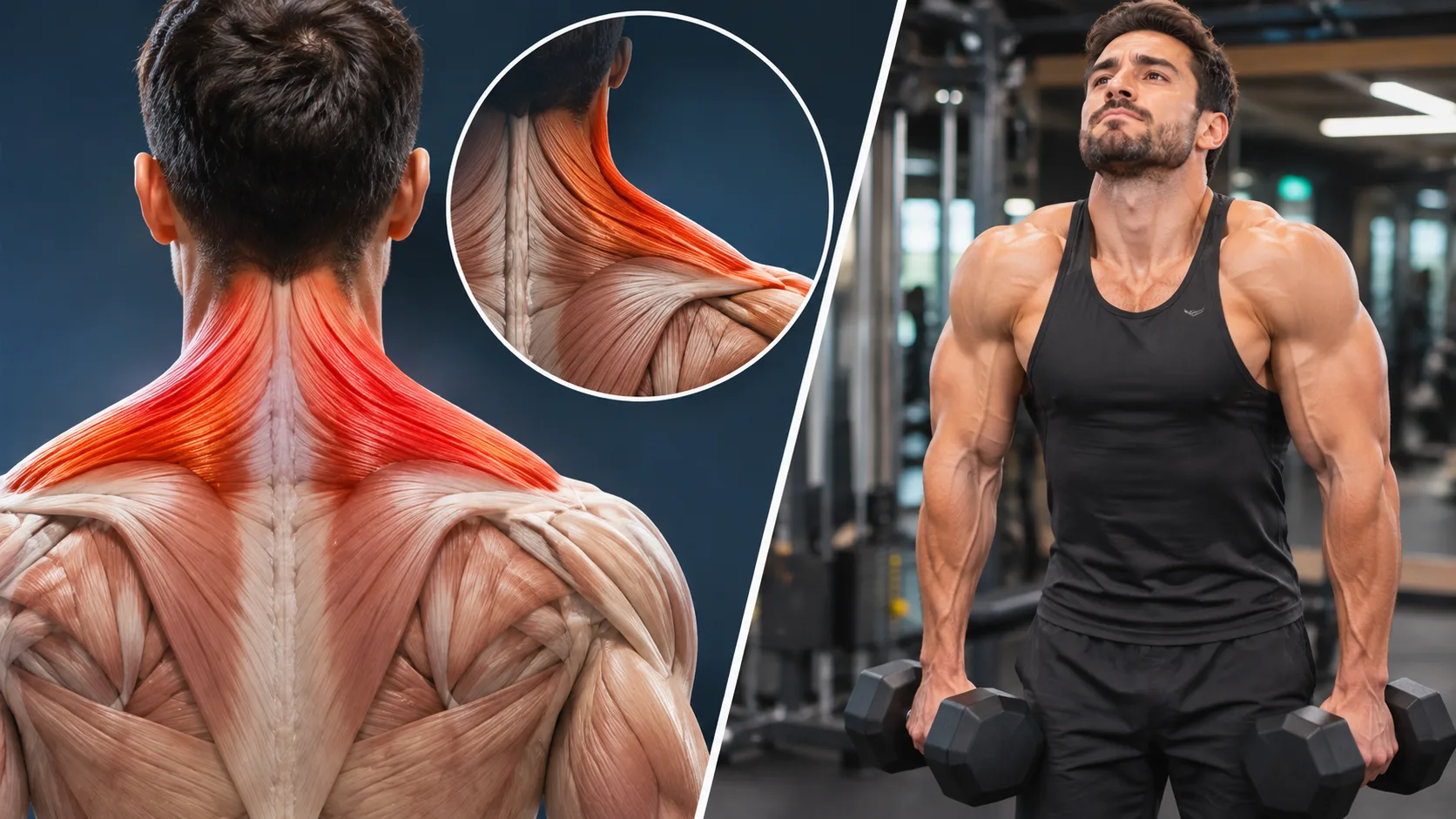
The upper trap, also known as the upper trapezius, is an important muscle region connecting the neck, shoulders, and upper back. It helps control shoulder blade movement, supports neck positioning, and contributes to everyday activities such as lifting and reaching. However, this area can also develop tightness, tenderness, and discomfort. Understanding upper trap anatomy, function, and common problems can help you recognize how this muscle supports movement.
Many people notice upper trapezius discomfort after prolonged desk work, repetitive activities, or unfamiliar exercise. The muscle works alongside several other muscles to stabilize the shoulder girdle and coordinate movements of the head and shoulders. Although tension is common, it does not always mean the muscle is weak or damaged. Identifying the contributing factors is important before choosing exercises or treatment.
Learning about the upper trapezius can help you better understand neck and shoulder movement. This guide explores its location, anatomical attachments, functions, common causes of pain, and practical care strategies. It also explains stretching, strengthening, and rehabilitation considerations. Understanding these details can help you support comfortable movement while recognizing when professional medical assessment may be necessary.
What Is the Upper Trap Muscle?
The upper trap is the upper portion of the trapezius, a large superficial muscle covering parts of the neck, shoulders, and upper back. The trapezius is commonly divided into upper, middle, and lower regions based on fiber direction and function. These regions work together during shoulder blade movement. The upper fibers are particularly important for shoulder elevation and upward rotation.
The upper trapezius contributes to several movements involving the shoulder girdle and cervical spine. It helps raise the shoulder blade and participates in coordinated overhead arm movement. When the shoulder girdle is stabilized, it can also assist certain head and neck movements. Its functions depend on which body structures remain fixed during muscle contraction.
Although people often refer to the upper trap as a separate muscle, it is anatomically part of the larger trapezius. Its fibers have distinct orientations and contribute differently to movement than the middle and lower regions. Understanding this relationship helps explain why balanced shoulder function depends on multiple muscles working together rather than one isolated structure.
Where Is the Upper Trapezius Located?
The upper trapezius extends from the back of the head and upper cervical region toward the outer portion of the collarbone. Its muscle fibers form the sloping area between the neck and shoulders. This region is easy to recognize when someone raises their shoulders. It lies close to several other muscles involved in head and shoulder movement.
The upper fibers originate from structures including the external occipital protuberance, medial portion of the superior nuchal line, and nuchal ligament. They attach primarily to the lateral third of the clavicle. These attachments allow the muscle to influence shoulder girdle positioning. They also explain why upper trapezius activity can affect sensations around the neck and shoulder.
The upper trap is positioned above deeper muscles and connective tissues. Nearby structures include the levator scapulae, cervical muscles, and parts of the shoulder complex. Because several tissues occupy this region, discomfort cannot always be attributed to the trapezius alone. An anatomical understanding helps guide assessment when pain occurs near the upper shoulders.
Upper Trap Anatomy and Muscle Attachments
The trapezius is a broad muscle with fibers extending across the upper back and posterior neck. Its upper portion has a downward and outward fiber direction from the head and neck toward the clavicle. This arrangement supports shoulder elevation and coordinated scapular movement. The middle and lower regions have different fiber orientations and contribute to other aspects of shoulder blade control.
The upper trapezius receives its primary motor nerve supply from the spinal accessory nerve, also called cranial nerve XI. Sensory and proprioceptive contributions are associated with cervical spinal nerves, mainly C3 and C4. This nerve supply is important for normal muscle activation. Neurological problems affecting these pathways can sometimes influence shoulder movement and muscle function.
Blood supply to the trapezius involves branches from nearby cervical vessels, with anatomical variations between individuals. Like other skeletal muscles, its fibers contract in response to signals from the nervous system. These contractions generate forces through tendinous and connective tissue attachments. Understanding the muscle’s anatomy provides a useful foundation for explaining its movement functions.
What Does the Upper Trap Do?
One of the main functions of the upper trapezius is elevating the scapula, commonly called the shoulder blade. This movement occurs when you raise your shoulders toward your ears. The muscle also contributes to upward rotation of the scapula. Upward rotation is important when lifting the arms overhead.
The upper trapezius works with muscles such as the lower trapezius and serratus anterior during shoulder blade rotation. Together, these muscles help position the scapula as the arm moves. Their coordinated activity supports efficient shoulder mechanics. The upper trapezius does not perform every movement independently, making cooperation between surrounding muscles essential.
When the shoulder girdle is stabilized, the upper trapezius can contribute to movements of the head and neck. Depending on the direction and pattern of contraction, it may assist extension, side bending, and rotation. However, other cervical muscles also perform these actions. Normal function depends on coordinated movement rather than constant contraction of one muscle region.
Upper Trapezius and Shoulder Movement
The shoulder joint relies on coordinated movement between the upper arm and shoulder blade. This relationship is often called scapulohumeral rhythm. The upper trapezius contributes to the upward rotation of the scapula as the arm rises. This movement helps position the shoulder socket appropriately during overhead activities.
When reaching toward a high shelf, the upper trapezius works alongside the serratus anterior and lower trapezius. These muscles generate forces that rotate and stabilize the shoulder blade. The exact contribution changes throughout the movement. This coordination allows the shoulder complex to adapt to different arm positions and physical demands.
Shoulder discomfort can sometimes involve altered muscle coordination, but it does not automatically mean the upper trap is overactive or weak. Pain, fatigue, injury, and movement habits may influence muscle activity. A qualified clinician can evaluate shoulder function when symptoms persist. Exercises should address identified limitations rather than assuming that one muscle is responsible for every problem.
Upper Trap vs. Middle and Lower Trapezius
The trapezius contains three commonly described functional regions: upper, middle, and lower. Although these fibers form one muscle, their orientations influence their mechanical roles. The upper trapezius contributes to shoulder elevation and upward rotation. The middle region is strongly associated with scapular retraction, while the lower region contributes to depression and upward rotation.
The middle trapezius helps draw the shoulder blades toward the spine during certain movements. The lower trapezius contributes to scapular control, particularly during overhead activities. However, these functions overlap, and the regions often activate together. Separating them into completely independent muscles can oversimplify how the shoulder complex works.
Balanced training may involve movements that challenge different trapezius regions. Rows, shoulder shrugs, and selected overhead exercises can create different muscular demands. However, no single exercise guarantees perfect isolation of one region. Understanding their shared functions supports a more complete approach to upper-back strength and shoulder movement.
Common Causes of Upper Trap Pain
Upper trap pain can develop from several musculoskeletal and non-musculoskeletal causes. Repetitive activity, unfamiliar exercise, and sustained muscle loading may contribute to discomfort. Some people experience tenderness after carrying heavy objects or performing demanding shoulder movements. However, pain in this region may also originate from nearby joints, nerves, or cervical structures.
Prolonged desk work can sometimes contribute to neck and shoulder discomfort, especially when movement opportunities are limited. Stress, fatigue, and sleep difficulties may also influence muscle tension and pain sensitivity. However, there is no single sitting posture that explains every case. Individual activity tolerance and overall health are important considerations.
Other causes may include cervical spine conditions, shoulder disorders, or injuries affecting surrounding tissues. Persistent pain should not automatically be labeled as a simple muscle knot. Symptoms involving numbness, weakness, or radiating pain may require additional investigation. Accurate assessment helps determine whether treatment should focus on muscle rehabilitation or another underlying problem.
Signs of Upper Trapezius Tightness
Upper trapezius tightness may feel like tension or stiffness between the neck and shoulder. Some people notice discomfort when turning their head or raising an arm. Tenderness may also occur when pressure is applied over the muscle. However, the sensation of tightness does not necessarily indicate that the muscle is physically shortened.
Muscles can feel tight because of fatigue, protective guarding, or increased sensitivity. In some cases, discomfort may be related to surrounding joints or nerves rather than the trapezius itself. Symptoms may become more noticeable after prolonged activity. Understanding these possibilities helps prevent oversimplified explanations of neck and shoulder tension.
If tightness improves with comfortable movement or temporary activity changes, it may be related to manageable musculoskeletal factors. However, persistent stiffness accompanied by progressive pain or neurological symptoms deserves medical assessment. Stretching alone may not resolve every underlying problem. Treatment should reflect the actual cause rather than the sensation of tightness.
Upper Trap Trigger Points and Muscle Knots
Some people describe localized tender areas in the upper trapezius as muscle knots or trigger points. These regions may feel sensitive when pressed and sometimes occur alongside neck or shoulder pain. The term trigger point is commonly used in musculoskeletal care. However, the exact biological explanation and diagnostic reliability remain subjects of scientific discussion.
Tender areas can develop in muscles affected by repetitive activity, stress, or other sources of discomfort. Pressure over these regions may reproduce familiar symptoms. However, finding a sensitive spot does not necessarily identify the original cause of pain. Different muscles, joints, and nerves can contribute to similar sensations.
Gentle massage or other comfort-focused approaches may provide temporary relief for some individuals. However, forceful pressure is not necessary and can aggravate sensitive tissues. Persistent symptoms may benefit from physical therapy or broader medical assessment. Understanding the limitations of trigger point explanations helps encourage appropriate treatment rather than relying exclusively on muscle massage.
How to Stretch the Upper Trapezius
A gentle upper trapezius stretch may help some people temporarily reduce neck and shoulder stiffness. Begin in a comfortable seated or standing position with your shoulders relaxed. Slowly tilt your head toward one shoulder without forcing the movement. You may notice a mild stretching sensation along the opposite side of the neck.
Keep the movement slow and remain within a comfortable range. Avoid pulling forcefully on the head or pushing through sharp pain. Maintain natural breathing and allow your shoulders to stay relaxed. If the stretch causes tingling, dizziness, or increasing discomfort, stop and seek professional guidance before attempting it again.
Stretching may be useful as part of a broader movement routine, but it is not required for everyone. Some people benefit more from strengthening, activity changes, or treatment of another condition. The goal is comfortable mobility rather than achieving an extreme neck position. Gentle movement should not create lasting pain or neurological symptoms.
Upper Trap Strengthening Exercises
Strengthening exercises can help the upper trapezius tolerate physical demands when reduced strength or endurance contributes to functional limitations. Shoulder shrugs are one familiar exercise involving scapular elevation. They can be performed with appropriate resistance and controlled movement. However, exercise selection should reflect individual goals and any existing shoulder or neck symptoms.
During a shoulder shrug, the shoulders move upward in a controlled manner before returning toward their resting position. The movement should remain comfortable without excessive neck extension or unnecessary body swinging. Light resistance may be sufficient when learning technique. Proper control is more important than lifting heavy weights.
Other exercises, including selected overhead movements, can also involve the upper trapezius. However, these activities recruit several surrounding muscles and should not be considered isolated upper trap exercises. Gradual progression helps build strength according to individual ability. A qualified fitness professional or physical therapist can recommend modifications when pain or movement limitations are present.
Upper Trap Exercises for Better Shoulder Control
Shoulder control exercises may help improve coordination between the trapezius, serratus anterior, and other surrounding muscles. Wall slides and certain controlled arm movements are often included in rehabilitation programs. These exercises focus on smooth shoulder blade movement. However, their effectiveness depends on the person’s specific functional needs.
For example, a wall slide involves moving the arms upward along a wall within a comfortable range. The movement should remain controlled without forcing the shoulders into painful positions. A therapist may modify the exercise to address particular movement difficulties. Appropriate technique emphasizes comfortable motion rather than achieving a specific visual posture.
Training shoulder control does not require trying to keep the shoulder blades permanently pulled backward or downward. The scapulae naturally move during everyday activities. Healthy shoulder function involves allowing appropriate movement while maintaining control. Exercises should support this coordination rather than encourage unnecessary muscle tension.
Upper Trap Pain From Desk Work
People who spend long periods working at computers sometimes experience upper back and neck discomfort. Sustained positions, limited movement, and repetitive tasks may contribute to symptoms. However, research does not establish one perfect sitting posture that prevents all pain. Comfort and regular movement changes are often more useful considerations.
Adjusting the workstation may reduce unnecessary reaching or sustained shoulder loading. Position frequently used equipment where it can be accessed comfortably. A chair and desk arrangement that supports natural movement may also help. These changes should reflect the individual rather than rigid rules about exact shoulder or neck angles.
Taking occasional movement breaks can provide relief from prolonged static positions. Standing, walking, or gently moving the shoulders may help some people feel more comfortable. However, recurrent pain may involve factors beyond workstation setup. Professional assessment can help identify additional contributors when simple adjustments do not improve symptoms.
Can Stress Cause Upper Trap Tightness?
Stress can influence muscle tension and how the nervous system processes pain. Some people notice increased discomfort around the neck and shoulders during emotionally demanding periods. This may occur alongside changes in sleep, breathing patterns, and daily activity. However, stress does not explain every case of upper trapezius pain.
When someone anticipates discomfort, they may unconsciously limit movement or increase muscle guarding. These responses can contribute to a sensation of tightness. Stress-related changes may also increase sensitivity to existing musculoskeletal problems. The relationship between emotional stress and physical pain is complex and varies between individuals.
Relaxation techniques, adequate rest, and comfortable movement may support overall well-being. Gentle breathing exercises can sometimes help reduce unnecessary muscle tension. However, persistent or worsening pain should not automatically be attributed to stress. A healthcare professional can evaluate possible physical causes and recommend appropriate care when symptoms interfere with daily activities.
Massage and Heat for Upper Trap Discomfort
Massage may provide temporary relief for some people experiencing upper trapezius tenderness or muscle tension. Gentle pressure and controlled movements can feel soothing, particularly after prolonged activity. However, the benefits may be short-lived and do not necessarily address the underlying cause. Strong pressure is not required for effective symptom management.
Heat therapy is another option that may improve comfort around the neck and upper shoulders. A warm shower or appropriately used heating pad can create a relaxing sensation. Avoid excessive temperatures and prolonged direct skin contact. People with reduced sensation or certain medical conditions should seek advice before using temperature-based treatments.
Massage and heat can be useful supportive measures when symptoms are mild. However, repeated discomfort may require activity modification, rehabilitation, or medical assessment. Avoid relying on temporary relief methods while ignoring progressive symptoms. Long-term management should consider the individual’s movement demands, health conditions, and other contributing factors.
Physical Therapy for Upper Trapezius Pain
Physical therapy may help individuals experiencing persistent upper trapezius discomfort or movement limitations. A therapist can assess neck mobility, shoulder function, muscle strength, and relevant daily activities. Treatment may include exercises, education, and practical adjustments to aggravating tasks. The approach should be individualized rather than based on a standard routine for everyone.
Some programs focus on gradually improving strength and endurance in the neck and shoulder muscles. Others emphasize comfortable movement and reducing fear associated with certain activities. Manual therapy may provide short-term relief in selected cases. However, lasting improvement often involves addressing contributing factors beyond one tender muscle.
Physical therapists can also assess whether symptoms may involve the cervical spine or surrounding nerves. Additional medical evaluation may be necessary when neurological signs are present. Rehabilitation should be adjusted according to symptom response and functional goals. Appropriate guidance can help people return to normal activities without unnecessary restrictions.
How to Prevent Recurring Upper Trap Discomfort
Preventing every episode of upper trapezius discomfort is not possible, but several habits may support comfortable movement. Regular physical activity can improve general muscle conditioning and movement tolerance. Gradual increases in exercise intensity may reduce sudden overload. Avoiding extended periods without movement can also help some people manage stiffness.
Strengthening exercises for the back, shoulders, and neck may support physical function when performed appropriately. However, the upper trapezius does not need to remain relaxed at all times. It naturally activates during many everyday activities. The goal is balanced movement and adequate recovery rather than preventing normal muscle contraction.
Recognizing personal triggers may also help reduce recurring discomfort. If certain tasks repeatedly cause symptoms, consider adjusting workload, equipment, or movement frequency. Adequate sleep and general stress management may support overall comfort. Persistent pain should be assessed rather than repeatedly treated as ordinary muscle tension.
When to Seek Medical Attention for Upper Trap Pain
Medical assessment is appropriate when upper trapezius pain persists, repeatedly returns, or interferes with daily activities. Pain following significant injury should also be evaluated. A clinician can examine the neck, shoulders, and nearby structures to identify possible causes. This is important because discomfort in the upper trapezius region may originate elsewhere.
Seek prompt medical attention if pain occurs with increasing arm weakness, persistent numbness, or unusual neurological symptoms. Fever, severe neck stiffness, or significant unexplained illness may also require urgent evaluation. These symptoms should not automatically be attributed to muscle strain. Early assessment can help identify conditions requiring different treatment.
Emergency care is necessary when upper back or shoulder pain occurs alongside chest pressure, breathing difficulty, fainting, or sudden severe neurological changes. These symptoms may indicate a serious medical problem unrelated to the trapezius. Significant trauma with severe neck pain also requires urgent evaluation. Recognizing warning signs helps prevent delays in appropriate care.
Conclusion
The upper trap is an important part of the trapezius muscle that connects the neck and shoulder region. It contributes to shoulder elevation, scapular upward rotation, and certain head and neck movements. Its coordinated activity supports lifting, reaching, and normal upper-body function. Understanding its anatomy helps explain why the muscle is involved in many everyday activities.
Upper trapezius discomfort can develop from muscle strain, sustained activity, stress-related tension, or problems involving nearby structures. Gentle movement, appropriate exercise, and temporary comfort measures may help selected cases. However, stretching or massage alone does not resolve every underlying cause. Persistent symptoms require an individualized assessment and suitable management plan.
Maintaining comfortable neck and shoulder function involves balanced activity, appropriate recovery, and attention to recurring symptoms. Strengthening and mobility exercises may support long-term movement when they match individual needs. Avoid forcing painful positions or ignoring neurological warning signs. With accurate information and appropriate care, the upper trapezius can remain an effective part of normal shoulder and neck movement.
Frequently Asked Questions (FAQs)
What is the main function of the upper trap?
The upper trapezius helps elevate and upwardly rotate the shoulder blade. It also contributes to certain neck movements when the shoulder girdle is stabilized, working with surrounding muscles to support coordinated movement.
Where is the upper trap muscle located?
The upper trapezius extends from the back of the head and upper neck toward the outer collarbone. It forms the sloping muscular area between the neck and shoulders.
Why does my upper trap feel tight?
Upper trap tightness may be associated with sustained activity, muscle guarding, fatigue, or increased pain sensitivity. However, discomfort can also originate from nearby joints or nerves, especially when symptoms persist.
What exercises strengthen the upper trapezius?
Shoulder shrugs and selected overhead movements can strengthen the upper trapezius. However, exercises should be performed with controlled technique and appropriate resistance, particularly when existing neck or shoulder pain is present.
Can upper trap pain cause headaches?
Upper trapezius discomfort can occur alongside certain tension-type or neck-related headaches. However, headaches have many possible causes, and persistent or unusual symptoms should be evaluated by a healthcare professional.