
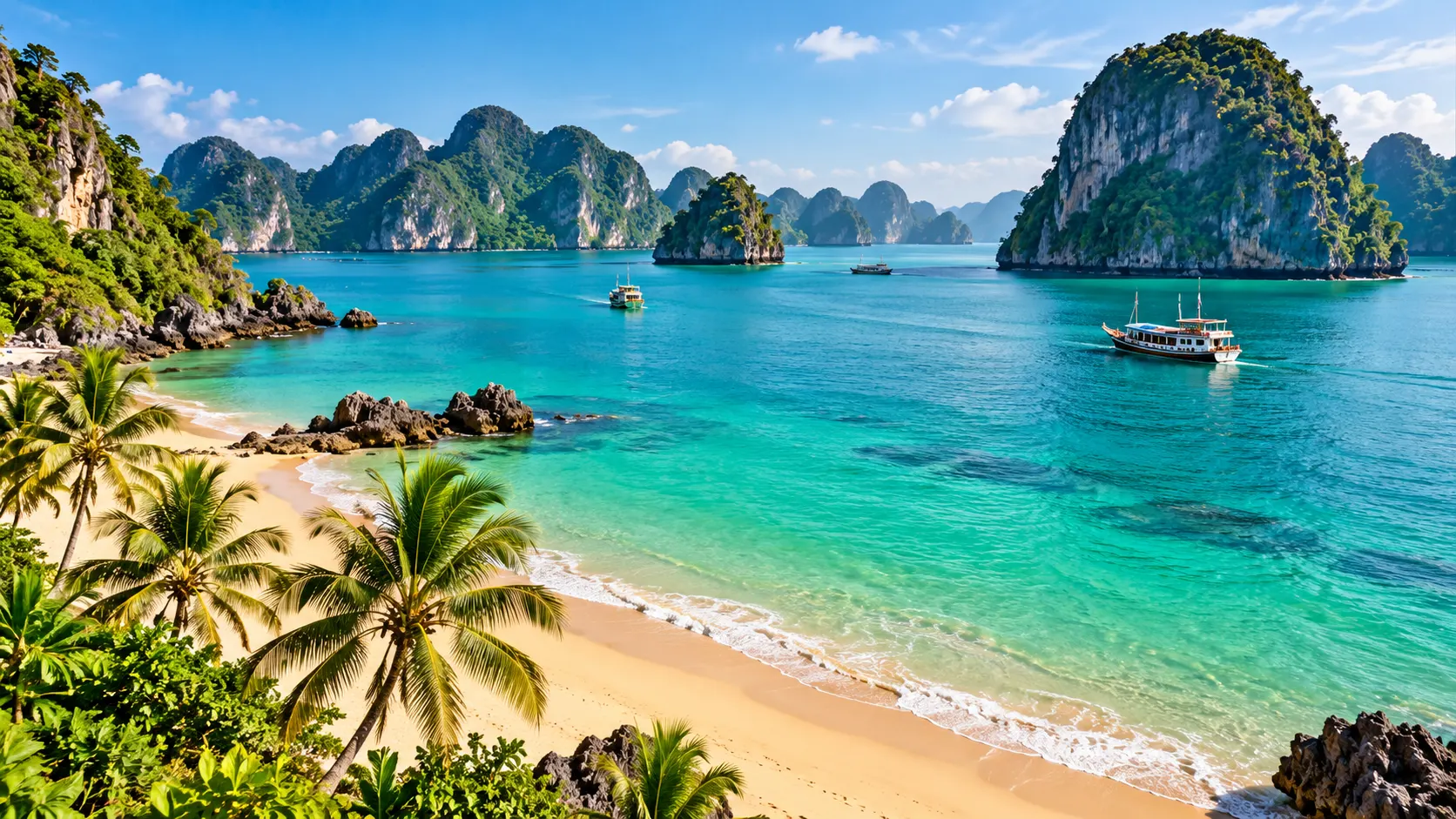
Vietnam is one of Southeast Asia’s most beautiful coastal destinations, famous for its golden sandy beaches, turquoise waters, tropical islands, and breathtaking seaside landscapes. With thousands of kilometers of coastline stretching from northern Vietnam to the southern islands, the country offers remarkable beach experiences. Whether you prefer peaceful tropical escapes, lively resort towns, or picturesque fishing villages, Vietnam has something special for every traveler.
The best Vietnam beaches include My Khe Beach in Da Nang, Sao Beach in Phu Quoc, Nha Trang Beach, An Bang Beach near Hoi An, and the beautiful coastlines of Con Dao. Each destination offers distinctive scenery, local culture, and opportunities for relaxation. Travelers can explore quiet sandy bays, admire coastal mountains, and discover charming waterfront communities.
This Vietnam beaches travel guide highlights the country’s most beautiful coastal spots, popular island destinations, and hidden seaside attractions. You will discover where to enjoy scenic views, explore coastal towns, and plan memorable beach vacations. The guide also covers the best time to visit different regions, accommodation considerations, and practical travel tips.
1. My Khe Beach, Da Nang: A Beautiful City Beach
My Khe Beach is one of the most famous beaches in Vietnam, located along the eastern coastline of Da Nang. Its long stretch of golden sand, clear coastal views, and convenient location make it popular among domestic and international travelers. The beach combines natural beauty with the facilities of a modern coastal city.
Visitors can enjoy relaxing walks along the shoreline while admiring views of the East Sea. The surrounding area features restaurants, hotels, cafés, and public facilities. My Khe is particularly attractive during early mornings, when the beachfront feels relatively peaceful. The wide coastline also provides excellent opportunities for scenic photography.
The best time to visit My Khe Beach is generally from March through August, when conditions are often favorable for coastal activities. However, sea conditions can vary, particularly during seasonal weather changes. Travelers should follow local swimming flags and lifeguard instructions. Its proximity to central Da Nang makes it convenient for combining beach relaxation with city sightseeing.
2. Sao Beach, Phu Quoc: White Sand and Turquoise Water
Sao Beach, also called Bai Sao, is one of Phu Quoc Island’s most beautiful coastal destinations. Located along the southeastern part of the island, it is known for its pale sandy shoreline and attractive turquoise water. The surrounding tropical scenery creates a peaceful environment for visitors seeking a relaxing island experience.
The beach features gentle coastal landscapes, palm trees, and beautiful views across the Gulf of Thailand. Visitors can enjoy photography, relaxing beside the sea, and exploring nearby dining areas. Some sections contain commercial facilities, while others offer a quieter atmosphere. The beach’s appearance and cleanliness can vary according to weather and local conditions.
Phu Quoc’s dry season, generally from November through April, is often the most suitable period for beach holidays. However, wind direction can influence conditions on different sides of the island. Travelers should check daily sea conditions before swimming. Sao Beach is an excellent destination for visitors interested in tropical island scenery.
3. Nha Trang Beach: Vietnam’s Famous Coastal Destination
Nha Trang Beach is one of Vietnam’s most recognizable urban beaches, famous for its long sandy shoreline and attractive coastal setting. Located in Khanh Hoa Province, the beach stretches alongside a developed seaside city. The combination of hotels, restaurants, and natural scenery makes it a popular destination for visitors.
The beachfront promenade offers opportunities for walking, sightseeing, and enjoying views of the surrounding bay. Palm-lined public spaces and nearby cafés contribute to the relaxed atmosphere. Travelers can explore coastal viewpoints while appreciating the city’s modern skyline. The beach also provides convenient access to other attractions around Nha Trang.
The best time to visit Nha Trang is generally from February through August, although conditions vary between months. The coastal region experiences wetter weather later in the year, which may affect outdoor plans. Visitors should choose designated swimming areas and follow local safety guidance. Nha Trang is particularly attractive for travelers seeking a beach vacation with urban conveniences.
4. An Bang Beach, Hoi An: A Relaxing Coastal Escape
An Bang Beach is one of central Vietnam’s most charming coastal destinations, located near the historic town of Hoi An. Its sandy shoreline and relaxed atmosphere make it popular among travelers interested in combining cultural sightseeing with beach relaxation. The surrounding area features restaurants, accommodation, and attractive seaside views.
Visitors can spend time enjoying the beach while appreciating the coastal landscape. Small restaurants and cafés provide opportunities to try local seafood and Vietnamese dishes. The atmosphere is generally more relaxed than many large urban beach destinations. Its proximity to Hoi An allows travelers to explore traditional streets and historical attractions during the same trip.
March through August is generally a favorable period for visiting An Bang Beach. Central Vietnam’s wetter months can bring rough seas and heavy rainfall, particularly during autumn. Travelers should check weather forecasts and local swimming conditions. Combining An Bang Beach with Hoi An’s historic center creates a memorable coastal and cultural experience.
5. Long Beach, Phu Quoc: Beautiful Sunset Views
Long Beach, commonly known as Bai Truong, is one of Phu Quoc’s most popular coastal areas. Stretching along the island’s western shoreline, it features sandy beaches, resort developments, and beautiful views across the Gulf of Thailand. The area is particularly famous for its picturesque sunsets and convenient visitor facilities.
Travelers can explore different sections of the coastline, including established resort areas and public access points. The surrounding district contains hotels, restaurants, and cafés suited to different budgets. Evening walks can be especially enjoyable when the setting sun creates warm colors across the water. The beach’s long coastline offers several distinct environments.
November through April is generally the best period for visiting the western beaches of Phu Quoc. During the wetter months, heavy rainfall and rougher seas can affect coastal activities. Visitors should choose accessible beach sections and respect private property boundaries. Long Beach is particularly appealing to travelers who enjoy relaxing island sunsets.
6. Bai Dai Beach, Cam Ranh: Spacious Sandy Shores
Bai Dai Beach is a beautiful coastal destination near Cam Ranh, south of Nha Trang. The name means Long Beach in Vietnamese, reflecting the area’s extensive sandy shoreline. Its broad coastal scenery and attractive water make it popular among travelers seeking a more spacious beach environment.
The surrounding region contains a growing selection of hotels and resorts, especially near the Cam Ranh peninsula. Visitors can admire beautiful sea views and enjoy relaxing walks along permitted beach areas. Some sections are developed, while others have fewer facilities. The landscape provides an appealing alternative to the busier beachfront of central Nha Trang.
The weather is generally most favorable from spring through summer, although local conditions vary. Travelers should check public access arrangements because certain coastal sections are connected to resort properties. Sea conditions should also be considered before swimming. Bai Dai is a suitable destination for visitors who prefer a quieter coastal atmosphere.
7. Ky Co Beach, Quy Nhon: Turquoise Bays and Rocky Landscapes
Ky Co Beach is one of the most picturesque coastal attractions near Quy Nhon in central Vietnam. Known for its turquoise water, pale sand, and surrounding rocky formations, it offers beautiful natural scenery. The coastal landscape makes it a popular destination for sightseeing and photography.
Visitors can admire the beach from designated viewing areas and explore permitted sections of the shoreline. The surrounding cliffs and rock formations create an attractive contrast with the blue water. Authorized boat services may provide access during suitable weather conditions. The location is especially appealing for travelers interested in scenic coastal landscapes.
March through September often provides favorable weather for exploring Quy Nhon’s coastline. However, boat journeys and beach access depend on waves, wind, and local operating arrangements. Travelers should select reputable operators and follow posted safety guidance. Ky Co Beach is an excellent option for visitors seeking beautiful scenery beyond Vietnam’s major resort cities.
8. Bai Xep Beach, Quy Nhon: A Peaceful Fishing Village
Bai Xep is a small coastal destination located south of Quy Nhon, known for its traditional fishing village atmosphere and picturesque beach. Unlike some highly developed resort areas, the village retains a quieter character. Its combination of sandy shoreline, rocky coastal features, and local community life creates a distinctive travel experience.
Visitors can explore designated village pathways while admiring the surrounding landscape. Small guesthouses and restaurants may offer opportunities to experience local hospitality and regional cuisine. The beach provides attractive views of the coastline and surrounding hills. Travelers interested in photography often appreciate the village’s traditional coastal setting.
Bai Xep is particularly appealing during the relatively dry months when coastal sightseeing is more comfortable. Facilities are generally more limited than those in larger cities, so planning ahead is useful. Visitors should respect residents’ privacy and local customs. Spending time here provides a different perspective on Vietnam’s coastal communities.
9. Con Dao Beaches: Tropical Nature and Quiet Shores
Con Dao is an island group off southern Vietnam, famous for its protected natural landscapes, beautiful beaches, and important historical sites. The islands contain forested hills, scenic bays, and relatively undeveloped coastal areas. Their peaceful atmosphere attracts travelers interested in nature and quieter island experiences.
Dam Trau Beach is one of Con Dao’s most recognizable coastal attractions, featuring golden sand and surrounding green hills. Other beaches are located within protected areas where access may be regulated. Visitors can admire beautiful landscapes while learning about the islands’ environmental significance. Wildlife conservation is an important part of the region’s identity.
Travel conditions vary throughout the year because wind direction and seasonal weather influence different parts of Con Dao. Some beaches may be sheltered during one season and exposed during another. Travelers should check ferry, flight, and park access arrangements before departure. Responsible sightseeing helps protect the islands’ sensitive coastal ecosystems.
10. Mui Ne Beach: Coastal Scenery and Sand Dunes
Mui Ne is a popular coastal destination in southern Vietnam, located near Phan Thiet. The area is known for its long shoreline, fishing communities, and unusual nearby sand dune landscapes. Its combination of beach scenery and desert-like formations creates a distinctive travel experience.
Visitors can explore coastal viewpoints and discover local fishing villages along the shoreline. The nearby Red Sand Dunes and White Sand Dunes are important regional attractions. The landscape offers opportunities for photography and relaxed sightseeing. Some sections of the coast are particularly windy, influencing how visitors experience the beach.
November through April is generally a popular period for visiting Mui Ne, with relatively dry conditions. Strong winds and waves can make certain beaches unsuitable for swimming at times. Travelers should follow local warnings and choose appropriate coastal activities. Mui Ne is ideal for visitors who want to combine beach scenery with unusual natural landscapes.
11. Doc Let Beach: A Quiet Destination Near Nha Trang
Doc Let Beach is a beautiful coastal area located north of Nha Trang in Khanh Hoa Province. It is known for its pale sand, relatively shallow-looking coastal scenery, and quieter surroundings compared with the busy central city beach. The destination attracts travelers seeking a slower-paced seaside experience.
Visitors can relax along the beach and explore nearby coastal businesses and local dining areas. Certain sections provide resort facilities, while others are less developed. The long sandy shoreline creates attractive views across the water. Its setting can be particularly appealing to families who prefer less crowded destinations.
The best period for visiting is generally during the drier months of the south-central coast. However, shallow water does not automatically mean that swimming conditions are safe. Visitors should follow local guidance and remain aware of currents and changing weather. Doc Let Beach provides a refreshing alternative to Nha Trang’s busiest tourist areas.
12. Lang Co Beach: Mountains Meet the Sea
Lang Co Beach is one of central Vietnam’s most scenic coastal destinations, located near the famous Hai Van Pass. The area is known for its long sandy shoreline, surrounding green mountains, and beautiful lagoon landscapes. Its combination of coastal and mountain scenery makes it particularly attractive for sightseeing.
Travelers can admire panoramic views of the beach from suitable viewpoints around the surrounding roads. The nearby Lap An Lagoon adds another distinctive feature to the landscape. Visitors can explore local restaurants and appreciate traditional coastal scenery. Lang Co also serves as a convenient stop when traveling between Hue and Da Nang.
The most comfortable period for coastal sightseeing is generally from April through August. During the wetter months, heavy rain and strong winds may affect the region. Travelers should check weather and road conditions when exploring nearby mountain routes. Lang Co is especially appealing to visitors interested in scenic landscapes rather than busy resort entertainment.
13. Cat Co Beaches, Cat Ba Island: Northern Coastal Beauty
Cat Ba Island is one of northern Vietnam’s most attractive island destinations, located near the famous limestone landscapes of Lan Ha Bay. Its coastal scenery features rocky cliffs, green hills, and beautiful bays. The island provides opportunities to combine seaside relaxation with natural sightseeing.
The Cat Co beach areas are among the island’s best-known coastal attractions. Visitors can admire the surrounding rocky landscape and enjoy views across the water. Nearby Cat Ba town provides restaurants, accommodation, and transportation services. The island is also associated with protected natural habitats and scenic coastal environments.
May through September is generally the warmest period for enjoying northern Vietnam’s beaches. However, summer rainfall and tropical storms can disrupt transportation and coastal activities. Winter tends to be cooler and less suitable for traditional beach vacations. Travelers should review ferry and boat schedules before arranging an island visit.
14. Ho Tram Beach: A Coastal Escape Near Ho Chi Minh City
Ho Tram is a popular beach destination in southern Vietnam, located within traveling distance of Ho Chi Minh City. The coastal area features sandy beaches, forested surroundings, and a range of accommodation options. It attracts visitors interested in a relaxing seaside break away from the busy city environment.
The shoreline provides opportunities for coastal walks, photography, and relaxation. Several resort properties are located along the surrounding coast, while selected public areas offer access to the beach. Nearby communities provide additional dining and sightseeing experiences. Its convenient location makes Ho Tram suitable for short coastal getaways.
November through April is generally a favorable period because southern Vietnam experiences relatively dry weather. Weekend demand may increase because of visitors traveling from Ho Chi Minh City. Travelers should check access arrangements and sea conditions before swimming. Ho Tram offers a convenient option for those exploring southern Vietnam.
15. Cua Dai Beach, Hoi An: Scenic Coastal Views
Cua Dai Beach is located near the historic town of Hoi An in central Vietnam. It has long been known for its coastal scenery and proximity to one of the country’s most popular cultural destinations. The area provides views of the sea and surrounding coastline. However, parts of the shoreline have experienced significant erosion over time.
Visitors should check current beach access and conditions because erosion-control work and seasonal changes may affect different sections. Some areas may have limited recreational space compared with earlier years. The surrounding district contains accommodation and dining facilities. Travelers can still enjoy coastal scenery where suitable access remains available.
The drier months from approximately March through August are generally more suitable for visiting this region. During autumn, storms and heavy rainfall can affect the coastline. Nearby An Bang Beach provides another option for travelers seeking a beach experience. Combining the coast with Hoi An’s historic attractions makes this region especially worthwhile.
Best Time to Visit Vietnam Beaches
The best time to visit Vietnam’s beaches depends on the region because the country experiences different seasonal weather patterns. Central coastal destinations such as Da Nang and Hoi An are generally most attractive from spring through summer. Southern islands such as Phu Quoc often experience favorable conditions between November and April.
Northern beaches around Cat Ba and Ha Long Bay are usually more appealing during warmer months, particularly from May through September. However, summer can also bring heavy rainfall and tropical storms. Meanwhile, parts of central Vietnam experience their wettest conditions during autumn. This variation makes regional planning especially important.
There is no single month that guarantees ideal beach weather across the entire country. Travelers should select destinations according to seasonal conditions and personal preferences. Checking regional forecasts before departure helps avoid unnecessary disruptions. Choosing the appropriate coastline for your travel dates can significantly improve the vacation experience.
Best Vietnam Beaches for Families and Relaxation
Families looking for comfortable beach destinations may appreciate areas with established accommodation, restaurants, and visitor facilities. My Khe Beach, An Bang Beach, and selected sections of Phu Quoc offer convenient tourism infrastructure. These destinations allow visitors to combine coastal relaxation with nearby sightseeing attractions.
Travelers seeking quieter surroundings may prefer Bai Xep, Doc Let, or selected beaches around Con Dao. However, remote beaches can have fewer lifeguards and limited medical or transportation services. Families should consider accessibility and available facilities before choosing accommodation. A peaceful location is not always the most practical option for every traveler.
Beach conditions can change daily, regardless of how calm the water appears. Swimming should take place only where local safety guidance indicates suitable conditions. Travelers with children should choose appropriate supervised beach areas. Selecting destinations with reliable facilities helps create a more comfortable family vacation.
How to Plan a Vietnam Beach Holiday on a Budget
Vietnam offers beach destinations suitable for different travel budgets, from affordable guesthouses to luxury coastal resorts. Accommodation prices vary according to location, season, and visitor demand. Popular destinations such as Da Nang and Nha Trang often provide a broad range of lodging options. Smaller coastal towns may offer simpler but attractive alternatives.
Travelers can manage expenses by comparing accommodation in different neighborhoods and booking transportation in advance. Local restaurants and markets may provide affordable dining opportunities. Public transportation is available in many urban areas, although remote beaches may require additional travel arrangements. Understanding these costs helps create a realistic budget.
Traveling during shoulder-season months may sometimes provide better accommodation rates. However, choosing the cheapest dates without considering weather can lead to unexpected disruptions. Compare seasonal conditions, transport availability, and overall expenses before confirming reservations. A balanced approach helps visitors enjoy Vietnam’s coastline without unnecessary costs.
Essential Travel Tips for Exploring Vietnam Beaches
Planning a beach holiday in Vietnam begins with choosing the right destination for your travel dates. The coastline extends across several climate regions, so weather conditions differ significantly. Travelers should review local forecasts and understand seasonal transportation arrangements. This is especially important when visiting islands that depend on ferries or small passenger boats.
Lightweight clothing, comfortable footwear, and sun protection are useful for most coastal destinations. Visitors should also respect local communities and protected natural environments. Avoid leaving litter on beaches or disturbing marine habitats. Responsible tourism helps preserve the coastal landscapes that make Vietnam such an attractive destination.
Before traveling, confirm passport validity, applicable visa requirements, accommodation reservations, and transportation schedules. Travelers should also check current beach access information, particularly where erosion or seasonal storms may affect conditions. Avoid entering the sea when warning flags indicate dangerous conditions. Careful preparation helps create a safer and more enjoyable beach vacation.
Conclusion
Vietnam is an extraordinary coastal destination offering beautiful sandy beaches, tropical islands, picturesque fishing villages, and remarkable seaside landscapes. Famous destinations such as My Khe Beach, Nha Trang, and Phu Quoc provide convenient tourism facilities. Quieter locations including Bai Xep, Doc Let, and Con Dao offer different experiences. Each coastal region reveals a unique part of Vietnam’s natural beauty.
The best Vietnam beaches depend on your travel interests, budget, and preferred atmosphere. Travelers seeking lively city beaches may enjoy Da Nang and Nha Trang, while those interested in peaceful island scenery may prefer Phu Quoc or Con Dao. Central Vietnam also offers beautiful beaches near important cultural attractions. Exploring different destinations can create a varied coastal vacation.
Planning around seasonal weather is essential because beach conditions differ between northern, central, and southern Vietnam. Choose suitable travel months, check transportation arrangements, and follow local safety guidance. Allow time to appreciate coastal scenery and nearby cultural experiences. With its remarkable diversity, Vietnam offers unforgettable beach destinations for travelers from around the world.
Frequently Asked Questions
What are the most beautiful beaches in Vietnam?
Some of the most beautiful beaches in Vietnam include My Khe Beach, Sao Beach, Nha Trang Beach, An Bang Beach, Ky Co Beach, and the coastal areas of Con Dao.
What is the best time to visit Vietnam beaches?
The ideal season depends on the region. Central Vietnam is generally best from spring through summer, while southern island destinations such as Phu Quoc are often best from November to April.
Which Vietnam beach is best for families?
My Khe Beach, An Bang Beach, and selected resort beaches in Phu Quoc are popular with families because of their accommodation and visitor facilities. Always check local swimming conditions.
Are Vietnam beaches expensive for tourists?
Vietnam offers beaches for different budgets. Cities such as Da Nang and Nha Trang have affordable hotels and local restaurants, while luxury resorts and private island experiences can be more expensive.
Which is better for beaches, Da Nang or Phu Quoc?
Da Nang is ideal for combining beaches with city attractions and nearby cultural landmarks. Phu Quoc is particularly appealing for tropical island scenery, resort stays, and beautiful sunsets.