
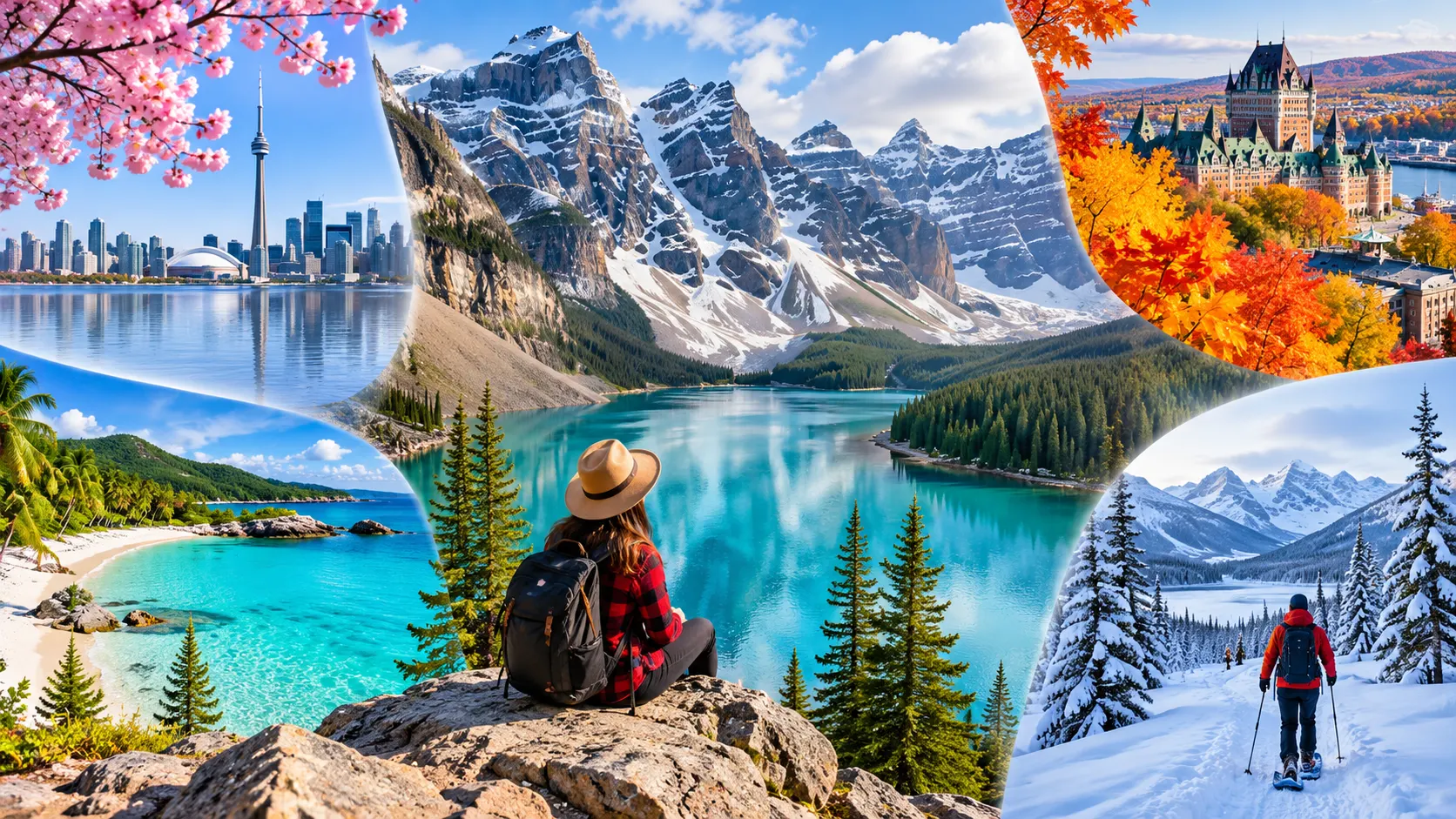
Canada is one of the most beautiful travel destinations in the world, offering breathtaking mountains, vibrant cities, peaceful lakes, and remarkable natural landscapes. From the snow-covered peaks of the Canadian Rockies to the colorful autumn forests of Quebec and Ontario, every season provides a different travel experience. Understanding the best time to visit Canada can help you plan a memorable vacation while enjoying suitable weather and activities.
Canada is a vast country with diverse climates, meaning weather conditions can vary significantly between regions. While Vancouver may experience mild and rainy winters, cities such as Toronto, Montreal, and Calgary often face much colder temperatures. Northern Canada experiences even more dramatic seasonal changes, including extremely cold winters and extended daylight during summer.
In this guide, you will discover the best time to visit Canada based on weather, seasons, destinations, and travel preferences. We will also explore the best months for sightseeing, outdoor adventures, fall foliage, winter activities, and budget-friendly vacations, along with practical tips for planning your Canadian holiday.
When Is the Best Time to Visit Canada?
The best time to visit Canada is generally between June and September for travelers who prefer warmer weather and outdoor sightseeing. During these months, many destinations experience longer daylight hours, pleasant temperatures, and accessible attractions. Popular national parks, lakes, and hiking areas become especially appealing. However, summer is also one of the busiest tourism periods in the country.
September and early October are excellent alternatives for travelers interested in colorful autumn scenery and relatively comfortable weather. Many regions experience beautiful fall foliage as forests change from green to shades of red, orange, and yellow. Tourist crowds may also decrease after the summer holidays. These conditions make early autumn attractive for scenic drives and city exploration.
Winter is the best season for travelers who want to experience snowy landscapes, skiing, and traditional Canadian winter activities. Spring offers another perspective through blooming gardens and gradually warming temperatures. Each season has advantages depending on your destination and interests. Choosing the right travel period involves considering regional weather, attraction availability, and your preferred activities.
Understanding Canada’s Weather and Climate
Canada experiences significant climate differences because of its enormous geographical size and varied landscapes. Coastal British Columbia generally has milder winters than many inland regions, while the Prairie provinces experience stronger seasonal temperature changes. Southern Ontario and Quebec often have warm summers and cold winters. Northern territories experience some of the country’s most extreme conditions.
Summer temperatures in many southern Canadian cities commonly range from approximately 20°C to 30°C during the daytime. However, heat waves can produce higher temperatures, particularly in southern Ontario and other inland areas. Mountain regions may remain cooler, especially at higher elevations. Travelers should prepare for regional differences rather than assuming the same weather across Canada.
Winter conditions also vary considerably between destinations. Vancouver often experiences cool, rainy weather at lower elevations, while Montreal and Ottawa frequently receive substantial snowfall. Alberta and the Prairie provinces can experience severe cold spells. Understanding these regional patterns helps travelers pack appropriate clothing and choose destinations that match their comfort preferences.
Visiting Canada in Spring: March to May
Spring in Canada is a transitional season when winter snow gradually melts and temperatures begin to rise. The timing of warmer weather differs between regions, with coastal areas often experiencing spring conditions earlier than northern or mountainous destinations. March can still feel like winter in many places. April and May generally bring more noticeable seasonal changes.
Spring is particularly appealing for travelers interested in gardens, peaceful city walks, and fewer crowds at certain attractions. Vancouver and Victoria are known for attractive spring blossoms, while Ottawa hosts seasonal floral displays and the Canadian Tulip Festival. Parks and waterfront areas gradually become more inviting. However, rainfall remains common in many regions.
Travelers visiting Canada during spring should prepare for unpredictable weather and changing outdoor conditions. Some hiking trails may remain covered with snow or become muddy during the thaw. Mountain lakes can also remain frozen well into spring. Flexible itineraries and layered clothing help visitors enjoy the season despite occasional weather changes.
Summer in Canada: June to August
Summer is one of the most popular times to visit Canada because many regions experience warm weather and extended daylight hours. These conditions are excellent for sightseeing, hiking, camping, and exploring national parks. Cities also host cultural festivals, outdoor performances, and seasonal events. Travelers can enjoy a wide variety of activities without preparing for severe winter temperatures.
The Canadian Rockies are especially beautiful during summer, with turquoise lakes, mountain scenery, and numerous outdoor experiences. Banff, Jasper, and nearby destinations attract visitors from around the world. Coastal areas such as Vancouver Island and Nova Scotia are also popular for scenic travel. Summer provides opportunities to explore both natural attractions and urban destinations.
However, summer travel can involve higher accommodation prices and larger crowds at famous attractions. Popular hotels, transportation services, and guided activities may fill quickly. Wildfire smoke and temporary closures can also affect certain regions during dry periods. Booking early and checking local conditions helps travelers prepare for a smoother summer vacation.
Fall in Canada: September to November
Autumn is one of the most scenic times to visit Canada because forests transform into beautiful combinations of red, orange, gold, and yellow. September often brings pleasant temperatures to many southern regions, while October provides impressive foliage in several eastern destinations. The season is especially attractive for photography, nature walks, and scenic road trips.
Ontario and Quebec are particularly famous for their autumn landscapes. Algonquin Provincial Park, the Laurentian Mountains, and surrounding countryside areas provide memorable seasonal views. Nova Scotia’s Cabot Trail is another popular destination for coastal scenery and colorful forests. Peak foliage varies depending on location, elevation, and yearly weather conditions.
By November, temperatures generally become colder, and some regions begin experiencing regular snowfall. Daylight hours also decrease as winter approaches. Travelers visiting later in autumn should prepare for more variable conditions and possible attraction closures. September and early October are often more convenient for combining outdoor sightseeing with comfortable weather.
Winter in Canada: December to February
Winter transforms Canada into a destination filled with snowy landscapes, frozen lakes, and seasonal outdoor activities. Many regions experience freezing temperatures, while mountainous areas attract visitors interested in winter sports. Cities also host holiday displays, winter festivals, and cultural celebrations. The season provides an experience very different from summer travel.
Banff, Whistler, and Mont-Tremblant are among Canada’s recognized winter destinations. Visitors can enjoy mountain scenery, organized skiing experiences, and winter resort attractions. Quebec City is particularly charming during the colder months because of its historic architecture and seasonal atmosphere. Some northern regions also offer opportunities to observe the Northern Lights.
Winter travel requires careful preparation because snowstorms, icy roads, and extreme cold can affect transportation. Warm coats, insulated footwear, gloves, and layered clothing are important for outdoor comfort. Travelers should check weather forecasts and road conditions regularly. Choosing appropriate activities and experienced operators helps make winter experiences more enjoyable.
Best Time to Visit Toronto and Niagara Falls
Toronto is one of Canada’s most popular urban destinations, offering museums, shopping districts, waterfront attractions, and cultural events. The city experiences warm summers, colorful autumns, and cold winters. June through September is generally an appealing period for outdoor sightseeing. Visitors can explore parks, neighborhoods, and seasonal attractions with relatively comfortable conditions.
Niagara Falls is another famous attraction located within convenient traveling distance of Toronto. Summer is popular because many sightseeing experiences and visitor services operate during this period. Spring and autumn may offer opportunities to enjoy the waterfalls with different weather conditions and potentially fewer crowds. The falls remain impressive throughout the year.
Winter visits to Niagara Falls provide a distinctive atmosphere, with icy formations developing around parts of the landscape during cold conditions. However, some seasonal experiences may operate on reduced schedules or close temporarily. Toronto also experiences snow and freezing temperatures during winter. Travelers should choose dates according to preferred activities and weather tolerance.
Best Time to Visit Vancouver and British Columbia
Vancouver is known for its beautiful coastal location, surrounding mountains, and relatively mild climate compared with many other Canadian cities. Summer is a popular time to explore parks, waterfront areas, and nearby natural attractions. July through September often provides favorable conditions for outdoor activities. Visitors can enjoy beaches, gardens, and scenic walking routes.
Spring is another appealing season because gardens and tree-lined streets become colorful with blossoms. Stanley Park and surrounding neighborhoods offer attractive scenery throughout the warmer months. However, Vancouver frequently experiences rainfall outside the summer period. Carrying waterproof clothing can help visitors remain comfortable during unpredictable weather.
British Columbia also offers destinations with different climate patterns, including Whistler, Victoria, and the Okanagan Valley. Whistler attracts winter visitors interested in snow sports and summer travelers exploring mountain scenery. Victoria is known for gardens and coastal attractions. Choosing travel dates based on specific destinations is important because weather conditions vary across the province.
Best Time to Visit Banff and the Canadian Rockies
Banff National Park is one of Canada’s most spectacular destinations, famous for mountain peaks, turquoise lakes, forests, and scenic valleys. The best time to visit depends on whether you prefer summer landscapes or winter scenery. June through September is generally popular for hiking and sightseeing. Higher mountain trails may remain snow-covered into early summer.
Lake Louise and Moraine Lake are among the region’s most recognizable attractions. Their turquoise water is especially striking during the warmer months when the lakes are free of seasonal ice. Access arrangements and transportation restrictions can vary between locations. Popular viewpoints and shuttle services may require advance planning during peak season.
Winter transforms Banff into a snowy mountain destination with different sightseeing opportunities. Visitors can experience beautiful alpine scenery and organized winter activities. However, temperatures can become extremely cold, and daylight hours are shorter. Mountain weather also changes rapidly, so checking current conditions and choosing suitable activities is essential.
Best Time to Visit Montreal and Quebec City
Montreal is one of Canada’s most vibrant cultural destinations, known for its historic neighborhoods, festivals, food culture, and distinctive architecture. Summer is particularly lively because outdoor events and street activities attract visitors. June through August is generally suitable for exploring the city on foot. Warm temperatures and longer daylight hours provide comfortable sightseeing opportunities.
Autumn is another beautiful season in Montreal and the surrounding Quebec countryside. Trees change color, creating impressive scenery in parks and nearby natural areas. September and early October often provide an attractive balance between cooler temperatures and outdoor accessibility. Travelers interested in photography and scenic drives may particularly enjoy this period.
Quebec City offers a charming atmosphere throughout the year, especially within its historic Old Town. Winter is famous for seasonal celebrations and snow-covered streets, while summer provides comfortable opportunities to explore historic landmarks. Autumn adds colorful landscapes to the surrounding region. Visitors should choose the season that best matches their preferred cultural and outdoor experiences.
Best Time to Visit Nova Scotia and Atlantic Canada
Atlantic Canada offers beautiful coastlines, historic towns, fishing communities, and scenic driving routes. The region includes Nova Scotia, New Brunswick, Prince Edward Island, and Newfoundland and Labrador. Summer is generally the most convenient period for coastal sightseeing and outdoor activities. Warmer temperatures and longer daylight hours make exploring remote attractions easier.
Nova Scotia’s Cabot Trail is one of the region’s most famous scenic routes, offering impressive ocean views and forested landscapes. Autumn is especially attractive because surrounding trees develop vibrant seasonal colors. Prince Edward Island is popular for beaches and picturesque countryside during summer. Travelers can also explore coastal villages and cultural attractions throughout the region.
Weather in Atlantic Canada can change quickly because of its proximity to the ocean. Coastal fog, rainfall, and strong winds may affect travel conditions even during warmer months. Some seasonal businesses reduce operating hours outside peak summer. Planning accommodation and transportation in advance helps visitors explore the region more comfortably.
Best Time to See the Northern Lights in Canada
The Northern Lights, also known as the aurora borealis, are among Canada’s most fascinating natural attractions. They occur when charged particles interact with Earth’s atmosphere, creating colorful displays in the night sky. Northern regions provide some of the best viewing opportunities because of their geographical location. However, sightings depend on several environmental conditions.
Yellowknife in the Northwest Territories is a well-known destination for Northern Lights tourism. Yukon also offers excellent viewing opportunities, particularly in locations away from artificial lighting. Longer, darker nights from approximately late August through April can provide favorable viewing conditions. Actual aurora activity and cloud cover determine whether displays are visible.
Northern Lights sightings are never guaranteed, even during popular viewing months. Travelers should allow several nights when possible and choose accommodation that supports access to dark viewing locations. Winter conditions in northern Canada can be extremely cold. Appropriate clothing and guided experiences can improve comfort while exploring these remarkable natural displays.
Cheapest Time to Visit Canada on a Budget
The cheapest time to visit Canada varies by destination because tourism demand changes throughout the year. Spring and late autumn can offer lower accommodation rates in some cities compared with busy summer periods. However, ski resorts and popular winter destinations may have high prices during peak snow seasons. Local events can also influence travel expenses.
Travelers can reduce costs by comparing accommodation options, booking transportation in advance, and choosing destinations outside major holiday periods. Public transportation is often practical in larger cities, while smaller towns may require alternative arrangements. Visiting fewer distant regions can also reduce domestic flight expenses. Thoughtful route planning helps maintain a manageable travel budget.
Budget travel should not focus exclusively on finding the lowest available price. Weather, attraction accessibility, and transportation reliability also influence overall value. A cheaper hotel during an inconvenient season may not provide the desired experience. Comparing total travel costs alongside seasonal conditions helps travelers make better decisions.
Best Month to Visit Canada for Different Activities
July and August are excellent choices for many travelers interested in national parks, city sightseeing, and outdoor recreation. Warm weather and long daylight hours create opportunities for varied activities. However, these months are also popular, so accommodation and attractions may become crowded. June can provide similar advantages in many destinations with somewhat different conditions.
September is particularly appealing for travelers seeking a balance between pleasant weather and fewer summer crowds. Early autumn can be excellent for scenic road trips, countryside exploration, and cultural sightseeing. October is especially attractive in some eastern regions when fall foliage reaches its seasonal peak. Weather becomes less predictable as the month progresses.
For winter activities, January and February are popular months in many established mountain resorts. Northern Lights viewing is possible during dark, suitable periods across much of the colder season. April and May may appeal to travelers interested in spring blossoms and quieter cities. Choosing a month based on specific activities produces better results than relying on a single national recommendation.
Essential Packing Tips for Every Canadian Season
Packing for Canada requires considering your destination, travel dates, and planned activities. Summer visitors should bring comfortable clothing, walking shoes, sun protection, and a lightweight waterproof layer. Mountain destinations may become chilly even during warmer months. Clothing that can be layered provides flexibility when temperatures change throughout the day.
Winter travel requires greater attention to insulation and protection from cold conditions. A warm coat, gloves, hat, insulated footwear, and appropriate base layers are important for many destinations. Snow and icy surfaces may also require suitable footwear with good traction. Travelers should follow local advice when planning outdoor activities in severe weather.
Spring and autumn visitors benefit from carrying clothing suitable for changing temperatures and occasional rainfall. Waterproof jackets, comfortable shoes, and versatile layers are practical choices. Travelers heading to remote regions should also consider access to supplies and transportation services. Preparing for expected weather conditions makes sightseeing more comfortable and reduces unnecessary travel difficulties.
Important Travel Tips Before Visiting Canada
Before visiting Canada, check passport validity, visa requirements, and any necessary travel authorization based on your nationality. Entry rules can differ depending on citizenship and travel circumstances. Travelers should review official requirements before booking nonrefundable arrangements. Appropriate travel insurance may also provide useful protection against unexpected medical or travel expenses.
Canada covers an enormous geographical area, so distances between destinations can be substantial. Traveling from Toronto to Vancouver, for example, involves crossing much of the country. Domestic flights are useful for long-distance travel, while trains and road trips provide alternative experiences. Building a realistic itinerary helps avoid spending too much vacation time in transit.
Visitors should also pay attention to seasonal safety considerations, including wildfire conditions, winter storms, and rapidly changing mountain weather. National park access and certain attractions may be affected by temporary closures or restrictions. Checking current local guidance before traveling is important. Respecting wildlife, environmental regulations, and local communities helps support responsible tourism.
Conclusion
The best time to visit Canada depends on the destinations you want to explore and the experiences you hope to enjoy. Summer generally offers warm weather, long daylight hours, and excellent opportunities for outdoor sightseeing. Autumn provides colorful landscapes and comfortable conditions in many regions, while winter transforms the country into a destination for snow activities and Northern Lights experiences.
Canada’s diverse climate means that no single month is perfect for every location. Vancouver, Toronto, Banff, Quebec City, and northern Canada each experience different seasonal conditions. Understanding these differences helps travelers choose suitable dates and pack appropriately. Planning around regional weather patterns can make a significant difference to the overall travel experience.
Whether you want to explore the Canadian Rockies, admire Niagara Falls, discover historic cities, or experience spectacular autumn scenery, Canada offers memorable opportunities throughout the year. Choosing the right season, allowing enough travel time, and preparing for changing weather can make your journey more enjoyable. With thoughtful planning, you can discover the natural beauty and cultural diversity that make Canada such an attractive destination.
Frequently Asked Questions
What Is the Best Month to Visit Canada?
June through September is generally ideal for warm weather and sightseeing. September is particularly appealing because many destinations offer comfortable temperatures, beautiful scenery, and fewer crowds than peak summer.
What Is the Cheapest Month to Visit Canada?
April, May, and November can offer lower accommodation prices in some Canadian destinations. However, costs depend on local events, weather conditions, and whether the region has a busy winter tourism season.
When Is the Best Time to See Snow in Canada?
December through March generally offers snowy conditions across many Canadian regions. However, snowfall varies significantly by location, and some mountain destinations may experience snow outside these months.
What Is the Best Time to Visit Banff National Park?
June through September is popular for hiking, sightseeing, and mountain lake scenery. December through March is attractive for winter sports and snowy landscapes, although conditions can be very cold.
How Many Days Do You Need to Visit Canada?
A trip of 10 to 14 days allows travelers to explore several destinations within one region. Two to three weeks provides more flexibility, but experiencing Canada’s different regions requires multiple visits.