
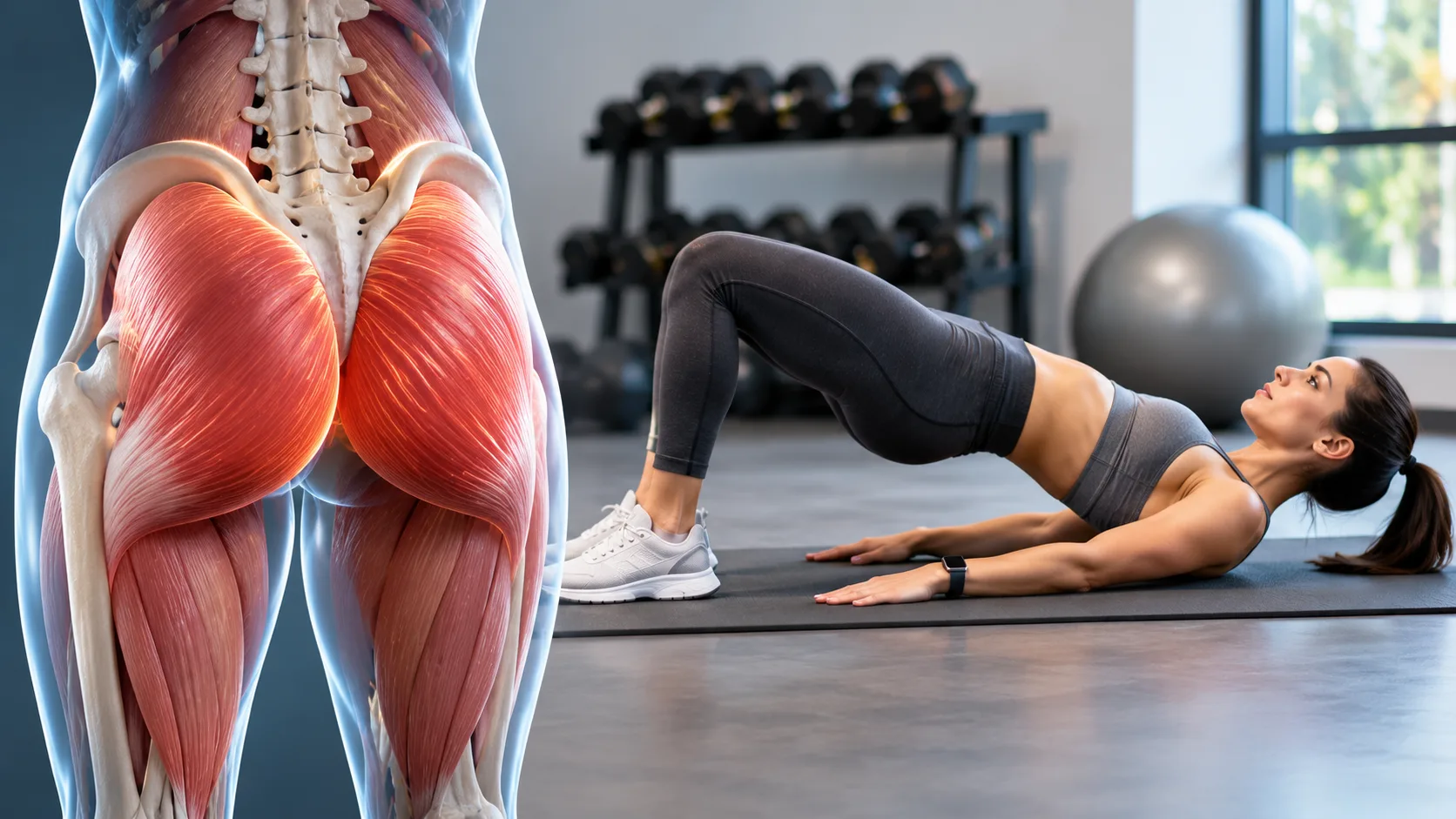
What Is the Gluteus?
The gluteus refers to a group of muscles located around the buttocks and outer hips. These muscles help control hip movement, support pelvic stability, and contribute to everyday activities such as walking, running, climbing stairs, and standing. The three primary gluteal muscles are the gluteus maximus, gluteus medius, and gluteus minimus, each performing important functions.
The gluteal muscles connect different parts of the pelvis to the upper thigh and surrounding structures. They work together to produce movement while helping the body maintain balance during weight-bearing activities. Their function becomes particularly important when standing on one leg, changing direction, or performing movements that require coordinated hip control.
Understanding the Anatomy of the Gluteal Muscles
The gluteal region contains several muscles arranged in layers around the posterior and lateral portions of the pelvis. The gluteus maximus forms the largest superficial muscle, while the gluteus medius and minimus lie deeper. Together, they contribute to hip extension, abduction, rotation, and stabilization during different movements.
These muscles originate from parts of the pelvis and attach to structures surrounding the femur. Their precise attachment points influence the direction of force they produce when contracting. Because each muscle has different anatomical relationships, they contribute differently to activities such as walking, climbing, turning, and maintaining balance.
The gluteal region also contains nerves, blood vessels, tendons, and connective tissues that support normal muscular function. These structures allow communication between the nervous system and the muscles while providing nourishment and mechanical connections. Understanding this anatomy is useful when discussing hip discomfort, movement limitations, and rehabilitation exercises.
Gluteus Maximus: The Largest Gluteal Muscle
The gluteus maximus is the largest of the three main gluteal muscles and one of the body’s most powerful hip extensors. It forms much of the visible shape of the buttocks and plays an important role in lower-body movement. This muscle becomes particularly active during activities requiring substantial hip extension force.
Its primary function is extending the hip, which involves moving the thigh backward relative to the pelvis. It also contributes to external hip rotation and helps control certain movements of the trunk and lower body. Activities such as rising from a chair, climbing stairs, and accelerating during running can place considerable demands on this muscle.
The gluteus maximus works alongside the hamstrings and other muscles to produce coordinated movement. Its activity changes depending on body position, exercise technique, and the amount of resistance involved. Maintaining appropriate strength can support daily mobility and athletic performance without requiring specialized or excessively demanding exercises.
Gluteus Medius: The Muscle That Supports Balance
The gluteus medius is located on the outer surface of the pelvis, partly beneath the gluteus maximus. It is an important hip abductor, meaning it helps move the thigh away from the body’s midline. Its different muscle fibers also contribute to hip rotation and control during weight-bearing activities.
One of its most important roles is stabilizing the pelvis while standing or moving on one leg. During walking, the gluteus medius helps prevent the pelvis from dropping excessively on the unsupported side. This stabilizing function supports coordinated movement between the hips, knees, and trunk.
Reduced gluteus medius strength or control can contribute to movement difficulties in some individuals. However, weakness alone does not explain every case of hip or knee pain. A balanced approach to improving function usually considers muscular strength, movement tolerance, coordination, and any relevant medical conditions.
Gluteus Minimus: The Deepest Gluteal Muscle
The gluteus minimus is the smallest of the three primary gluteal muscles and lies beneath the gluteus medius. It originates from the outer surface of the pelvis and attaches to the upper femur. Despite its relatively small size, it contributes significantly to hip movement and joint stability.
The gluteus minimus helps abduct the hip and assists with internal rotation, particularly through its anterior fibers. It also works with the gluteus medius to control pelvic position during walking and standing. These coordinated actions help maintain stable movement when body weight shifts between the legs.
Because the gluteus minimus lies deep within the hip region, its activity is not always easy to distinguish during ordinary exercise. Many movements that strengthen the gluteus medius also involve this deeper muscle. Appropriate strengthening and movement practice can support both muscles as part of overall hip function.
Where Are the Gluteal Muscles Located?
The gluteal muscles are positioned around the back and outer portions of the hips. The gluteus maximus occupies much of the posterior hip region, while the gluteus medius lies higher and more laterally. The gluteus minimus sits beneath the medius, forming part of the deeper muscular structure.
These muscles connect the pelvis to the femur and surrounding connective tissues. Their anatomical locations allow them to generate force in different directions and stabilize the hip during movement. The arrangement also explains why various exercises can emphasize different functions, including extension, abduction, and rotational control.
The gluteal region is closely connected to the lower back, thighs, and pelvis through muscles and connective tissues. Discomfort in one area can sometimes affect movement elsewhere, although pain patterns are not always caused by gluteal weakness. Understanding these relationships helps provide a broader picture of lower-body mechanics.
What Is the Main Function of the Gluteus?
The gluteal muscles primarily support hip movement and pelvic stability during everyday activities. Their combined functions include hip extension, abduction, rotation, and control of weight transfer between the legs. These movements are essential for walking, climbing stairs, standing upright, and performing many recreational or occupational tasks.
The gluteus maximus contributes strongly to hip extension, while the gluteus medius and minimus play important roles in abduction and pelvic control. However, these functions overlap because muscles work together rather than operating completely independently. Their coordinated activity allows the body to respond to changing positions and movement demands.
Gluteal function also helps support efficient movement through the hips and surrounding joints. Strong muscles can improve the body’s ability to tolerate appropriate physical loads, but strength is only one component of movement quality. Joint mobility, coordination, endurance, and overall physical capacity also contribute to comfortable daily activity.
How the Gluteus Supports Walking and Running
Walking involves repeated transfers of body weight from one leg to the other. During this process, the gluteus medius and minimus help stabilize the pelvis while the supporting leg carries weight. The gluteus maximus contributes to hip extension and becomes more active when movement requires additional force.
Running places greater demands on the gluteal muscles because the body must control larger forces and faster movements. These muscles contribute to propulsion, landing control, and coordination between the trunk and lower limbs. Their activity changes with running speed, terrain, individual technique, and physical conditioning.
Although gluteal strength is important, running performance depends on many interacting factors. Calf muscles, quadriceps, hamstrings, and core muscles also contribute substantially to movement. A balanced training program should therefore include general lower-body strengthening rather than focusing exclusively on the glutes.
How Gluteal Muscles Support Hip Stability
Hip stability involves controlling the position and movement of the pelvis and femur during physical activity. The gluteus medius and minimus are particularly important when the body is supported by one leg. Their contractions help manage forces that would otherwise cause excessive pelvic movement.
During activities such as stair climbing or stepping sideways, the gluteal muscles coordinate with surrounding muscles to maintain control. They also contribute to adjusting movement when the body changes direction. This ability supports everyday balance and allows the hips to respond to different physical demands.
However, stability does not mean keeping the pelvis completely motionless. Normal movement requires controlled adjustments as the body transfers weight and changes position. Training should encourage appropriate strength and coordination rather than forcing rigid movement patterns that may feel uncomfortable or unnatural.
The Role of Gluteal Muscles in Posture
Gluteal muscles contribute to maintaining and changing body position, particularly through their relationship with the pelvis and hips. They help control movements involving standing, bending, and returning to an upright position. Their contribution varies depending on the activity and the amount of force required.
The gluteus maximus can assist with extending the hip and controlling the trunk during demanding movements. Meanwhile, the deeper gluteal muscles help stabilize the pelvis when weight shifts between the legs. These functions support normal movement without requiring constant muscular contraction throughout the day.
There is no single perfect standing posture that everyone must maintain to protect their gluteal muscles. Comfortable positioning and regular movement are generally more practical than attempting to hold a rigid alignment. Strength, mobility, and varied physical activity help support normal function across the hips and surrounding regions.
Common Causes of Gluteal Muscle Pain
Gluteal discomfort can develop from muscle strain, repetitive loading, tendon problems, or conditions affecting nearby structures. Sudden increases in exercise intensity may contribute to soreness or irritation around the hip muscles. Some people notice discomfort after running, climbing stairs, lifting, or performing unfamiliar physical activities.
Pain around the outer hip may sometimes involve gluteus medius or minimus tendons. This condition is commonly associated with greater trochanteric pain syndrome, which can cause discomfort during walking or lying on the affected side. However, similar symptoms may result from other hip or lower-back conditions.
Discomfort in the buttock region can also originate from the lumbar spine, hip joint, or nearby nerves. Therefore, pain location alone cannot reliably identify the affected structure. Persistent, severe, or unexplained symptoms should be evaluated by a healthcare professional before beginning aggressive stretching or strengthening exercises.
Signs of Gluteal Weakness and Reduced Function
Reduced gluteal strength may become noticeable during activities that require hip extension or single-leg control. Some individuals experience difficulty climbing stairs, rising from low seats, or maintaining balance during certain movements. However, these challenges can have several causes and do not automatically indicate isolated gluteal weakness.
A healthcare professional may assess hip strength, walking patterns, and movement control when investigating suspected weakness. Certain movement changes can suggest reduced muscular capacity, but they are not sufficient for diagnosis by themselves. Joint discomfort, neurological conditions, and previous injuries may also influence how someone performs physical tasks.
Gradual strengthening may help improve function when reduced muscle capacity contributes to movement limitations. Exercises should match the individual’s ability and avoid repeatedly aggravating painful areas. If weakness develops suddenly, progresses unexpectedly, or occurs with numbness or significant pain, prompt medical assessment is important.
Best Exercises to Strengthen the Gluteus
Several exercises can strengthen the gluteal muscles through different movement patterns. Glute bridges, squats, step-ups, and hip abduction exercises are common examples. Each movement challenges the hips differently, making exercise variety useful when developing balanced lower-body strength and coordination.
Glute bridges emphasize hip extension and involve the gluteus maximus alongside other supporting muscles. Side-lying hip abduction exercises can challenge the gluteus medius and minimus through controlled outward leg movement. Squats and step-ups provide additional opportunities to train the glutes during functional weight-bearing activities.
The most suitable exercises depend on individual strength, comfort, mobility, and training goals. Beginners can often start with bodyweight movements before gradually increasing resistance. Proper progression matters more than choosing complicated routines or attempting challenging exercises before developing adequate movement control.
How to Perform Glute Bridges Correctly
The glute bridge is a common exercise used to strengthen muscles involved in hip extension. Begin by lying on your back with your knees bent and feet resting comfortably on the floor. Keep your arms relaxed beside your body and choose a foot position that allows controlled movement.
Slowly lift your hips by pressing through your feet while keeping the movement comfortable. Raise your pelvis until your hips and trunk reach a manageable position without excessively arching your lower back. Pause briefly before lowering your hips with control and maintaining a natural breathing rhythm.
Start with a few comfortable repetitions and gradually increase the difficulty as strength improves. Avoid forcing the movement if it produces sharp pain or unusual discomfort. Glute bridges can be useful within a balanced strengthening routine, but they do not need to be performed to exhaustion to provide benefits.
Hip Abduction Exercises for Gluteus Medius and Minimus
Hip abduction exercises involve moving the leg away from the body’s midline. This movement challenges the gluteus medius and minimus, which contribute to lateral hip control and pelvic stability. These exercises can be performed in standing, side-lying, or other supported positions.
For a simple standing variation, hold a stable chair and slowly move one leg outward. Keep your trunk relatively steady and avoid leaning excessively to create additional movement. Return the leg to its starting position with control before repeating on the opposite side.
Side-lying leg raises provide another option for strengthening the outer hip muscles. Lie comfortably on one side and lift the upper leg through a manageable range. Avoid forcing the movement or using momentum, especially when the outer hip feels sensitive or painful.
Are Squats and Lunges Good for Gluteal Strength?
Squats and lunges are useful exercises for developing lower-body strength because they involve coordinated hip and knee movements. The gluteus maximus contributes to hip extension during both exercises. Other muscles, including the quadriceps and hamstrings, also participate in controlling the movement and producing force.
Squats generally involve both legs working together, while lunges place greater emphasis on controlling a split stance. This difference creates varying demands on balance and pelvic stability. Lunges can particularly challenge the gluteus medius and minimus as they help control the hips during weight transfer.
Both exercises can be adapted to different fitness levels using bodyweight movements, external resistance, or supportive equipment. There is no universal requirement to perform deep repetitions or heavy lifting. Comfortable technique and gradual progression are more important for developing strength while reducing unnecessary strain.
How Often Should You Train Your Gluteal Muscles?
The appropriate training frequency depends on exercise intensity, experience, and overall physical activity. Many strength-training routines include lower-body exercises on multiple days each week with suitable recovery between demanding sessions. However, there is no single schedule that works equally well for every person.
Beginners may benefit from starting with manageable exercise sessions and gradually increasing repetitions or resistance. More experienced individuals may use different movements to challenge the glutes across several workouts. Paying attention to fatigue, soreness, and movement quality can help guide training decisions.
Recovery is important because muscles adapt to physical demands over time. Consistent strength development generally requires an appropriate balance between exercise, rest, and adequate nutrition. Severe soreness or persistent discomfort should not be treated as a necessary sign of an effective workout.
How to Keep Your Gluteal Muscles Healthy
Maintaining healthy gluteal muscles involves regular movement, balanced strengthening, and appropriate recovery. Walking, climbing stairs, and suitable resistance exercises all provide opportunities to use the hips. These activities help maintain functional strength and support everyday mobility without requiring highly specialized training equipment.
Prolonged sitting can sometimes contribute to feelings of stiffness around the hips, although it does not automatically deactivate or damage the gluteal muscles. Changing positions and taking comfortable movement breaks may help reduce discomfort. Incorporating different movement patterns throughout the day supports general physical function.
It is also important to respond appropriately when pain or unusual weakness develops. Avoid repeatedly forcing exercises that aggravate symptoms, and consider professional guidance when discomfort persists. A balanced approach to movement, strength, and recovery can help support long-term gluteal function and overall hip health.
When Should You See a Doctor for Gluteal Pain?
Mild muscular soreness after unfamiliar activity often improves with time and appropriate activity modification. However, persistent gluteal pain, recurring discomfort, or movement limitations may require medical assessment. A healthcare professional can examine the affected area and determine whether the symptoms involve muscles, tendons, joints, or nearby nerves.
Seek prompt medical advice when pain follows a significant injury or makes weight-bearing difficult. New weakness, persistent numbness, or symptoms extending down the leg also deserve attention. These findings may indicate a condition involving the nervous system or another structure requiring a more specific treatment approach.
Emergency evaluation is necessary when severe back or buttock pain occurs with new bladder or bowel control problems, numbness around the groin, or rapidly worsening leg weakness. These warning signs can indicate serious neurological conditions. They should not be treated through stretching, massage, or exercise without immediate medical assessment.
Conclusion
The gluteus consists of three main muscles: the gluteus maximus, gluteus medius, and gluteus minimus. Each muscle contributes to hip movement, pelvic stability, and coordinated lower-body activity. Together, they help support everyday movements such as walking, running, climbing stairs, standing, and changing direction.
Understanding gluteal anatomy explains why these muscles are important for much more than exercise performance. Their functions include hip extension, abduction, rotation, and stabilization during weight-bearing activities. Appropriate strengthening, comfortable mobility, and regular physical activity can support their ability to perform these responsibilities effectively.
Maintaining gluteal health involves gradual exercise progression, balanced movement, and attention to persistent symptoms. Exercises such as bridges, squats, lunges, and hip abduction movements may help develop strength when performed appropriately. If pain or weakness interferes with daily activities, professional assessment can help identify the cause and guide suitable care.
Frequently Asked Questions (FAQs)
What Are the Three Gluteus Muscles?
The three primary gluteal muscles are the gluteus maximus, gluteus medius, and gluteus minimus. They work together to support hip movement, pelvic stability, and everyday lower-body activities.
What Is the Main Function of the Gluteus Maximus?
The gluteus maximus primarily extends the hip and helps with external rotation. It contributes to powerful movements such as standing from a chair, climbing stairs, running, and lifting.
Where Is the Gluteus Medius Located?
The gluteus medius lies along the outer surface of the pelvis, partly beneath the gluteus maximus. It helps move the leg sideways and stabilizes the pelvis during walking.
What Exercises Strengthen the Gluteal Muscles?
Glute bridges, squats, lunges, step-ups, and hip abduction exercises can strengthen different gluteal muscles. The best choices depend on individual ability, comfort, and training goals.
Can Weak Gluteal Muscles Cause Hip Pain?
Reduced gluteal strength or control may contribute to certain hip problems, but weakness does not explain every case of pain. Persistent symptoms require proper assessment to identify the underlying cause.