
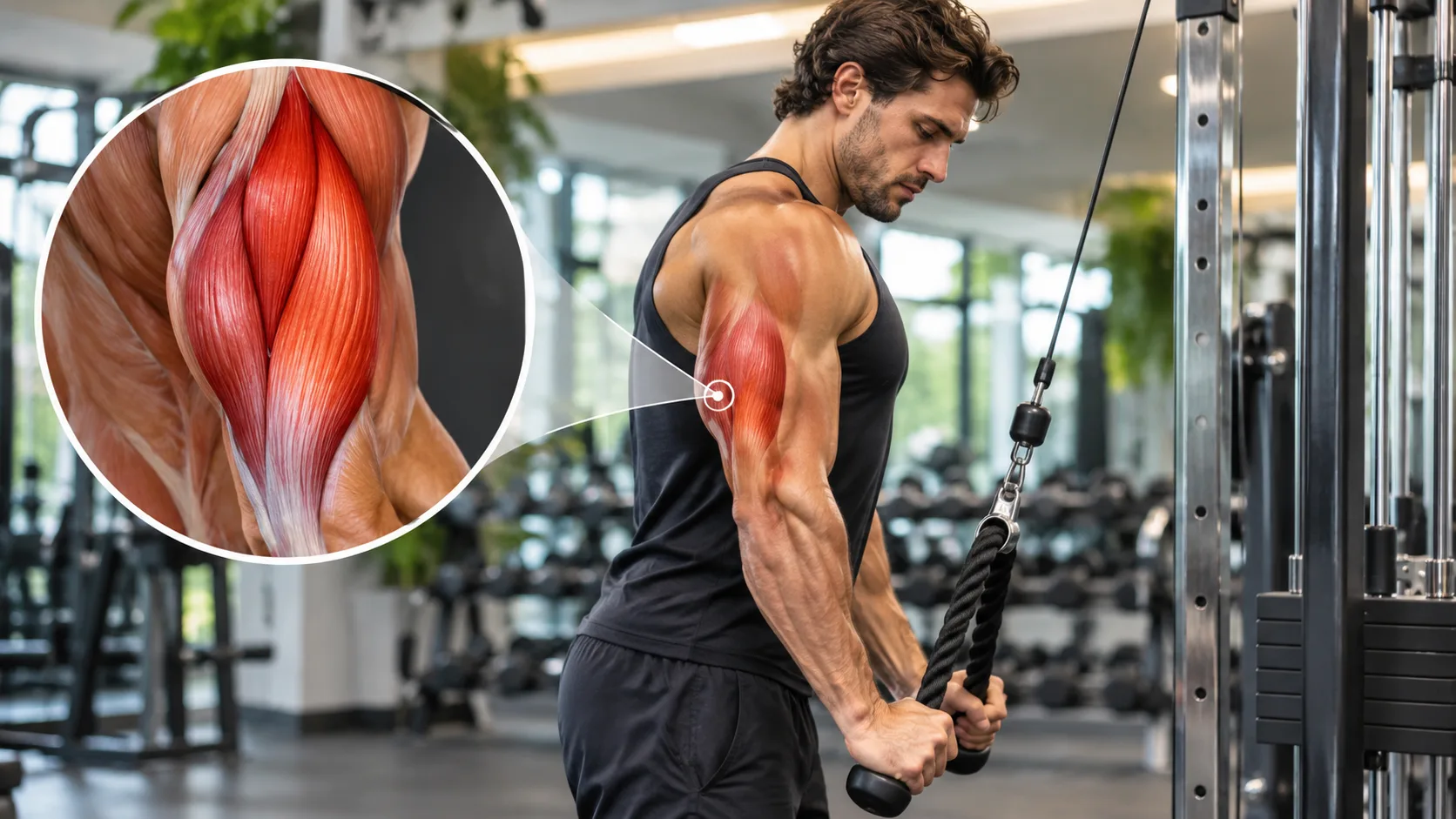
The tricep muscle group plays an important role in everyday arm movements, yet many people do not fully understand how it works. Whether you are pushing a door, lifting yourself from a chair, or straightening your elbow, your triceps help complete these actions. These muscles are located at the back of the upper arm and contribute to strength, movement, and joint stability.
Understanding the tricep muscle group can help you learn how the upper arm functions and why different exercises involve these muscles. The triceps contain three distinct heads that work together to extend the elbow. This guide explains their anatomy, location, functions, common movements, and practical ways to maintain healthy arm strength.
What Is the Tricep Muscle Group?
The tricep muscle group, anatomically called the triceps brachii, is a large skeletal muscle located along the back of the upper arm. Its name comes from the three separate heads that form the muscle. These heads combine into a common tendon near the elbow. Together, they help straighten the arm during various everyday activities.
The triceps work closely with other upper-arm muscles to produce controlled movements. While the biceps primarily help bend the elbow, the triceps are responsible for extending it. This opposing relationship allows the arm to move smoothly through different positions. Both muscle groups contribute to normal arm function and coordinated upper-body movement.
Although people often associate triceps with weight training, their function extends far beyond exercise. These muscles support pushing, reaching, and many tasks involving elbow extension. They also help control movements when external forces act on the arm. Understanding their structure provides a useful foundation for learning upper-limb anatomy and movement mechanics.
Where Are the Triceps Located?
The triceps are located on the posterior, or back, side of the upper arm. They extend from the upper-arm and shoulder region toward the elbow joint. Most of the muscle lies behind the humerus, which is the long bone of the upper arm. This position allows the triceps to produce force that straightens the elbow.
You can identify the triceps by looking at the back of your upper arm between the shoulder and elbow. The muscle becomes more noticeable when you straighten your arm against resistance. Its different heads occupy slightly different positions around the humerus. Together, they form the main muscular structure of the posterior upper-arm compartment.
The triceps are surrounded by other important anatomical structures, including blood vessels, nerves, and connective tissues. The radial nerve travels through the posterior arm and supplies the muscle. The triceps tendon attaches near the tip of the elbow. These relationships are important for understanding normal movement and certain upper-arm injuries.
Three Heads of the Tricep Muscle Group
The triceps brachii consists of three heads known as the long head, lateral head, and medial head. Each originates from a different anatomical location before joining the common triceps tendon. These separate origins influence how the heads participate in movement. However, they work together rather than functioning as completely independent muscles.
The long head begins on the scapula, while the lateral and medial heads originate from the humerus. Because the long head crosses the shoulder joint, it contributes to certain shoulder movements as well as elbow extension. The other two heads primarily act at the elbow. Their combined action produces the force needed to straighten the arm.
Understanding the three triceps heads is useful when studying anatomy or planning resistance exercises. Different shoulder and elbow positions can influence how the muscle heads contribute to movement. However, no ordinary triceps exercise completely isolates one head from the others. All three participate in elbow extension to varying degrees.
Long Head of the Triceps: Anatomy and Function
The long head of the triceps originates from the infraglenoid tubercle of the scapula. This location is just below the shoulder socket. From there, the muscle travels down the back of the upper arm toward the elbow. It eventually joins the other heads through the common triceps tendon.
Unlike the lateral and medial heads, the long head crosses both the shoulder and elbow joints. This arrangement allows it to contribute to elbow extension and certain shoulder movements. It helps extend and adduct the arm at the shoulder. Its contribution depends on arm position, muscular activity, and the demands of the movement.
The long head is involved during activities such as pushing and controlled overhead arm movements. Exercises performed with the arm raised may place the long head at a different muscle length. This can influence the training stimulus without fully isolating it. Balanced upper-arm training should consider both elbow extension and shoulder positioning.
Lateral Head of the Triceps: Anatomy and Function
The lateral head is located toward the outer and posterior portion of the upper arm. It originates from the posterior humerus, mainly above the radial groove. Its muscle fibers travel downward and join the common triceps tendon. This head contributes to the shape of the outer upper-arm musculature.
The lateral head works with the other triceps heads to extend the elbow joint. It becomes active during pushing movements and resistance exercises requiring the arm to straighten. Its contribution can vary according to the force required and the position of the arm. The muscle does not operate separately from the rest of the triceps.
Common exercises involving the lateral head include push-ups, cable pressdowns, and certain pressing movements. These exercises also recruit other muscles depending on technique and resistance. Changing grip or arm position may alter muscle activity, but it does not guarantee complete isolation. Proper technique and gradual progression remain more important than trying to target one head exclusively.
Medial Head of the Triceps: Anatomy and Function
The medial head lies deeper than the lateral and long heads of the triceps. It originates from the posterior surface of the humerus, mainly below the radial groove. Much of this head is covered by the other triceps muscles. Its fibers contribute to the common tendon that attaches to the ulna.
The medial head plays an important role in elbow extension across many everyday movements. It participates in both lower-force and more demanding activities. Because it lies beneath the other heads, it is less visible from the outside. However, its position does not make it less important for normal muscle function.
Exercises such as light pressdowns, controlled elbow extensions, and push-ups involve the medial head alongside the other heads. It contributes to coordinated elbow movement throughout different ranges of motion. Training the triceps through comfortable, varied movements can help develop overall strength. Isolating the medial head is generally unnecessary for everyday functional goals.
Triceps Origin, Insertion, and Nerve Supply
Understanding muscle origin and insertion helps explain how the triceps produce movement. The long head originates from the scapula, while the lateral and medial heads originate from different regions of the humerus. All three heads join into a common tendon. This tendon inserts primarily onto the olecranon process of the ulna.
The olecranon is the prominent bony structure at the back of the elbow. When the triceps contract, they pull through their tendon to produce elbow extension. This movement straightens the forearm relative to the upper arm. The arrangement of muscle fibers and tendon provides the mechanical connection needed for effective movement.
The radial nerve supplies motor signals to the triceps muscle. Its fibers arise from spinal nerve roots within the brachial plexus, primarily C6 through C8. Blood reaches the region through branches of the upper-arm arterial system, including the profunda brachii artery. These neurological and vascular connections support normal muscle activity and tissue function.
Main Functions of the Triceps Muscle
The primary function of the triceps is elbow extension, which means straightening the arm at the elbow joint. This action occurs during pushing, reaching, and several everyday tasks. All three heads contribute to the movement through their shared tendon. Their combined force helps move the forearm against different levels of resistance.
The triceps also contribute to controlled movement when the elbow bends under an external load. During certain activities, the muscle can lengthen while producing tension to control the motion. This is known as eccentric muscle action. It is important when lowering objects or managing resistance during exercise.
The long head has an additional role because it crosses the shoulder joint. It can assist with shoulder extension and adduction while contributing to shoulder stability. These functions occur alongside the activity of surrounding shoulder muscles. The triceps therefore support both basic elbow movement and broader upper-limb coordination.
How the Triceps and Biceps Work Together
The triceps and biceps are major muscles involved in controlling elbow movement. The biceps brachii contributes to elbow flexion, while the triceps brachii produces elbow extension. These actions generally oppose one another. However, both muscle groups can participate in coordinated movement depending on the task.
When you bend your elbow to bring an object closer, the elbow flexors produce much of the movement. When you straighten the arm, the triceps become the primary elbow extensors. During some activities, muscles on both sides of the joint may contract together. This coordinated activity can help support joint control.
Balanced upper-arm training should include both elbow flexion and extension exercises. Training only one movement pattern may leave other muscles less prepared for certain physical demands. A combination of pulling, pushing, and controlled arm exercises supports broader strength development. The goal is functional coordination rather than making opposing muscles work independently.
Role of the Triceps in Everyday Activities
The triceps help perform many daily tasks that involve pushing or straightening the arm. Opening a heavy door, pushing a shopping cart, and moving objects away from the body can involve elbow extension. These activities require different amounts of muscle force. The triceps adjust their contribution according to the movement.
Standing up from a chair while using the armrests may also involve the triceps. The muscles help straighten the elbows as the arms support part of the body’s weight. Similar movements occur when pushing upward from certain seated positions. However, the legs and trunk muscles also contribute substantially to standing.
Reaching and carrying activities can require the triceps to control elbow position. The muscles may work alongside shoulder and forearm muscles to stabilize the arm during a task. This coordinated action is important for everyday movement efficiency. Maintaining general upper-body strength can support the ability to perform these activities comfortably.
Triceps Function During Sports and Exercise
The triceps are active during many sports that require pushing, throwing, or rapid arm extension. Activities such as basketball, tennis, and certain track events involve coordinated upper-body movements. The triceps contribute to elbow extension during relevant phases of these actions. However, sports performance depends on the entire movement system rather than one muscle group.
Throwing movements provide a useful example of coordinated muscular activity. Shoulder, trunk, and arm muscles work together to generate and transfer force. The triceps contribute to elbow extension during the throwing sequence. Their role changes depending on the phase of movement, technique, and specific sporting activity.
Resistance exercises also rely on triceps activity during pushing movements. Bench presses, overhead presses, and push-ups involve elbow extension alongside shoulder and chest muscle activity. Training these patterns can improve general upper-body strength when performed appropriately. Exercise selection should reflect individual goals, physical abilities, and experience.
Common Exercises That Strengthen the Triceps
Several exercises can strengthen the tricep muscle group using body weight, resistance bands, or gym equipment. Push-ups, triceps pressdowns, and controlled elbow extensions are common examples. Each provides resistance against elbow extension. The best choice depends on your current abilities, available equipment, and comfort.
Push-ups train the triceps while also involving the chest, shoulders, and trunk muscles. Beginners can reduce difficulty by performing the movement against a wall or stable elevated surface. Cable or resistance-band pressdowns provide another option for controlled elbow extension. These exercises allow adjustments to resistance and movement range.
Overhead triceps extensions are another exercise variation that changes the position of the shoulder. They may provide a different training stimulus for the long head. However, overhead movements are not comfortable or appropriate for everyone. Choose exercises that allow smooth movement without joint pain and use manageable resistance.
How to Perform Triceps Exercises With Proper Form
Proper exercise technique helps you train the triceps while maintaining comfortable joint movement. Begin with a resistance level that allows you to control the entire repetition. Keep your movements steady rather than relying on momentum. Your elbow and shoulder positions should remain comfortable throughout the exercise.
During a triceps pressdown, keep your upper arms relatively stable as you straighten your elbows. Avoid swinging your shoulders or leaning excessively to move the resistance. Return slowly to the starting position while maintaining control. This allows the triceps to work through the movement without unnecessary compensations.
For push-ups, maintain a comfortable body position and choose a variation appropriate for your strength. Keep your elbows moving naturally rather than forcing them into an extreme angle. Stop before your technique breaks down or discomfort develops. Good exercise form should support controlled movement rather than require rigid positioning that feels unnatural.
Benefits of Strengthening the Tricep Muscle Group
Triceps strengthening can improve the ability to perform pushing and elbow-extension movements. These movements appear in exercise, sports, and everyday physical tasks. Developing muscular strength may make appropriate activities easier and more comfortable. Improvements depend on consistent training, suitable resistance, and adequate recovery.
Resistance training can also support muscle endurance, allowing the triceps to handle repeated movements more effectively. This may be useful for activities involving frequent arm use. Training with manageable loads helps muscles adapt gradually over time. Progress should be based on control and functional improvement rather than excessive exercise volume.
Another benefit is the contribution triceps training makes to broader upper-body conditioning. When combined with exercises for the back, chest, shoulders, and forearms, it supports balanced muscular development. This approach helps prepare the upper body for different movement demands. Strengthening one muscle group is most useful when included within a comprehensive routine.
Common Mistakes During Triceps Training
One common mistake is choosing resistance that is too difficult to control. Excessive weight may encourage swinging, awkward positioning, or incomplete repetitions. These compensations can reduce movement quality and increase unnecessary strain. Starting with manageable resistance makes it easier to maintain consistent technique.
Another mistake is forcing the elbows into uncomfortable positions during extensions or pressing movements. Joint structure and mobility vary between individuals, so a single technique may not suit everyone. Adjusting the range of motion can improve comfort without eliminating the training benefit. Persistent elbow or shoulder pain should not be ignored.
Training the triceps repeatedly without adequate recovery can also create problems. Muscles need time to adapt to resistance exercise, particularly after unfamiliar or demanding sessions. Increasing repetitions, sets, and weight too quickly may lead to excessive fatigue. A gradual approach supports sustainable progress and reduces unnecessary overuse.
Triceps Muscle Strain and Common Injuries
The triceps can experience strains or tendon-related problems during demanding physical activities. Sudden force, excessive loading, or repetitive movements may contribute to certain injuries. Symptoms can include discomfort, tenderness, swelling, or difficulty straightening the elbow. However, similar symptoms can occur with other conditions affecting the arm.
Triceps tendon problems may develop near the elbow where the muscle attaches to the olecranon. Repeated loading can sometimes irritate this region, although the underlying causes vary. Acute tendon injuries are less common but may occur during sudden, forceful movements. The severity of symptoms should guide the need for professional assessment.
If you develop persistent pain, noticeable weakness, or swelling around the upper arm or elbow, seek medical guidance. Sudden severe pain with major loss of function requires prompt evaluation. Avoid continuing painful resistance exercises without understanding the cause. Appropriate assessment helps determine whether rest, rehabilitation, or another treatment approach is needed.
How to Maintain Healthy Triceps and Elbow Movement
Maintaining healthy triceps involves regular activity, suitable strength training, and comfortable joint movement. Everyday tasks already use these muscles, but planned exercise can help develop additional strength. Choose activities that match your current fitness level. Avoid sudden increases in training demands, particularly after long periods of inactivity.
A balanced routine can include pressing exercises, pulling movements, and general shoulder strengthening. Gentle movement through a comfortable elbow range can also support mobility. Stretching may be useful when flexibility is limited, but it should not cause sharp discomfort. Recovery and adequate rest remain important parts of muscular health.
Pay attention to changes in strength, movement comfort, and exercise tolerance over time. Persistent discomfort may indicate that your routine needs adjustment or professional evaluation. Maintaining good overall fitness supports muscle function beyond the triceps alone. Small, consistent training habits can help preserve upper-body strength and everyday movement ability.
Conclusion
The tricep muscle group is an essential part of the upper arm, consisting of the long, lateral, and medial heads. These muscles work together to extend the elbow and support a variety of movements. Their anatomy explains how they contribute to pushing, reaching, sports, and everyday physical activities.
Understanding triceps origin, insertion, nerve supply, and function provides a clearer picture of upper-arm mechanics. The long head also contributes to certain shoulder movements, while all three heads participate in elbow extension. Controlled resistance exercises can help develop strength and support normal arm function.
Whether you are studying human anatomy or improving your general fitness knowledge, learning about the triceps provides a useful foundation. Balanced training, proper technique, and gradual progression can support healthy muscle function. Recognizing the triceps’ role in the larger movement system helps explain their importance beyond exercise.
Frequently Asked Questions
What are the three muscles in the tricep muscle group?
The triceps brachii contains three heads: the long head, lateral head, and medial head. They originate from different locations and combine through a common tendon to extend the elbow.
What is the main function of the triceps?
The main function of the triceps is elbow extension, which straightens the arm. The long head also assists with certain shoulder movements, including extension and adduction.
Where is the triceps muscle located?
The triceps muscle is located at the back of the upper arm, between the shoulder and elbow. Its three heads connect through a tendon that attaches to the ulna.
What exercises strengthen all three triceps heads?
Push-ups, triceps pressdowns, and overhead elbow extensions involve all three heads to varying degrees. Using comfortable exercise variations and controlled resistance can help develop overall triceps strength.
Are the triceps responsible for pushing or pulling?
The triceps primarily contribute to pushing movements by extending the elbow. Pulling movements generally rely more heavily on elbow flexors and back muscles, although the triceps may assist with stabilization in certain tasks.