
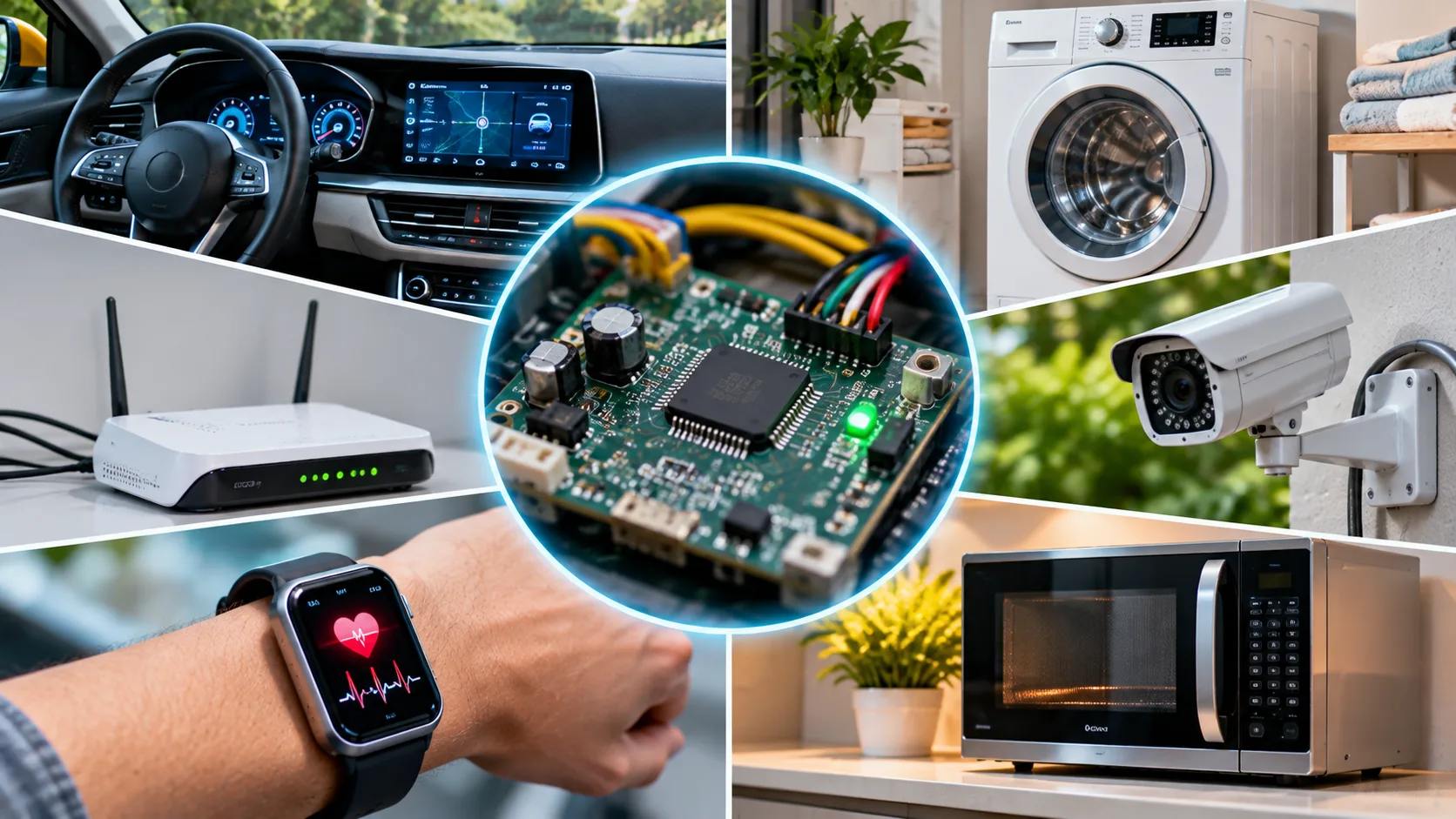
Embedded systems are part of everyday life, even though most people rarely notice them. From washing machines and microwave ovens to cars and smart home devices, these specialized computer systems control many familiar products. They help devices perform specific tasks automatically, efficiently, and reliably. Without embedded technology, many modern electronic products would be less convenient and capable.
So, what are embedded systems? Embedded systems are specialized computing systems designed to perform particular functions within larger electronic or mechanical devices. They combine hardware and software to monitor inputs, process information, and control operations. Unlike general-purpose computers, embedded systems usually focus on a limited set of dedicated responsibilities.
This guide explains how embedded systems work, their main components, different types, and practical examples. You will also learn about their advantages, limitations, applications, and role in modern technology. Whether you are a student, beginner, or technology enthusiast, understanding embedded systems can help you recognize the computing technology behind everyday devices.
What Are Embedded Systems?
Embedded systems are specialized computers integrated into larger devices to perform specific functions. They usually contain a processor, memory, software, and interfaces for communicating with other components. Their purpose is to control or monitor particular operations rather than perform unlimited computing tasks. Many embedded systems operate automatically with little direct user interaction.
For example, a microwave oven uses an embedded controller to manage cooking time, power settings, and user commands. A washing machine uses similar technology to coordinate water levels, drum movement, and wash cycles. These devices contain computing components, but their primary purpose is not general computing. Instead, the embedded systems support their intended functions.
Embedded systems can range from simple microcontroller-based circuits to powerful computing platforms. Some perform one repetitive task, while others coordinate several complex operations. Their design depends on available power, required performance, operating conditions, and cost. Understanding these differences helps explain why embedded computing appears in so many industries.
How Do Embedded Systems Work?
Embedded systems operate by receiving information, processing it according to programmed instructions, and producing an appropriate response. Inputs may come from buttons, sensors, communication interfaces, or other electronic components. The processor interprets these inputs using embedded software. It then controls connected hardware or sends information to another system.
Consider a digital thermostat that monitors room temperature. A temperature sensor provides measurements to the embedded controller. The controller compares those readings with the selected temperature and determines whether heating or cooling should operate. This process repeats as conditions change, helping maintain the desired environment.
Some embedded systems must respond within specific time limits. For example, certain automotive safety systems require rapid and predictable processing when particular conditions occur. Other devices can operate without strict timing requirements. The software and hardware architecture are selected according to the importance, speed, and reliability of each task.
Main Components of an Embedded System
An embedded system usually contains a processing unit that executes instructions and controls operations. This may be a microcontroller, microprocessor, or specialized system-on-chip. The processor communicates with memory and connected hardware components. Its capabilities determine how much information the system can process and which functions it can support.
Memory stores software instructions, temporary information, and operating data. Flash memory often holds firmware that remains available after power is removed. Random access memory provides temporary working space while the device operates. Different embedded products require different memory capacities depending on their complexity.
Input and output components allow embedded systems to interact with their surroundings. Sensors collect information such as temperature, pressure, motion, or light levels. Outputs may control motors, displays, indicators, or electronic switches. Communication interfaces can also connect the system with other devices, making coordinated operation possible.
Hardware and Software in Embedded Systems
Embedded hardware includes the physical electronic components responsible for processing information and interacting with devices. These components may include circuit boards, processors, memory chips, sensors, and communication modules. Hardware is selected according to performance requirements and environmental conditions. Compact size and low power consumption are often important design considerations.
Embedded software provides the instructions that determine how the hardware behaves. It may control simple actions, monitor sensor information, or coordinate complex processes. Many embedded products use firmware stored in non-volatile memory. This software is generally developed for the specific hardware and functions of the device.
Successful embedded system design requires close coordination between hardware and software. A program cannot perform correctly if the processor lacks sufficient memory or appropriate interfaces. Similarly, advanced hardware provides limited value without suitable software. Engineers must test both components together to ensure reliable operation under expected conditions.
Different Types of Embedded Systems
Embedded systems can be classified according to their operating requirements and intended applications. Common categories include standalone, real-time, networked, and mobile embedded systems. These categories sometimes overlap because one device may have several characteristics. Understanding them helps explain the variety of embedded technologies used in modern products.
Standalone embedded systems perform their primary functions without requiring a continuous connection to another computer. Examples include basic microwave controllers and digital calculators. Networked embedded systems communicate with other devices through wired or wireless connections. Smart home equipment and connected industrial sensors often fall into this category.
Real-time embedded systems must respond within defined timing requirements. Some deadlines are strict because missing them could cause serious problems. Mobile embedded systems operate within portable devices where battery efficiency and physical size matter. Each type requires different design decisions involving performance, reliability, communication, and energy consumption.
Examples of Embedded Systems in Everyday Life
Embedded systems appear in many household products that perform automatic or electronically controlled functions. Washing machines, refrigerators, microwave ovens, and air conditioners often contain dedicated controllers. These components manage operating modes, interpret user selections, and monitor relevant conditions. Their presence makes modern appliances more convenient and consistent.
Consumer electronics also depend heavily on embedded technology. Digital cameras use embedded processors to control image capture and device functions. Smart televisions contain computing systems that manage displays, connectivity, and multimedia features. Printers use controllers to coordinate printing operations and communicate with connected computers.
Other familiar examples include digital watches, fitness trackers, electronic door locks, and wireless routers. Each contains computing hardware designed around particular tasks. Some products also include general-purpose operating environments alongside embedded components. These examples demonstrate how specialized computing supports both simple and sophisticated electronic devices.
Embedded Systems in Home Appliances
Home appliances use embedded systems to coordinate functions that would otherwise require manual control. A washing machine may adjust water intake, drum movement, and cycle timing based on selected settings. Sensors can provide information about operating conditions. The controller then follows programmed rules to complete the washing process.
Refrigerators may use embedded controllers to monitor temperature and manage cooling components. Some advanced appliances also support displays, connectivity, and energy-saving features. Dishwashers use electronic systems to coordinate cleaning cycles and related functions. These capabilities help appliances perform their intended tasks consistently.
Embedded technology does not automatically make every appliance more efficient or reliable. Performance depends on the quality of hardware, software, sensors, and overall product design. Manufacturers must also consider cost and maintenance requirements. Well-designed embedded systems can improve convenience while supporting dependable appliance operation.
Embedded Systems in Cars and Vehicles
Modern vehicles use numerous embedded systems to manage different mechanical and electronic functions. Engine control units monitor operating conditions and adjust selected engine parameters. Other controllers manage braking assistance, climate control, and vehicle lighting. These systems often communicate through specialized automotive networks.
Safety-related applications are especially important because they require predictable behavior. Anti-lock braking systems use sensor information to help manage wheel braking under certain conditions. Airbag controllers also monitor inputs associated with potential collisions. Their design requires careful testing and compliance with applicable safety requirements.
Vehicles increasingly include connected features, driver assistance technologies, and sophisticated electronic displays. These functions depend on embedded processors, software, and communication systems. However, greater complexity can introduce cybersecurity and maintenance challenges. Automotive manufacturers must balance new capabilities with reliability, security, and safe operation.
Embedded Systems in Medical Devices
Medical equipment uses embedded technology to monitor information and control specialized functions. Examples include digital thermometers, patient monitoring equipment, and certain medical imaging systems. These devices use processors and sensors to collect or interpret relevant measurements. Their capabilities depend on the intended medical application.
Some medical devices must operate with very high reliability because incorrect behavior can affect patient safety. Engineers therefore use careful design procedures, testing, and risk management. Software and hardware may need to meet specific regulatory requirements. Medical embedded systems are evaluated according to their intended use and potential risks.
Connected medical devices may also communicate with hospital systems or approved monitoring platforms. This can improve information availability and support coordinated care. However, sensitive health information requires strong privacy and security protections. Reliable operation, appropriate access controls, and professional oversight remain essential in medical environments.
Embedded Systems in Industrial Automation
Factories and industrial facilities use embedded systems to monitor equipment and automate repetitive processes. Controllers may manage motors, temperature, pressure, and other operating conditions. Sensors provide real-time information about machinery and production environments. The system uses this information to perform programmed actions or notify operators.
Industrial embedded systems often operate in demanding environments involving vibration, temperature changes, or electrical interference. Hardware must be designed to withstand expected operating conditions. Reliability is particularly important when equipment runs continuously. Unexpected failures can interrupt production and create financial or safety concerns.
Industrial automation may combine embedded controllers with larger monitoring and management platforms. These arrangements support equipment coordination, performance analysis, and maintenance planning. However, automation requires suitable safeguards and human supervision. Secure communication and regular maintenance help industrial embedded systems operate dependably over time.
Embedded Systems in Smart Homes and IoT Devices
Smart home devices use embedded systems to connect everyday products with automated controls and communication features. Smart lights, thermostats, security sensors, and connected appliances contain specialized computing components. These devices may respond to user commands or information from sensors. Their functions can improve convenience and support coordinated household operations.
The Internet of Things, commonly called IoT, describes networks of physical devices that collect and exchange information. Many IoT products rely on embedded systems for local processing and connectivity. For example, a smart temperature sensor may send readings to a home automation platform. The platform can then coordinate supported devices according to configured rules.
Connected embedded devices also introduce cybersecurity and privacy considerations. Weak passwords, outdated firmware, and unnecessary permissions can create vulnerabilities. Manufacturers and users should prioritize secure updates and appropriate access controls. A reliable smart home depends on both functional automation and responsible device management.
Embedded Systems vs. General-Purpose Computers
Embedded systems and general-purpose computers both use processors, memory, and software. However, they are designed around different objectives. A general-purpose computer supports many applications, such as browsing, document editing, and programming. An embedded system usually performs a limited collection of functions within a larger device.
For example, a laptop can run different programs selected by its user. A basic washing machine controller is designed specifically to manage washing operations. It does not need the same flexibility or computing resources as a laptop. This specialization can reduce complexity, size, and energy requirements.
The distinction is not always absolute because some embedded devices run sophisticated operating systems and applications. Smart televisions and automotive infotainment systems can provide broad functionality while remaining integrated into specialized products. Their architecture may resemble general-purpose computers in certain ways. The main difference lies in the intended role and system design.
Microcontrollers vs. Microprocessors in Embedded Systems
Microcontrollers are integrated circuits that commonly combine a processor, memory, and peripheral interfaces on one chip. They are widely used in embedded devices that require compact, efficient control. Many operate with relatively low power consumption. Examples include controllers used in appliances, sensors, and simple automation equipment.
Microprocessors generally focus on computing capability and often rely on additional components for memory and peripheral functions. They can support more complex operating systems and demanding applications. Embedded products requiring advanced displays or substantial processing may use microprocessor-based designs. However, the boundary between these categories can vary with modern chip architectures.
Choosing between a microcontroller and microprocessor depends on the application. A simple temperature controller may need only modest processing resources. A sophisticated multimedia device may require significantly greater computing capability. Engineers consider power consumption, software requirements, cost, and hardware integration before selecting a suitable processing platform.
Real-Time Operating Systems in Embedded Devices
Some embedded systems use a real-time operating system, commonly called an RTOS. This software helps schedule tasks and manage resources while supporting predictable timing behavior. It is useful when multiple activities must be coordinated within defined deadlines. However, not every embedded device requires an operating system.
A real-time operating system may manage sensor readings, communication tasks, and control functions. It helps prioritize important activities and coordinate access to shared resources. The goal is predictable operation rather than simply completing tasks as quickly as possible. Timing requirements depend on the application and potential consequences of delays.
Simple embedded systems may operate through a continuous program loop without a dedicated operating system. More complex devices may use an RTOS or a general-purpose operating system such as embedded Linux. Each approach offers different advantages. Developers select the architecture according to performance, memory, reliability, and software complexity.
Programming Languages Used in Embedded Systems
Embedded systems are commonly programmed using languages that provide efficient control over hardware. C remains widely used because it supports direct interaction with memory and device interfaces. C++ is also important for systems requiring additional software organization features. The appropriate language depends on hardware capabilities and project requirements.
Assembly language may be used in specialized situations where precise hardware control or particular optimizations are necessary. Python and MicroPython can support certain embedded platforms, especially for learning and prototyping. Rust is also gaining interest for systems programming because of its memory safety features. However, platform support varies.
Embedded programming requires understanding more than language syntax. Developers must consider memory limits, timing behavior, hardware registers, and communication interfaces. Debugging can also be challenging when devices provide limited diagnostic information. Practical projects help beginners understand how software interacts with real electronic components.
Advantages of Embedded Systems
One major advantage of embedded systems is their ability to perform dedicated tasks efficiently. Because they are designed around specific requirements, they may use less processing power and memory than general-purpose computers. This specialization can reduce cost and energy consumption. It also supports compact electronic product designs.
Embedded systems can provide predictable control when properly designed and tested. They are useful for monitoring conditions, processing sensor information, and responding automatically. Some operate continuously without requiring frequent user interaction. These capabilities make them valuable in household appliances, vehicles, industrial equipment, and other applications.
Another advantage is the flexibility to integrate computing functions into many different products. Manufacturers can develop devices that respond intelligently to environmental conditions or user preferences. However, benefits depend on suitable engineering choices. Poor hardware or software design can reduce reliability regardless of how specialized the system is.
Limitations and Challenges of Embedded Systems
Embedded systems often operate with limited memory, processing power, and energy resources. Developers must design software carefully to fit these restrictions. Complex tasks may be difficult to implement on inexpensive microcontrollers. Choosing suitable hardware early in development helps prevent unnecessary performance problems.
Updating embedded software can also create challenges. Some products have limited connectivity or lack convenient update mechanisms. Older devices may become difficult to maintain when vulnerabilities or compatibility issues appear. Reliable firmware updates require careful testing because failed changes can affect device operation.
Security is another concern, particularly for connected embedded devices. Weak authentication, outdated components, and insecure communication may expose systems to unauthorized access. Organizations should include security planning throughout product development. Appropriate testing, monitoring, and maintenance help reduce risks and improve long-term reliability.
How to Start Learning Embedded Systems
Learning embedded systems begins with understanding basic electronics and programming concepts. Beginners should become familiar with voltage, current, digital signals, and simple circuits. Learning C programming can provide a useful foundation for working with microcontrollers. Understanding processors, memory, and input-output operations is equally important.
Small practical projects can make embedded concepts easier to understand. A beginner might create an LED controller, read information from a temperature sensor, or build a simple electronic timer. These activities demonstrate how software controls physical components. Educational development boards can simplify experimentation when used according to appropriate safety guidance.
After mastering basic projects, learners can explore communication protocols, embedded operating systems, and more advanced programming techniques. Documentation and debugging tools become increasingly important as projects grow. Consistent practice helps connect theoretical knowledge with practical implementation. Building a small portfolio can also support future educational or career opportunities.
The Future of Embedded Systems
Embedded systems continue evolving as semiconductor technology becomes more capable and energy efficient. Modern processors can support increasingly sophisticated applications within compact devices. Improvements in wireless connectivity also allow more products to communicate with larger systems. These developments influence consumer electronics, transportation, manufacturing, and many other industries.
Artificial intelligence is becoming an important area of embedded computing. Some devices can run selected machine learning models locally rather than sending every task to remote servers. This approach is often called edge AI. It may support faster responses or reduced network dependence, depending on the application and hardware.
Future embedded systems will also face greater expectations for security, reliability, and software maintenance. Connected devices require appropriate protection throughout their useful lives. Manufacturers must consider energy consumption and long-term support alongside new capabilities. Successful embedded technology will combine practical functionality with responsible engineering and dependable operation.
Conclusion
Understanding what are embedded systems helps explain how many familiar electronic products operate. These specialized computing systems combine hardware and software to perform dedicated tasks within larger devices. From household appliances to vehicles and industrial equipment, embedded technology supports automatic control and reliable electronic functions.
Embedded systems vary in complexity, processing power, and operating requirements. Some use simple microcontrollers, while others rely on advanced processors and real-time operating systems. Their benefits include efficient operation, compact design, and specialized functionality. However, developers must also address memory limitations, security concerns, and maintenance challenges.
As connected devices and intelligent technologies continue developing, embedded systems will remain essential to modern electronics. Learning their basic components and operating principles provides a useful foundation for understanding computer engineering. With practical examples and continued study, beginners can explore how embedded computing shapes everyday life.
Frequently Asked Questions
What are embedded systems in simple words?
Embedded systems are small, specialized computers built into larger devices to perform particular tasks. They use hardware and software to control functions in products such as washing machines, cars, and digital cameras.
What are five examples of embedded systems?
Five common examples are microwave ovens, washing machines, digital thermostats, car engine controllers, and smart door locks. Each uses computing components to perform dedicated functions within a larger device.
What is the difference between embedded systems and computers?
General-purpose computers run many different applications selected by users. Embedded systems usually perform specific functions within electronic products. However, some advanced embedded devices also support complex operating systems and applications.
Which programming language is best for embedded systems?
C is widely used because it provides efficient hardware control and works across many microcontroller platforms. C++, Rust, and other languages are also useful depending on the hardware and application.
Are embedded systems part of the Internet of Things?
Many IoT devices contain embedded systems that collect information, control hardware, and communicate over networks. However, not every embedded system is connected to the internet, and some operate completely independently.