
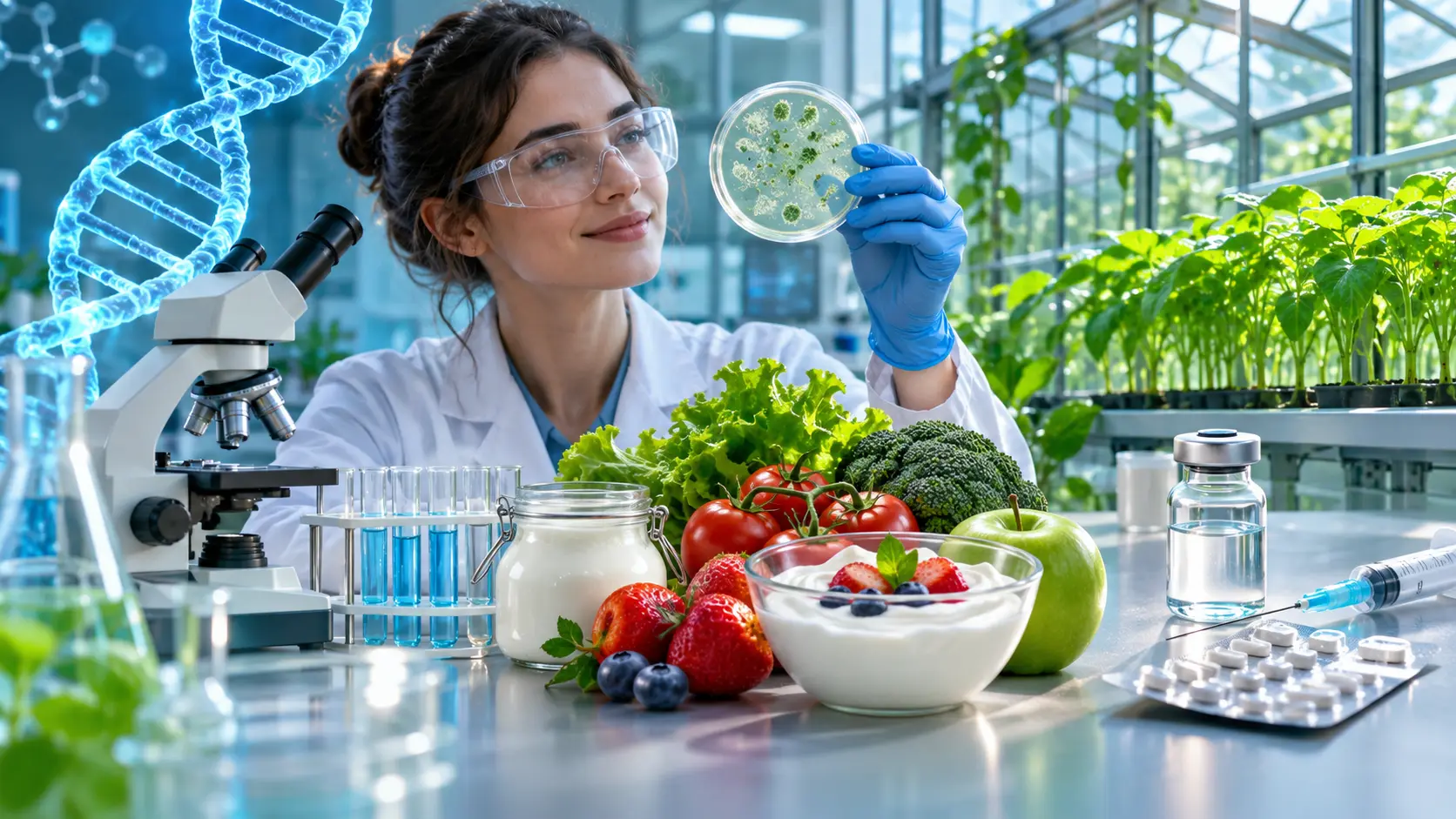
Biotechnology plays an important role in modern life, yet many people do not realize how often they encounter it. From the medicines used to treat diseases to the yogurt in your refrigerator, biotechnology contributes to products and processes we use every day. However, scientific terminology can make the subject difficult to understand. Learning what is biotechnology and how it is used in everyday life can help you recognize its practical benefits and growing importance.
Biotechnology combines biology with technology to develop useful products, improve existing processes, and address real-world problems. It involves living organisms, cells, enzymes, and biological systems to support industries such as healthcare, agriculture, food production, and environmental management. Some biotechnology methods have existed for thousands of years, while others use advanced genetic research. This guide explains biotechnology in simple words, explores its main types, and highlights practical examples from everyday life.
What Is Biotechnology?
Biotechnology is the use of living organisms, biological systems, or parts of organisms to create useful products and technologies. It combines knowledge from biology, chemistry, genetics, and engineering. Scientists and industries use biotechnology to develop medicines, improve crops, and manufacture everyday products. The field includes both traditional techniques and advanced scientific methods.
Traditional biotechnology includes processes such as fermentation, which people have used for centuries to produce foods. Modern biotechnology involves more specialized methods, including cell culture, genetic engineering, and molecular diagnostics. Although these approaches differ in complexity, they share the goal of using biological processes for practical purposes. This makes biotechnology a broad scientific field.
Biotechnology is not limited to laboratories or pharmaceutical companies. It is also used in agriculture, food manufacturing, industrial production, and environmental protection. Many everyday products depend on biological processes during manufacturing. Understanding these applications helps explain why biotechnology has become important across several industries.
How Does Biotechnology Work?
Biotechnology works by using biological processes to perform specific tasks or produce useful substances. Living cells, microorganisms, and enzymes can carry out chemical reactions that would otherwise require different manufacturing methods. Scientists study these processes and identify ways to use them efficiently. The exact approach depends on the desired product.
For example, microorganisms can convert sugars into other substances through fermentation. This process is used in food production and certain industrial applications. In medicine, researchers may use specially prepared cells to produce therapeutic proteins. These examples demonstrate how biological systems can support different human needs.
Modern biotechnology may also involve changing or analyzing genetic information. Scientists can study genes to understand biological functions or develop specific products. However, not every biotechnology application involves genetic modification. Many widely used methods rely on naturally occurring organisms and biological reactions.
Traditional Biotechnology vs. Modern Biotechnology
Traditional biotechnology uses biological processes that people developed long before modern genetics existed. Fermentation is one of the clearest examples. Microorganisms help produce foods such as yogurt, cheese, and bread. These methods are still widely used because they remain useful and practical.
Modern biotechnology uses advanced scientific tools to study and work with biological systems. Techniques may include genetic engineering, cell culture, molecular testing, and protein production. These methods allow researchers to investigate biological processes in greater detail. They have contributed to developments in medicine, agriculture, and industry.
Both traditional and modern biotechnology remain important. Traditional methods support many familiar food products, while modern methods enable specialized medical treatments and scientific research. The difference is mainly in the tools and level of biological understanding involved. Both approaches demonstrate how living systems can provide useful solutions.
Main Types of Biotechnology
Biotechnology is often divided into categories according to its applications. Red biotechnology generally refers to medical and healthcare uses. Green biotechnology focuses on agriculture and plant-related applications. White biotechnology involves industrial processes that use biological systems to manufacture products.
Blue biotechnology focuses on marine and aquatic organisms. Researchers may study these organisms for useful compounds, enzymes, and other biological resources. Gray biotechnology is commonly associated with environmental applications, including pollution management. These color categories help describe the field but are not rigid scientific boundaries.
Many biotechnology projects involve more than one category. For example, microorganisms may be used in industrial production while also supporting environmental goals. Agricultural research can also involve medical or industrial technologies. Understanding the major categories makes it easier to recognize biotechnology across different areas of everyday life.
Biotechnology in Medicine and Healthcare
Healthcare is one of the most important applications of modern biotechnology. Biological systems are used to develop certain medicines, diagnostic tests, and treatment technologies. Some pharmaceutical products are manufactured using cultured cells or microorganisms. These methods have expanded the range of available medical treatments.
Biotechnology contributes to the production of insulin, certain vaccines, monoclonal antibodies, and other biological medicines. It also supports laboratory tests that detect specific genetic material or biological markers. These technologies help healthcare professionals investigate diseases and select appropriate treatment options. However, individual medical decisions still require qualified clinical judgment.
Biotechnology also supports research into new treatments for complex diseases. Scientists study cells, proteins, and genetic information to understand how conditions develop. Research can lead to new medicines or improved diagnostic methods. Although promising, experimental technologies must undergo appropriate safety and effectiveness evaluation before routine medical use.
How Biotechnology Is Used in Making Medicines
Many modern medicines depend on biological manufacturing processes. Scientists may use living cells to produce specific proteins that are useful in treatment. These proteins are then purified and processed under controlled conditions. The manufacturing process requires careful quality testing to ensure consistency and safety.
Insulin is a well-known example of biotechnology in medicine. Certain forms of human insulin are produced using genetically engineered microorganisms. This approach allows manufacturers to make insulin through established biological production methods. The resulting medicine must meet strict pharmaceutical quality standards before use.
Biotechnology is also involved in producing some treatments for inflammatory diseases and cancers. These medicines may target particular biological processes. However, they are not suitable for every patient or condition. Healthcare professionals determine when specific treatments are appropriate based on medical evidence and individual needs.
Biotechnology in Vaccines and Disease Prevention
Biotechnology contributes to the development and manufacturing of several types of vaccines. Some vaccines use recombinant proteins, while others use genetic instructions that help the body recognize a particular pathogen. Different approaches are selected according to the disease and vaccine design. All authorized vaccines must meet applicable regulatory standards.
Researchers use biotechnology to study infectious organisms and identify biological components that may support immune protection. Laboratory techniques also help evaluate vaccine responses. These methods have expanded the tools available for vaccine development. However, developing a vaccine still requires extensive testing and monitoring.
Biotechnology also supports certain diagnostic technologies used to identify infections. Molecular tests can detect genetic material from specific organisms. Such tests may help clinicians make decisions when used appropriately. Together, diagnostic and preventive technologies demonstrate biotechnology’s important contribution to public health.
Biotechnology in Food Production
Food production is one of the most familiar examples of biotechnology in everyday life. Many foods depend on microorganisms or biological processes during manufacturing. Yogurt, cheese, bread, and several fermented foods are common examples. These products demonstrate that biotechnology includes long-established techniques.
During yogurt production, selected bacteria ferment lactose and produce lactic acid. This changes the milk’s texture and flavor. Bread production commonly uses yeast to generate carbon dioxide, which helps dough rise. These processes rely on controlled biological activity rather than advanced genetic engineering.
Modern food biotechnology can also involve enzymes used during processing. Certain enzymes help improve production efficiency, texture, or consistency. Food manufacturers must follow relevant safety and quality requirements. These applications show how biological systems contribute to making familiar foods on a commercial scale.
Biotechnology in Agriculture and Crop Production
Agricultural biotechnology helps researchers and farmers develop crops with useful characteristics. It includes conventional biological methods, tissue culture, molecular breeding tools, and genetic engineering. Different methods support different agricultural goals. These may involve improving crop quality, disease resistance, or tolerance to certain environmental conditions.
Plant tissue culture allows selected plant material to grow under controlled laboratory conditions. It can be used to produce planting material and support research. Molecular methods may help breeders identify useful genetic traits. These tools can complement traditional breeding programs.
Genetically modified crops represent another application of agricultural biotechnology. Some have been developed for resistance to particular insects or tolerance to specific herbicides. Their benefits and limitations depend on the crop and farming conditions. Regulatory assessments and appropriate management remain important parts of agricultural biotechnology.
Biotechnology in Everyday Household Products
Biotechnology contributes to household products that people may use without recognizing their biological origins. Certain laundry detergents contain enzymes that help break down common stains. These enzymes work on substances such as proteins, fats, and starches. Their use can improve cleaning performance under suitable conditions.
Some household and personal care products also use ingredients made through fermentation. Biological manufacturing can produce particular compounds that are then incorporated into formulated products. However, not every household product described as natural or biological is a biotechnology product. Ingredient sources and manufacturing methods differ.
Biotechnology can also support more efficient industrial processes for producing certain everyday materials. Enzymes may reduce the need for some harsh processing conditions in selected applications. The environmental benefits depend on the complete manufacturing process. Understanding these differences helps consumers interpret product claims more carefully.
Biotechnology in Skincare and Cosmetics
The cosmetics industry uses biotechnology to produce certain ingredients and investigate skin-related biological processes. Fermentation can help manufacture compounds used in moisturizers and other skincare products. Some ingredients are produced using microorganisms under controlled conditions. These methods can provide alternatives to extracting substances directly from natural sources.
Hyaluronic acid is an example of an ingredient that can be manufactured through microbial fermentation. It is commonly used in skincare formulations because of its water-binding properties. Other biotechnology-derived ingredients may appear in creams, serums, and personal care products. Their effectiveness depends on the complete formulation.
Biotechnology does not automatically make a cosmetic product safer or more effective. Marketing terms may exaggerate the significance of a particular ingredient or process. Product quality, testing, and individual skin tolerance remain important. Consumers should evaluate skincare claims based on reliable evidence rather than scientific-sounding descriptions.
Biotechnology in Environmental Protection
Environmental biotechnology uses biological systems to support pollution management, waste treatment, and other environmental processes. Microorganisms can help break down certain substances under suitable conditions. These biological processes are already used in several established environmental applications. Their effectiveness depends on the materials involved and operating conditions.
Wastewater treatment is a familiar example. Certain treatment systems use microorganisms to break down organic matter in wastewater. This helps reduce pollutants before water is discharged or undergoes further treatment. The process requires monitoring to maintain appropriate conditions.
Biotechnology is also being studied for managing selected industrial pollutants and contaminated environments. However, biological treatments do not work for every substance or contamination problem. Some materials remain difficult to break down. Environmental biotechnology is most effective when combined with suitable engineering, monitoring, and regulatory controls.
Biotechnology in Biofuels and Renewable Energy
Biotechnology contributes to the production of certain renewable fuels through biological processes. Microorganisms can convert suitable raw materials into compounds used as fuels. Bioethanol production is one established example. Fermentation plays an important role in converting sugars into ethanol.
Biogas production is another application that uses microorganisms. Under oxygen-free conditions, microbial communities break down organic materials and produce a gas mixture containing methane. This gas can be used as an energy resource after appropriate processing. Agricultural and food wastes may serve as feedstocks.
However, biofuels are not automatically environmentally sustainable. Their overall impact depends on land use, feedstock production, energy requirements, and other factors. Some approaches offer benefits under suitable conditions, while others involve trade-offs. Evaluating the complete production system is important when considering biotechnology-based energy solutions.
Biotechnology in Forensic Science and DNA Testing
Biotechnology supports forensic science through techniques used to analyze biological evidence. DNA analysis can help investigators compare genetic profiles under appropriate legal and scientific procedures. These methods rely on molecular biology and laboratory technology. Their accuracy depends on sample quality and proper testing processes.
DNA testing is also used in certain family relationship and identity-related applications. Laboratories analyze selected genetic markers to assess biological relationships or compare samples. Results must be interpreted according to the testing method and relevant limitations. Different tests provide different levels of information.
The use of genetic information raises important privacy and ethical questions. DNA data can contain sensitive information about individuals and biological relatives. Secure handling and informed consent are therefore important. Biotechnology provides useful analytical tools, but responsible use requires appropriate safeguards.
Biotechnology in Animal Health and Veterinary Medicine
Veterinary medicine uses biotechnology to support animal healthcare, diagnostics, and disease prevention. Certain vaccines and diagnostic tests rely on biological manufacturing methods. These technologies help veterinarians identify and manage health conditions in animals. Applications vary across pets, livestock, and other animal populations.
Biotechnology also contributes to research into animal genetics and reproduction. Genetic testing can provide information relevant to some inherited conditions. However, the usefulness of a test depends on the species, condition, and quality of the evidence. Veterinary professionals help interpret results appropriately.
In livestock management, biotechnology may support disease monitoring and selected breeding programs. These applications can influence animal health and agricultural productivity. However, ethical considerations and animal welfare remain important. Responsible use should consider the well-being of animals alongside practical objectives.
Advantages of Biotechnology in Everyday Life
One major advantage of biotechnology is its ability to produce useful substances through biological processes. These methods support medicines, foods, agricultural products, and selected industrial materials. In some applications, they allow production methods that would otherwise be difficult or inefficient. Their value depends on the particular technology.
Biotechnology also supports scientific understanding of diseases and biological functions. Researchers can study cells and genetic information to investigate medical problems. In agriculture, biological tools can support crop development and disease monitoring. These contributions demonstrate the field’s broad practical importance.
Another advantage is the possibility of improving selected manufacturing and environmental processes. Biological production may offer benefits such as reduced processing temperatures or alternative raw materials. However, advantages must be assessed against costs and other impacts. Biotechnology is useful because of its specific applications, not because every biological method is automatically superior.
Limitations and Challenges of Biotechnology
Biotechnology involves scientific, financial, and practical challenges. Developing new medicines or agricultural products can require significant research and testing. Manufacturing biological products also demands careful quality control. Small changes in biological processes may affect the final product.
Safety and environmental concerns differ according to the technology being used. For example, genetically modified crops require evaluation of relevant agricultural and environmental effects. Medical biotechnology products must undergo appropriate testing before authorization. These assessments help identify potential benefits and risks.
Access and affordability are additional concerns. Some biotechnology-based treatments are expensive or difficult to distribute widely. Agricultural technologies may also be less accessible to smaller producers. Addressing these challenges requires scientific development, effective regulation, and practical solutions that consider different communities.
Biotechnology vs. Genetic Engineering
Biotechnology and genetic engineering are related but not identical concepts. Biotechnology describes a broad field that uses living organisms or biological processes for practical applications. Genetic engineering is a specific set of techniques used to modify genetic material. Therefore, genetic engineering is one part of modern biotechnology.
Traditional fermentation is an example of biotechnology that does not necessarily require genetic engineering. Similarly, some tissue culture and diagnostic techniques can be performed without altering an organism’s genetic material. These examples show that biotechnology includes many different methods. The broader field existed long before modern gene-editing technologies.
Genetic engineering can be used in selected medical, agricultural, and industrial applications. However, its suitability depends on the intended outcome and regulatory environment. Not every problem requires genetic modification. Understanding the distinction helps avoid confusion when discussing biotechnology products and scientific developments.
The Future of Biotechnology
Biotechnology research continues to advance across healthcare, agriculture, and industrial production. Scientists are investigating new ways to understand biological systems and develop useful technologies. Areas of interest include personalized medicine, advanced diagnostics, and improved biological manufacturing. However, research progress does not always lead directly to commercial products.
Gene editing and cell-based therapies are among the fields receiving significant scientific attention. Researchers are studying how these technologies may address certain diseases and biological challenges. Agricultural biotechnology is also exploring ways to support crop resilience and productivity. Each application requires appropriate testing and evaluation.
The future of biotechnology will depend on scientific advances, regulation, affordability, and public trust. Ethical considerations will remain important as biological technologies become more sophisticated. Responsible innovation requires evaluating both benefits and potential risks. With careful development, biotechnology may continue contributing to many areas of everyday life.
Conclusion
Biotechnology is the application of living organisms, cells, enzymes, and biological processes to develop useful products and technologies. It is already part of everyday life through medicines, food production, agriculture, and household products. Both traditional techniques and modern scientific methods contribute to these applications. Understanding biotechnology helps explain how biological science supports familiar activities.
The field also plays important roles in healthcare research, environmental management, renewable energy, and veterinary medicine. These applications can provide practical benefits, but they also involve scientific and ethical challenges. Not every biotechnology product offers the same advantages or risks. Careful research and regulation remain essential.
As biotechnology continues to develop, its applications may become even more important across different industries. Learning its basic principles provides a useful foundation for understanding modern science and technology. From fermented foods to advanced medicines, biotechnology demonstrates the practical value of biological knowledge. Its greatest potential lies in developing solutions that are effective, responsible, and useful.
Frequently Asked Questions (FAQs)
What is biotechnology in simple words?
Biotechnology means using living organisms, cells, or biological processes to create useful products. Common examples include making yogurt, producing certain medicines, improving crops, and treating wastewater.
What are five examples of biotechnology in everyday life?
Five everyday examples include yogurt fermentation, yeast used in bread making, biotechnology-produced insulin, enzyme-based laundry detergents, and biological wastewater treatment. Each uses living organisms or biological substances for practical purposes.
How is biotechnology used in medicine?
Biotechnology helps produce medicines such as certain forms of insulin, vaccines, and monoclonal antibodies. It also supports diagnostic testing, genetic research, and the development of selected medical treatments.
Is biotechnology the same as genetic engineering?
No. Biotechnology is a broad field involving biological systems and processes. Genetic engineering is one specialized method within biotechnology that involves modifying genetic material for particular scientific or practical purposes.
Why is biotechnology important in everyday life?
Biotechnology contributes to healthcare, food production, agriculture, environmental protection, and manufacturing. It supports useful products and processes while helping researchers investigate biological problems and develop new technologies.