
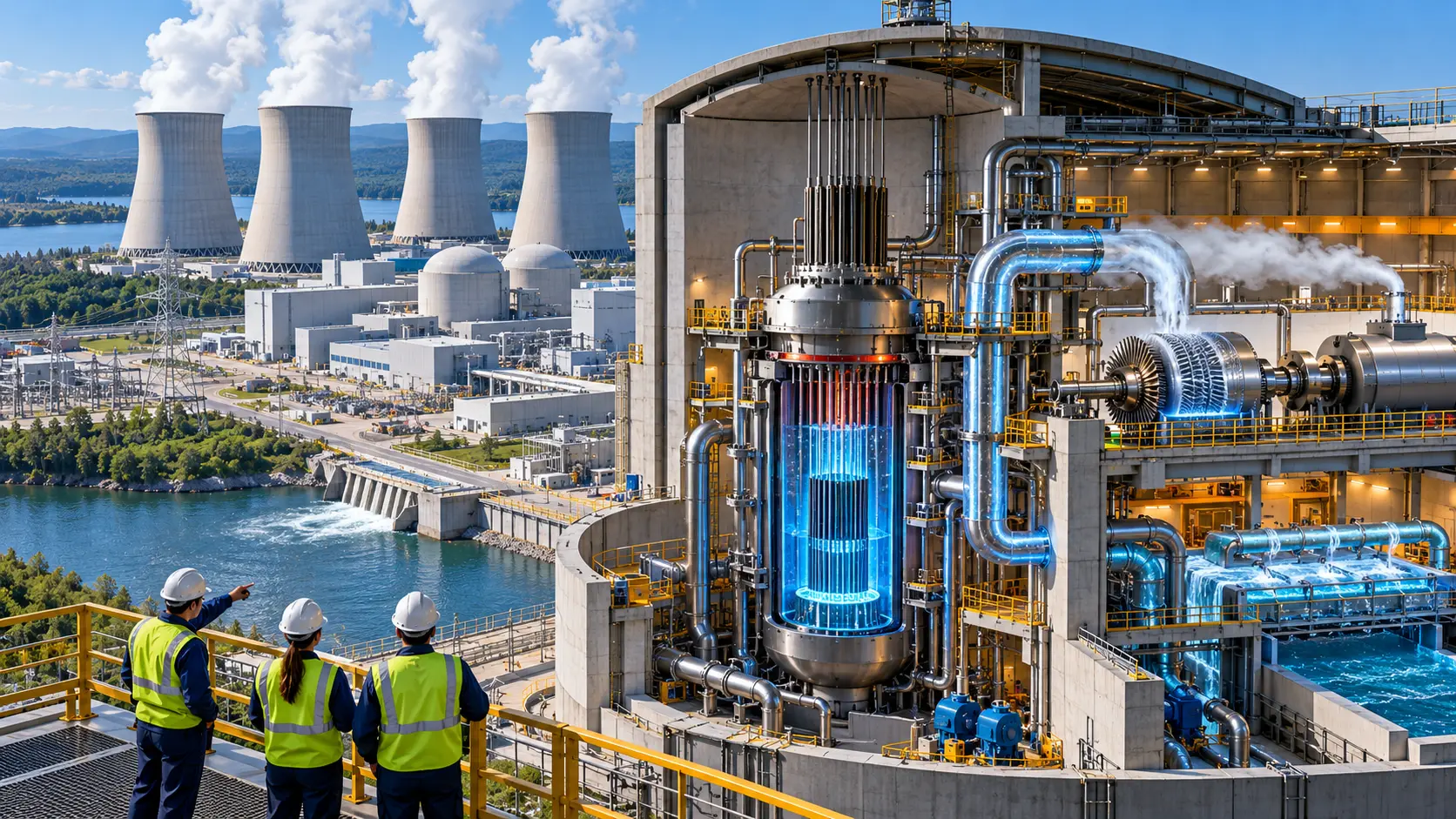
Nuclear energy is one of the most powerful sources of electricity used around the world. It comes from the energy stored inside atoms and can generate large amounts of electricity without burning fossil fuels. Nuclear power plants use specialized reactors to release this energy through controlled processes, making nuclear technology an important part of modern electricity generation.
Many people wonder how nuclear energy works and what happens inside a nuclear reactor. Unlike coal or natural gas power plants, nuclear facilities produce heat through reactions involving atomic nuclei rather than combustion. This heat is used to produce steam, which drives turbines connected to electrical generators.
Understanding what nuclear energy is and how a nuclear reactor works helps explain its role in electricity production, environmental protection, and energy security. This guide explores nuclear fission, reactor components, electricity generation, safety systems, radioactive waste, and the advantages and disadvantages of nuclear power.
What Is Nuclear Energy?
Nuclear energy is the energy associated with the nucleus of an atom, which contains protons and neutrons. This energy can be released when atomic nuclei undergo certain changes, such as splitting apart or combining. Nuclear power plants currently generate electricity primarily through nuclear fission, a process that releases energy when heavy atomic nuclei split into smaller fragments.
The energy released during nuclear reactions is much greater per unit of fuel than the energy produced through ordinary chemical reactions. This is because nuclear processes involve changes in the binding energy that holds atomic nuclei together. A small amount of nuclear fuel can therefore produce a substantial amount of heat.
Nuclear energy has several applications beyond commercial electricity generation. It contributes to scientific research, medical technologies, and certain industrial activities. However, nuclear electricity production remains one of its most widely recognized uses because reactors can provide substantial amounts of power through controlled fission reactions.
How Does Nuclear Energy Work?
Nuclear energy production begins when certain atomic nuclei absorb neutrons and undergo fission. Uranium-235 is one of the most important isotopes used in commercial nuclear reactors because it can split after absorbing a neutron. This process releases heat, radiation, and additional neutrons that may cause further fission events.
When neutrons released by one fission event produce additional fission reactions, the process is called a nuclear chain reaction. Inside a power reactor, this chain reaction is carefully controlled to maintain a stable rate of energy production. Specialized reactor systems regulate neutron activity while removing the heat generated inside the reactor core.
The heat is transferred through a cooling system and eventually used to produce steam for electricity generation. Steam turns a turbine connected to a generator, converting mechanical energy into electrical energy. Although the heat source differs from fossil fuel power plants, the turbine and generator principles are similar.
What Is a Nuclear Reactor?
A nuclear reactor is a specialized system designed to maintain and control nuclear fission reactions. Its primary purpose in a commercial nuclear power plant is to produce heat that can be used to generate electricity. Reactor designs include several protective systems that regulate the reaction and manage the resulting thermal energy.
The reactor core contains nuclear fuel arranged in specially designed assemblies. Additional components help control neutron activity, transfer heat, and maintain safe operating conditions. These components work together as part of an engineered system that includes monitoring equipment, cooling arrangements, and protective barriers.
Different types of nuclear reactors use different cooling materials, operating pressures, and engineering arrangements. However, their fundamental purpose remains similar: generating usable heat through controlled nuclear fission. Commercial reactors are operated under strict regulatory requirements because nuclear reactions involve radiation and materials that require careful management.
Understanding Nuclear Fission
Nuclear fission occurs when a heavy atomic nucleus splits into two smaller nuclei after becoming unstable. This process releases energy, additional neutrons, and radioactive fission products. Uranium-235 is commonly associated with nuclear electricity production because its fission characteristics make it suitable for controlled reactor operations.
The energy released during fission appears mainly as kinetic energy carried by the resulting nuclear fragments. These fragments interact with surrounding material, transferring energy and generating heat. Additional neutrons may contribute to further fission reactions, allowing energy production to continue under controlled conditions.
Fission is different from ordinary combustion because it changes atomic nuclei rather than rearranging electrons in chemical bonds. This distinction explains why nuclear fuel contains such a concentrated source of usable energy. The process also produces radioactive materials that must be carefully contained, monitored, and managed.
Main Components of a Nuclear Reactor
A nuclear reactor contains several important components that support controlled energy generation. These include the reactor core, fuel assemblies, control rods, coolant systems, and protective structures. Each component performs a specific function in regulating nuclear reactions, removing heat, or maintaining safe operating conditions.
Fuel assemblies contain the material that undergoes nuclear fission, while control rods help regulate reactor activity by absorbing neutrons. The coolant removes heat from the reactor core and transfers it to another part of the power generation system. Some reactor designs also use a moderator to slow neutrons and support efficient fission reactions.
Protective systems surround and support these major components. Monitoring instruments track important operating conditions, while engineered safety features provide additional layers of protection. The design and arrangement of these components vary between reactor types, reflecting different engineering approaches to electricity generation.
What Is Nuclear Fuel?
Nuclear fuel is a material used to sustain energy-producing nuclear reactions inside a reactor. Uranium is the most widely used fuel in commercial nuclear power plants. Naturally occurring uranium contains several isotopes, including uranium-238 and smaller amounts of uranium-235, which is particularly important for many reactor designs.
In many commercial reactors, uranium is manufactured into small ceramic fuel pellets that are placed inside sealed metal tubes. These tubes form fuel rods, which are grouped into larger fuel assemblies. The arrangement helps contain radioactive materials while allowing heat to move from the fuel into the surrounding coolant.
Nuclear fuel remains inside a reactor for an extended operating period before requiring replacement. As the fuel is used, its composition changes and radioactive byproducts accumulate. Spent fuel must therefore be handled through specialized systems that provide radiation shielding, cooling, and secure storage.
How Does a Nuclear Reactor Generate Electricity?
A nuclear reactor generates electricity by producing heat through controlled fission reactions. This heat is transferred to water or another suitable working fluid through an engineered cooling system. The resulting thermal energy supports steam generation, which drives the mechanical equipment responsible for producing electricity.
The steam flows through a turbine, causing its blades to rotate. The turbine is connected to an electrical generator that converts rotational mechanical energy into electrical energy through electromagnetic induction. After passing through the turbine, the steam is cooled and condensed so the working fluid can be reused.
Electricity from the generator is transferred through electrical equipment and delivered to the power grid. The overall process converts nuclear energy into thermal energy, then mechanical energy, and finally electrical energy. This sequence is similar to other thermal power plants, although nuclear facilities use fission rather than burning fuel to generate heat.
Different Types of Nuclear Reactors
Nuclear reactors are available in several designs, each using different engineering approaches to heat transfer and reactor operation. Pressurized water reactors and boiling water reactors are among the most common types used for commercial electricity generation. Both use water in important cooling and energy transfer functions.
Pressurized water reactors keep their primary cooling water under high pressure so it remains liquid during normal operation. Heat from this circuit is transferred to a separate system that produces steam. Boiling water reactors instead generate steam within the reactor vessel, using it as part of the electricity production process.
Other designs include heavy-water reactors, gas-cooled reactors, and advanced reactor concepts under development. These systems may use different coolants, moderators, or fuel arrangements. Although their technologies vary, they share the goal of managing nuclear reactions and converting the released heat into useful energy.
What Are Control Rods in a Nuclear Reactor?
Control rods are components used to regulate nuclear fission reactions by absorbing neutrons. They contain materials selected for their ability to capture neutrons within the reactor environment. By changing how many neutrons remain available to sustain fission, control systems can influence the reactor’s power output.
During normal operation, reactor control systems maintain appropriate conditions for stable electricity generation. Control rods are one important part of this process, working alongside monitoring equipment and other reactor characteristics. The exact control method depends on the reactor design and its engineering specifications.
Control rods also contribute to reactor shutdown systems designed to stop the sustained chain reaction when necessary. However, stopping fission does not immediately eliminate all heat production because radioactive materials continue to release decay heat. Cooling and other safety systems therefore remain important after the reactor has shut down.
What Is the Role of Coolant in Nuclear Reactors?
Coolant is essential because it transfers heat away from the nuclear fuel and prevents excessive temperatures inside the reactor core. Water is widely used in commercial nuclear reactors, although other designs use gases or specialized liquids. The coolant system operates according to the reactor’s engineering requirements and safety standards.
In water-cooled reactors, thermal energy moves from the fuel into circulating water. Depending on the reactor design, this energy either produces steam directly or passes through a separate heat exchange system. The transferred heat eventually supports turbine operation and electricity generation.
Reactor cooling systems also play a major role in safety because heat continues to be generated after the fission chain reaction stops. Emergency and backup cooling arrangements are designed to manage appropriate conditions during abnormal events. These protective systems are essential parts of modern nuclear power plant engineering.
Advantages of Nuclear Energy
One of the biggest advantages of nuclear energy is its ability to generate large amounts of electricity with very low direct greenhouse gas emissions. Unlike fossil fuel power plants, nuclear reactors do not burn coal, oil, or natural gas during electricity production. This makes nuclear power an important option for reducing emissions associated with electricity generation.
Nuclear power plants also provide reliable electricity because they can operate continuously for extended periods. Their output is not directly dependent on daily changes in sunlight or wind conditions. This predictable generation can support electricity grids that include variable renewable energy sources such as solar and wind.
Another advantage is the high energy density of nuclear fuel. Relatively small quantities of fuel can produce substantial electricity compared with conventional fossil fuels. Nuclear plants also require regular maintenance and complex infrastructure, but their ability to provide concentrated, continuous power makes them valuable in certain electricity systems.
Disadvantages of Nuclear Energy
Despite its benefits, nuclear energy has several important disadvantages. Building a commercial nuclear power plant requires substantial financial investment, specialized engineering, and extensive regulatory review. Construction projects can take many years, and delays or cost increases may affect the economic competitiveness of nuclear electricity.
Radioactive waste management is another significant challenge because some nuclear materials remain hazardous for very long periods. Spent nuclear fuel requires specialized storage, transportation, and eventual disposal arrangements. Countries using nuclear power must establish regulations and long-term strategies to manage these materials responsibly.
Nuclear accidents are also an important safety concern, although modern power plants include multiple protective systems. Severe incidents can have environmental, economic, and public health consequences. Maintaining safe operations requires professional training, independent oversight, emergency preparedness, and continuous improvements to reactor technology.
Is Nuclear Energy Renewable or Nonrenewable?
Nuclear energy is generally classified as a nonrenewable energy source because most commercial reactors use uranium extracted from finite natural deposits. Although uranium contains highly concentrated energy, it is not replenished on human timescales in the same way as sunlight or wind. This distinguishes conventional nuclear power from renewable electricity sources.
However, nuclear energy is also considered a low-carbon electricity source because routine reactor operation produces very little direct greenhouse gas pollution. These two classifications describe different characteristics. Renewable energy refers to how the energy resource is replenished, while low-carbon electricity refers to emissions associated with producing electrical power.
Some advanced nuclear technologies explore alternative fuel cycles and more efficient use of nuclear materials. These approaches could potentially extend available fuel resources and change long-term resource requirements. Nevertheless, conventional commercial nuclear power remains classified as nonrenewable because it depends primarily on mined nuclear fuel.
Nuclear Energy vs Fossil Fuels
Nuclear energy and fossil fuels both support electricity generation, but they produce heat through fundamentally different processes. Nuclear reactors release energy through atomic fission, while coal and natural gas power plants obtain heat through combustion. This difference significantly influences emissions, fuel requirements, waste management, and environmental impacts.
Fossil fuel combustion releases carbon dioxide and can produce air pollutants such as sulfur dioxide and nitrogen oxides. Nuclear reactors avoid these combustion emissions during normal electricity generation. However, nuclear facilities involve radioactive materials that require specialized handling and secure long-term management.
The economic differences between these energy sources depend on fuel prices, construction expenses, operating costs, and environmental regulations. Nuclear plants generally involve high upfront investments, while fossil fuel facilities have different infrastructure and ongoing fuel requirements. Evaluating their advantages requires considering the complete electricity system rather than comparing fuel costs alone.
Nuclear Energy vs Solar and Wind Energy
Nuclear, solar, and wind power are important sources of low-carbon electricity, but they operate differently. Nuclear reactors can provide steady generation over long operating periods, while solar panels and wind turbines depend on changing natural conditions. These characteristics influence how electricity systems balance supply and demand.
Solar and wind technologies use naturally replenished energy resources and do not require conventional nuclear fuel. However, their output varies with weather and time of day. Electricity grids may use storage, transmission networks, flexible generation, and demand management to accommodate these variations.
Nuclear power can complement renewable sources by providing electricity when solar or wind generation is limited. However, the best combination depends on regional resources, electricity demand, costs, and infrastructure. Different countries pursue different strategies based on their environmental goals and energy requirements.
Nuclear Reactor Safety Systems
Modern nuclear reactors contain multiple safety systems designed to prevent accidents and reduce potential consequences. These systems include protective barriers, cooling arrangements, monitoring instruments, and emergency response capabilities. Their combined purpose is to maintain safe operating conditions and protect workers, nearby communities, and the environment.
The concept of defense in depth is central to nuclear safety. It involves using several independent layers of protection rather than relying on a single component. If one system experiences a problem, additional safeguards are designed to provide further protection against hazardous conditions.
Nuclear facilities are also subject to inspections, operational standards, and regulatory oversight. Safety assessments consider equipment reliability, environmental hazards, human performance, and emergency preparedness. Continuous training and maintenance remain necessary because even advanced engineering systems require careful operation and monitoring.
What Happens to Nuclear Waste?
Nuclear power generation produces radioactive waste that must be managed according to its characteristics and potential hazards. Waste includes spent nuclear fuel, contaminated equipment, and certain materials used during plant operations. Different waste categories require different methods of handling, treatment, storage, and disposal.
Spent nuclear fuel is initially managed in specially designed facilities that provide cooling and radiation shielding. Over time, some materials may be transferred into secure dry storage systems. These arrangements are engineered to contain radioactive substances and protect people and the environment.
Long-term disposal of highly radioactive waste remains an important policy and engineering challenge. Some countries are developing or implementing deep geological disposal facilities intended to isolate waste over extended periods. Effective waste management requires secure infrastructure, environmental monitoring, and long-term regulatory planning.
Nuclear Energy and the Environment
Nuclear energy can help reduce greenhouse gas emissions when it replaces electricity generated from fossil fuels. During normal reactor operation, electricity production does not involve the direct combustion of carbon-based fuels. However, construction, uranium mining, fuel processing, and other activities contribute emissions across the broader nuclear energy lifecycle.
Water use is another environmental consideration because many nuclear power plants require cooling systems. Depending on their design and location, facilities may withdraw water from rivers, lakes, or coastal areas. Environmental regulations help manage thermal effects, water consumption, and potential impacts on surrounding ecosystems.
Nuclear energy also creates responsibilities involving mining impacts, radioactive waste, and the eventual retirement of power plants. These effects must be assessed alongside the benefits of low-carbon electricity generation. A balanced environmental evaluation considers emissions, resource use, land requirements, waste management, and long-term safety.
The Future of Nuclear Energy
The future of nuclear energy includes ongoing research into reactor designs, improved safety features, and more flexible electricity generation systems. Engineers and scientists are exploring technologies intended to reduce construction complexity and improve operational performance. These developments may influence how nuclear power contributes to future electricity supplies.
Small modular reactors are one area of growing interest because they are designed with smaller electrical capacities than many conventional nuclear plants. Supporters expect standardized manufacturing and modular construction to offer potential advantages. However, commercial costs, regulatory requirements, and deployment challenges remain important factors affecting their development.
Research also continues into nuclear fusion, which releases energy when light atomic nuclei combine under suitable conditions. Fusion differs from conventional fission and has not yet become a routine commercial electricity source. Progress in both technologies may shape future energy strategies, although adoption will depend on technical performance, economic feasibility, and public policy.
Conclusion
Nuclear energy is a powerful source of electricity that relies on energy released from atomic nuclei. Commercial nuclear reactors primarily use controlled fission reactions to generate heat, which is transferred through cooling systems to produce steam. The steam drives turbines connected to generators, converting nuclear energy into electricity for homes, businesses, and industries.
Nuclear power offers important advantages, including reliable electricity generation, high fuel energy density, and low direct greenhouse gas emissions. However, it also presents challenges involving construction costs, radioactive waste, and strict safety requirements. Understanding these benefits and limitations is essential for evaluating the role of nuclear technology in modern electricity systems.
As global energy demand continues to evolve, nuclear power remains part of discussions about energy security and reducing carbon emissions. Advanced reactor research and improved safety technologies may influence its future development. Learning how nuclear reactors work provides a foundation for understanding one of the world’s most important and complex electricity generation technologies.
Frequently Asked Questions
What is nuclear energy in simple words?
Nuclear energy is energy stored inside atomic nuclei. It can be released through nuclear reactions, such as fission, and used to generate heat that produces electricity in nuclear power plants.
How does a nuclear reactor produce electricity?
A nuclear reactor produces heat through controlled nuclear fission. The heat is used to generate steam, which rotates a turbine connected to an electrical generator that produces electricity.
What fuel is used in nuclear reactors?
Most commercial nuclear reactors use uranium-based fuel. Uranium-235 is particularly important because it can undergo fission after absorbing a neutron, releasing energy that contributes to the reactor’s heat production.
Is nuclear energy renewable or nonrenewable?
Conventional nuclear energy is classified as nonrenewable because it primarily depends on mined uranium. However, it is considered a low-carbon electricity source because reactors do not burn fossil fuels during normal power generation.
Is nuclear energy safe for the environment?
Nuclear energy produces very low direct greenhouse gas emissions during electricity generation. However, radioactive waste, uranium mining, water use, and potential accidents require careful environmental management and strict safety oversight.