
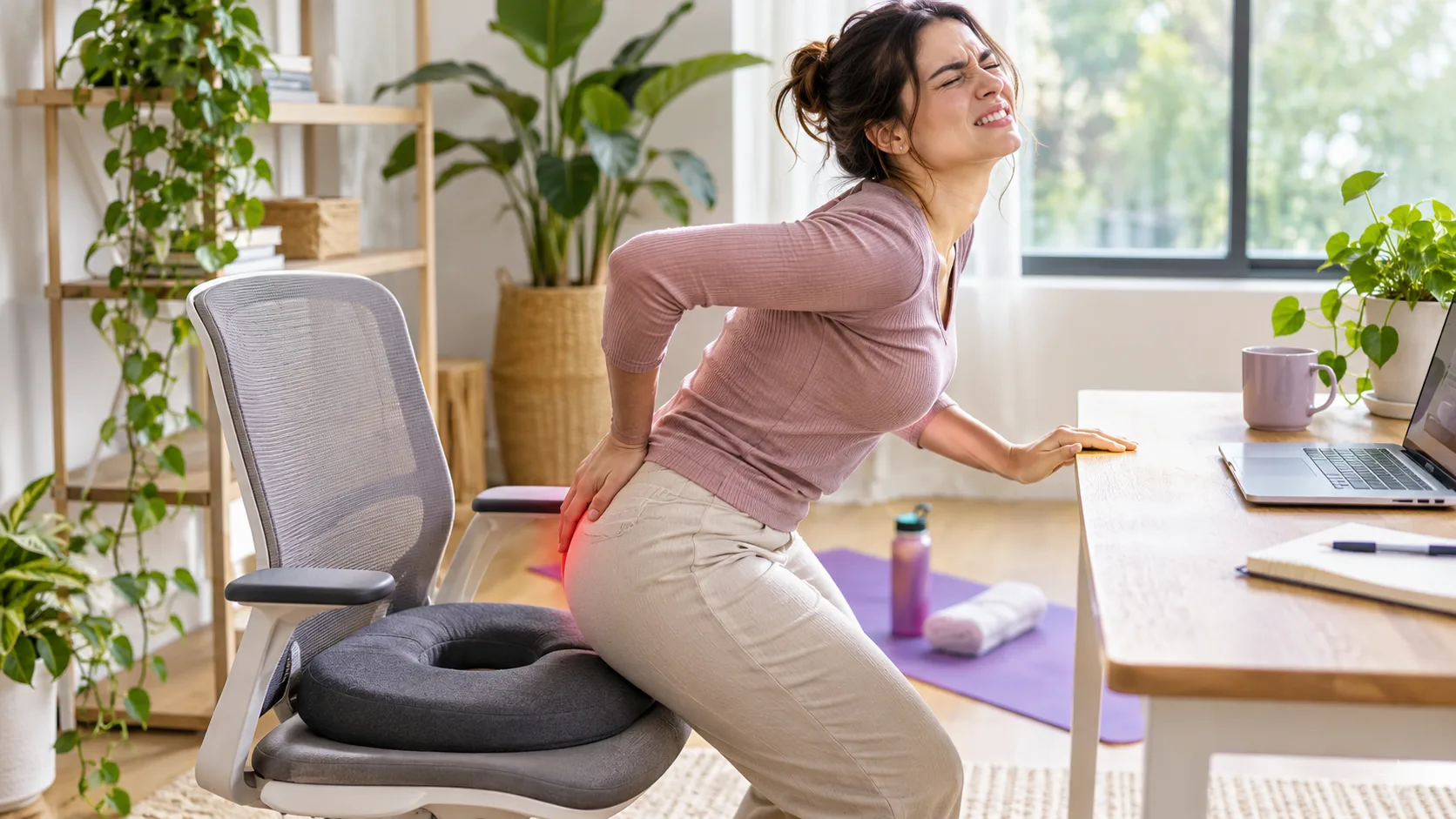
Pain in tailbone can make simple activities like sitting, standing, and bending uncomfortable. This condition, medically known as coccydynia, affects the small bone at the bottom of the spine. Tailbone discomfort may develop after an injury, prolonged sitting, childbirth, or repeated pressure on the lower back. Understanding the possible causes can help you choose appropriate relief methods and recognize when medical attention is necessary.
The tailbone supports several muscles, ligaments, and structures involved in pelvic stability. When this area becomes irritated or injured, even ordinary movements can trigger pain. Some people experience mild soreness that improves with rest, while others develop persistent discomfort that interferes with daily activities. Fortunately, many cases improve with conservative treatment and adjustments to sitting habits.
Finding effective tailbone pain relief begins with identifying what triggers your symptoms. Supportive cushions, gentle movement, physical therapy, and appropriate medical treatment may help manage discomfort. However, persistent or unexplained pain sometimes requires further evaluation. This guide explains common causes, symptoms, treatment options, and practical strategies for managing tailbone pain safely.
What Is Tailbone Pain?
Tailbone pain, also called coccydynia, refers to discomfort around the coccyx at the lowest part of the spine. The coccyx usually consists of several small, fused vertebrae located beneath the sacrum. It provides attachment points for muscles and ligaments that support the pelvic floor. Irritation or injury around these structures can create localized pain and tenderness.
The discomfort often becomes more noticeable when sitting on hard surfaces or leaning backward. Some people experience pain when rising from a chair because this movement changes pressure around the coccyx. Symptoms may also appear during certain bending movements or prolonged sitting. The intensity can range from occasional mild soreness to persistent pain affecting everyday comfort.
Although tailbone pain usually involves the coccyx itself, nearby structures can sometimes contribute to similar symptoms. Problems involving the lower spine, pelvic floor muscles, or surrounding soft tissues may cause discomfort in the same general area. Identifying the source is important because treatment depends on the underlying cause. A healthcare professional can help distinguish coccydynia from other conditions.
Common Causes of Pain in Tailbone
A direct injury is one of the most common reasons for developing pain in tailbone. Falling backward onto a hard surface can bruise the coccyx or damage surrounding tissues. In some cases, the injury may cause a fracture or abnormal movement of the tailbone. Pain can develop immediately or become increasingly noticeable during sitting and other movements.
Prolonged sitting can also contribute to tailbone discomfort, particularly when using hard or poorly supportive chairs. Repeated pressure may irritate the tissues around the coccyx and increase sensitivity. Activities involving extended seated positions, such as cycling, may aggravate existing symptoms. Changing positions regularly can help reduce continuous pressure on the affected area.
Pregnancy and childbirth are additional potential causes of coccyx pain. During delivery, pressure on the pelvic structures may strain or injure the tailbone and surrounding ligaments. Some individuals also develop pain without a clearly identifiable injury. Age-related joint changes, abnormal coccyx mobility, and nearby muscle tension may contribute to discomfort in certain cases.
Symptoms of Tailbone Pain You Should Recognize
The most recognizable symptom of tailbone pain is tenderness near the bottom of the spine. Discomfort is usually concentrated around the coccyx rather than spreading across the entire lower back. Sitting may increase pressure on the painful area, especially on firm surfaces. Some people describe the sensation as aching, sharp pain, or localized soreness.
Pain often becomes more noticeable when changing from sitting to standing. This movement shifts pressure around the coccyx and activates nearby muscles. Certain daily activities, including bending or sitting for extended periods, may also worsen symptoms. However, symptom patterns vary depending on whether the discomfort comes from inflammation, injury, or surrounding structures.
Some individuals experience tailbone discomfort during bowel movements or activities involving the pelvic floor. These symptoms may occur because nearby muscles and ligaments attach around the coccyx. Persistent pain can also affect sleep, concentration, and daily mobility. If symptoms occur alongside fever, unexplained swelling, neurological changes, or significant injury, medical assessment is important.
Why Does My Tailbone Hurt When Sitting?
Sitting places pressure on the lower pelvis and can directly irritate an injured or sensitive coccyx. The discomfort may become stronger when leaning backward because this position can increase contact with the tailbone. Hard chairs often make symptoms more noticeable by providing limited cushioning. People with coccydynia may therefore find prolonged sitting particularly uncomfortable.
Poor sitting habits can also contribute to repeated pressure on the affected area. Remaining in one position for long periods may increase local discomfort and encourage muscle tension. Slouching or sitting with excessive backward pelvic tilt can aggravate symptoms for some individuals. Adjusting posture and changing positions frequently may help reduce unnecessary irritation.
A coccyx cushion with a rear cutout can help decrease direct pressure during seated activities. Sitting with a comfortable, slightly forward position may also provide relief for some people. However, forcing an uncomfortable posture can create additional strain elsewhere. The goal is to find a supported position that minimizes pain while allowing natural movement.
How to Relieve Tailbone Pain at Home
Many cases of mild tailbone pain improve with conservative home care and reduced pressure on the affected area. Limiting activities that repeatedly aggravate symptoms can allow irritated tissues time to recover. However, complete inactivity is usually unnecessary unless a healthcare professional recommends it. Gentle walking and comfortable daily movement may help maintain mobility without increasing discomfort.
Cold packs can be useful after a recent injury or during periods of increased soreness. Wrap the pack in a towel and apply it for approximately 15 to 20 minutes at a time. Avoid placing ice directly against the skin. Some people find gentle warmth more soothing for persistent muscle tension, provided there is no concerning swelling or skin irritation.
Over-the-counter pain medication may provide temporary relief when used appropriately. However, anti-inflammatory medicines are unsuitable for some people, including those with certain stomach, kidney, or bleeding conditions. Follow medication instructions and seek professional advice when uncertain. If discomfort persists despite reasonable home care, further assessment can help identify the cause.
Best Sitting Positions for Tailbone Pain Relief
A comfortable sitting position can make a noticeable difference when managing coccyx pain. Choose a supportive chair that allows both feet to rest comfortably on the floor. Keep your back supported while avoiding direct pressure on the painful tailbone. Small adjustments in pelvic position may help distribute body weight more evenly across the sitting bones.
A specially designed coccyx cushion can provide additional comfort during work, travel, or daily activities. Cushions featuring a rear opening or cutout are intended to reduce pressure around the coccyx. Not every cushion works equally well for everyone, so comfort should guide selection. Avoid products that force the body into an uncomfortable or unstable position.
Taking regular movement breaks is another practical way to manage sitting-related discomfort. Standing briefly, walking around, or changing positions can reduce continuous pressure on sensitive tissues. If possible, alternate between sitting and standing during activities that require extended desk work. These adjustments may help relieve symptoms while supporting more comfortable daily movement patterns.
Gentle Exercises and Stretches for Tailbone Pain
Gentle movement may help reduce stiffness and improve comfort when tailbone pain involves surrounding muscle tension. Walking is often a practical starting activity because it encourages movement without placing direct sitting pressure on the coccyx. Begin with manageable distances and avoid pushing through worsening pain. Exercise should remain comfortable and appropriate for the underlying condition.
Some people benefit from gentle hip and pelvic mobility exercises recommended by a physical therapist. Controlled movements may help reduce tension in muscles surrounding the lower back and pelvis. However, aggressive stretching or exercises that press directly against the tailbone can worsen symptoms. Movements should be modified when discomfort increases or an injury has not been assessed.
Pelvic floor physical therapy may be helpful when muscle tightness contributes to persistent coccyx pain. Treatment can focus on relaxation, coordination, and reducing unnecessary tension around the pelvis. Strengthening exercises are not always appropriate because some individuals already have overly tense pelvic floor muscles. A qualified therapist can recommend suitable techniques based on examination findings.
Medical Treatments for Persistent Tailbone Pain
When tailbone pain continues despite home treatment, a healthcare professional may recommend further evaluation. The assessment usually involves discussing symptoms, checking tenderness, and reviewing possible injuries or contributing conditions. Imaging may be considered when a fracture, abnormal coccyx movement, or another condition is suspected. However, not every person with coccydynia requires an X-ray or scan.
Physical therapy is commonly considered when pain affects movement, posture, or surrounding muscle function. Treatment may include education about sitting positions, activity modification, and carefully selected therapeutic exercises. Some patients benefit from techniques that address pelvic floor tension or soft tissue discomfort. The treatment plan should reflect the examination findings rather than relying on identical exercises for everyone.
For persistent symptoms, specialists may consider targeted injections or other pain management procedures. These treatments aim to reduce pain when simpler approaches have not provided adequate relief. Surgery to remove part or all of the coccyx is rarely recommended and is generally reserved for carefully selected, severe cases. Potential benefits and complications require detailed discussion with a qualified specialist.
How Long Does Tailbone Pain Take to Heal?
Recovery time depends on the cause, severity, and presence of any underlying injury. Mild bruising or irritation may begin improving within several days to a few weeks. More significant injuries can require longer recovery periods, especially when sitting continues to aggravate the area. Healing is not always predictable because daily activities repeatedly place pressure near the coccyx.
A bruised tailbone may take around four weeks to recover, while a fracture can sometimes require eight to twelve weeks or longer. These timelines are approximate and do not apply to every individual. Persistent coccydynia may continue beyond the expected healing period even without a major fracture. Ongoing muscle tension or abnormal coccyx mobility can sometimes contribute.
Recovery often improves when people reduce painful pressure and gradually return to comfortable activities. Supportive seating, appropriate movement, and professional treatment may help manage symptoms during healing. However, worsening pain or little improvement over several weeks deserves medical attention. A clinician can investigate whether another condition is delaying recovery or creating similar discomfort.
When Should You See a Doctor for Tailbone Pain?
Medical evaluation is recommended when tailbone pain remains persistent, repeatedly returns, or significantly interferes with normal activities. Pain following a substantial fall or accident should also be assessed, particularly when walking or sitting becomes difficult. A healthcare professional can examine the area and determine whether further testing is necessary. Early assessment may help prevent prolonged discomfort.
Certain symptoms require more urgent attention because they may indicate a condition beyond uncomplicated coccydynia. Seek emergency care for new bladder or bowel control problems, numbness around the groin, or significant leg weakness. Fever accompanied by severe pain or rapidly increasing swelling also requires prompt medical assessment. These symptoms should not be managed through home remedies alone.
Unexplained tailbone pain that gradually worsens or occurs alongside unusual systemic symptoms deserves professional investigation. Although serious underlying causes are uncommon, infections, inflammatory conditions, and other medical problems can occasionally produce similar discomfort. Discussing symptom patterns and relevant medical history helps guide assessment. Accurate diagnosis is especially important when conventional relief methods provide little benefit.
How to Prevent Tailbone Pain in Everyday Life
Preventing tailbone discomfort often involves reducing repeated pressure and maintaining comfortable movement habits. Avoid sitting on hard surfaces for extended periods whenever possible. Choose supportive seating and adjust positions when discomfort begins. Regular standing or walking breaks can help prevent prolonged pressure from building around sensitive tissues.
Workplace arrangements can also influence comfort during long periods of sitting. Position your desk, chair, and computer so that you can maintain a relaxed, supported posture. A suitable coccyx cushion may help if direct pressure repeatedly triggers soreness. However, prevention does not require maintaining one rigid sitting position throughout the day.
Physical activity can support general mobility and the function of muscles surrounding the pelvis and lower back. Walking, appropriate strength exercises, and comfortable movement throughout the day may help reduce stiffness. People with recurring coccyx symptoms should avoid activities that consistently aggravate pain until they receive appropriate guidance. Maintaining flexible habits is more helpful than forcing uncomfortable movement patterns.
Conclusion
Pain in tailbone can interfere with sitting, walking, and other everyday activities, but many cases improve with appropriate care. Common causes include falls, prolonged pressure, childbirth, and irritation of surrounding tissues. Recognizing symptom patterns can help identify potential triggers and guide initial relief strategies. Understanding the cause is an important step toward improving comfort.
Home remedies such as supportive cushions, activity adjustments, cold packs, and gentle movement may help manage mild discomfort. Physical therapy can also support recovery when posture, mobility, or pelvic floor muscle tension contributes to symptoms. However, severe or persistent pain requires professional evaluation. Treatment should always reflect the underlying condition and individual medical needs.
Maintaining comfortable sitting habits and responding early to worsening symptoms can help protect everyday mobility. Most people do not need invasive treatment, although recovery times vary according to the injury and other contributing factors. If tailbone pain disrupts daily life or occurs with concerning symptoms, seek appropriate medical advice. Timely assessment and personalized care provide the best opportunity for lasting relief.
Frequently Asked Questions
What Is the Most Common Cause of Tailbone Pain?
Tailbone pain commonly develops after a fall, prolonged sitting, or repeated pressure on the coccyx. Childbirth and surrounding muscle tension can also contribute to discomfort in some individuals.
How Do You Relieve Tailbone Pain Quickly?
Reducing pressure with a coccyx cushion, changing sitting positions, and applying a wrapped cold pack may provide temporary relief. Persistent or severe symptoms require medical assessment to identify the cause.
Can Tailbone Pain Go Away on Its Own?
Yes, mild tailbone pain often improves naturally over several weeks with appropriate activity adjustments. However, fractures and persistent coccydynia may require longer recovery periods or professional treatment.
Is Walking Good for Tailbone Pain?
Gentle walking can help maintain mobility without placing direct sitting pressure on the coccyx. However, activity should remain comfortable, and worsening pain may indicate the need for further evaluation.
When Is Tailbone Pain a Sign of Something Serious?
Tailbone pain requires urgent evaluation when accompanied by new bowel or bladder control problems, groin numbness, significant weakness, or severe symptoms with fever. Persistent unexplained pain also deserves medical assessment.