
What Does LCL Mean?
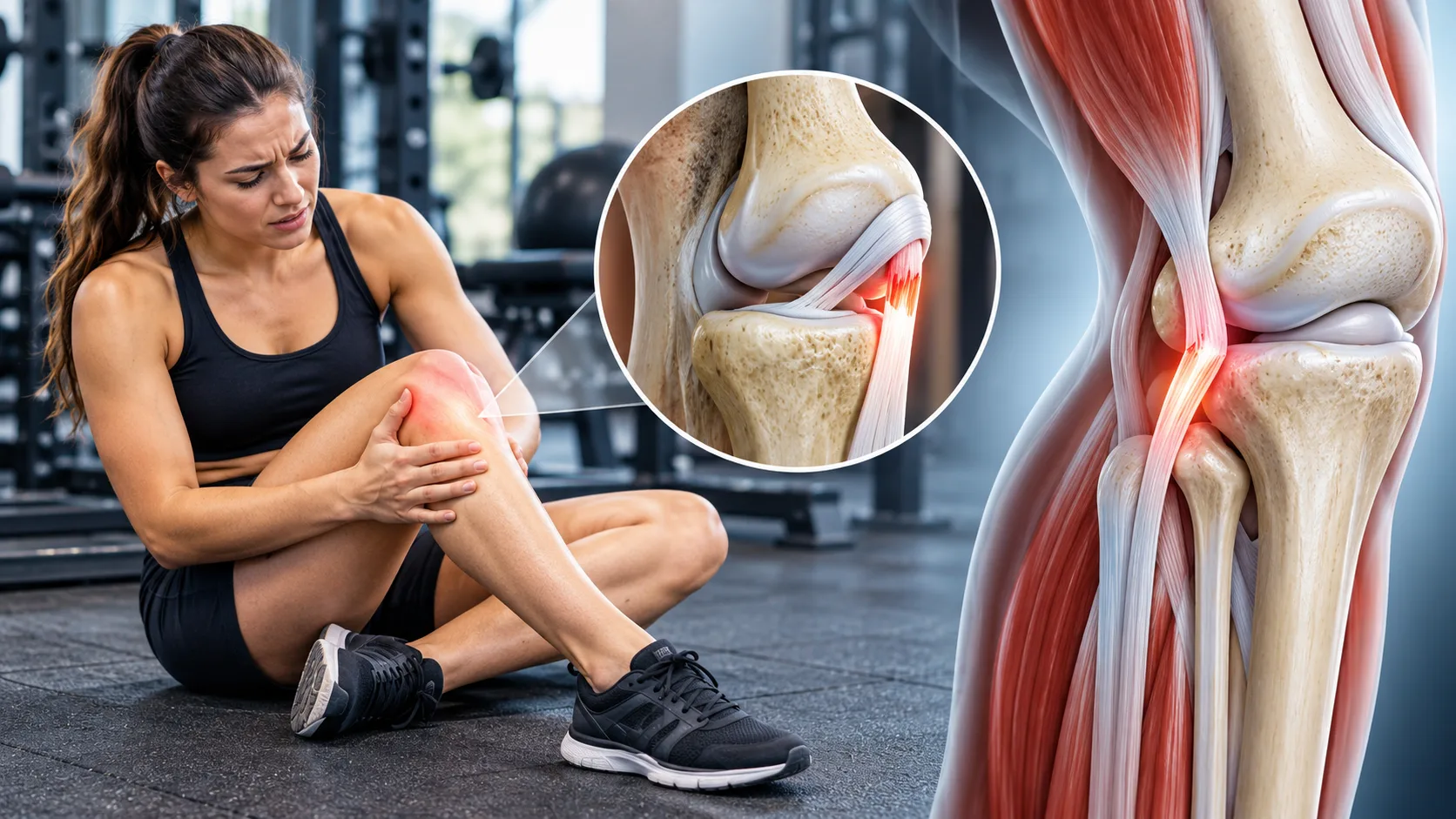
LCL stands for lateral collateral ligament, a strong band of connective tissue located on the outer side of the knee. It connects the femur, or thigh bone, to the fibula, one of the bones of the lower leg. Its main job is to help stabilize the knee and prevent excessive sideways movement during walking, running, and other activities.
The LCL is one of the major ligaments that support the knee joint. It works alongside the medial collateral ligament, anterior cruciate ligament, and posterior cruciate ligament to keep the knee stable during movement. Each ligament controls different directions of motion, which is why damage to one can affect how secure the knee feels.
Unlike the MCL, which sits on the inner side of the knee, the LCL is positioned on the outside. This location makes it particularly important for resisting forces that push the knee outward. Understanding where the LCL is and what it does can make knee injuries and rehabilitation advice easier to understand.
Where Is the LCL Located?
The LCL runs along the outside of the knee joint. It begins at the lower part of the femur and attaches to the head of the fibula, which is located just below the knee on the outer side of the leg. Because of this position, the ligament helps connect and stabilize structures around the lateral knee.
You may be able to identify the general location by feeling the firm area on the outside of the knee between the thigh bone and upper fibula. However, pressing on the area is not a reliable way to diagnose an injury. Several tendons, muscles, nerves, and other structures are also located around the outer knee.
Pain in this region does not automatically mean the LCL is damaged. Iliotibial band irritation, meniscus problems, tendon injuries, or joint issues can produce similar discomfort. A proper assessment becomes important when pain follows trauma, causes instability, or continues despite reducing aggravating activity.
What Does the LCL Do?
The LCL helps prevent the knee from bending excessively outward when force is applied from the inside. This stabilizing role is especially important during sports, quick direction changes, and movements where the body must control side-to-side forces. Without adequate ligament support, the knee may feel unstable during weight-bearing activity.
The ligament also works with surrounding muscles and other knee structures to maintain alignment while the leg moves. Walking, running, squatting, and stepping all require coordinated control between the hips, knees, ankles, and feet. The LCL contributes by limiting unwanted movement rather than actively creating motion.
Because ligaments do not contract like muscles, they depend on surrounding muscle strength and joint control for additional protection. Strong glutes, quadriceps, hamstrings, and calf muscles can help manage forces around the knee. This is one reason rehabilitation usually includes strengthening rather than focusing only on the injured ligament itself.
What Causes an LCL Injury?
An LCL injury often occurs when a force pushes the knee outward from the inside. This may happen during contact sports when another player collides with the inner side of the knee. The sudden stress can stretch or tear the ligament depending on the amount of force and the position of the leg.
Non-contact injuries are also possible. A sudden change of direction, awkward landing, or twisting movement may place excessive stress on the outer knee. These injuries are less common than some other knee ligament problems but can still occur during activities such as football, basketball, skiing, or running on uneven surfaces.
LCL injuries can also happen alongside damage to other knee structures. A strong impact may affect several ligaments, the meniscus, or nearby tendons at the same time. Because combined injuries can change treatment and recovery, significant knee trauma should be evaluated rather than managed only with home exercises.
LCL Sprain Grades Explained
A grade 1 LCL sprain generally means the ligament has been overstretched but remains largely intact. Symptoms may include mild tenderness, slight swelling, and discomfort during certain movements. The knee often remains relatively stable, although side-to-side stress may feel uncomfortable during the early stages of recovery.
A grade 2 injury usually involves a partial tear. Pain, swelling, and tenderness may be more noticeable, and the knee can feel less stable during walking or changing direction. Recovery typically takes longer than with a mild sprain because a greater portion of the ligament fibers has been damaged.
A grade 3 injury represents a complete tear of the LCL. The knee may feel unstable, especially during side-to-side movement, and additional structures may also be injured. Severe ligament injuries generally require professional assessment, structured rehabilitation, and sometimes surgical consultation depending on the overall damage.
Common Symptoms of an LCL Injury
Pain along the outer side of the knee is one of the most common symptoms of an LCL injury. The discomfort may appear immediately after trauma or become more noticeable during walking, bending, or changing direction. Tenderness is often located near the ligament itself, although pain can spread into nearby structures.
Swelling may develop around the outside of the knee, although the amount varies depending on injury severity. Some people also notice stiffness or difficulty fully bending and straightening the leg. Bruising can occur after more significant trauma, particularly when other soft tissues are involved.
A feeling of instability is an important symptom to monitor. The knee may feel as though it wants to give way during weight-bearing or lateral movement. Numbness or weakness in the lower leg should also be evaluated because nearby nerves can occasionally be affected during more severe outer-knee injuries.
How Is an LCL Injury Diagnosed?
A healthcare professional usually begins by asking how the injury happened and where the pain is located. They may examine swelling, tenderness, range of motion, and overall knee stability. Understanding whether the problem followed a direct impact, twist, or gradual onset can help distinguish ligament injury from other causes.
Specific physical tests may be used to assess how much the outer knee opens when controlled pressure is applied. These tests help determine whether the LCL is functioning normally or has become unusually loose. The examiner may also evaluate other knee ligaments because significant injuries often involve more than one structure.
Imaging may be recommended depending on the circumstances. X-rays can help rule out fractures, while MRI can provide detailed information about ligaments, tendons, menisci, and other soft tissues. Not every mild knee injury requires imaging, so the decision depends on symptoms, examination findings, and injury severity.
LCL Injury Treatment and Early Care
Early treatment often focuses on reducing activities that clearly worsen pain and protecting the knee from additional stress. Mild injuries may improve with temporary activity modification, comfortable movement, and gradual return to weight-bearing. Complete bed rest is usually unnecessary unless a healthcare professional specifically recommends it.
Cold packs may provide temporary relief during the early stages when the knee feels swollen or irritated. Compression and elevation can also be useful for some people, depending on comfort and medical guidance. Bracing may be recommended in certain cases to limit side-to-side movement while the ligament begins to heal.
More severe LCL injuries require individualized management. A physiotherapist or doctor can determine when walking, strengthening, and sports-specific exercises should begin. Surgery is not necessary for every tear, but it may be considered when the ligament is completely disrupted or when additional knee structures are significantly damaged.
Exercises Used During LCL Rehabilitation
Rehabilitation commonly begins with exercises that restore comfortable knee movement and activate surrounding muscles. Quadriceps tightening, gentle knee bending, and controlled straight-leg exercises may be introduced when appropriate. The goal is to maintain strength while avoiding movements that place excessive sideways stress on the healing ligament.
As symptoms improve, exercises may progress to bridges, step-ups, squats, and controlled balance drills. Hip strength is also important because the glutes help control the position of the thigh and knee during movement. Learning how hip thrust muscles contribute to lower-body strength can help when building a more complete rehabilitation program.
Later stages often include single-leg control, direction changes, and sport-specific movements. These exercises prepare the knee for the forces encountered during running, jumping, and cutting. Progress should depend on pain, stability, strength, and movement quality rather than simply reaching a certain number of days after injury.
How Long Does an LCL Injury Take to Heal?
Recovery time depends on the severity of the ligament injury and whether other knee structures are involved. A mild grade 1 sprain may improve within a few weeks, while partial tears generally require a longer rehabilitation period. Complete tears or combined injuries can take significantly more time to recover.
Healing time does not automatically equal readiness to return to sport. Even after pain improves, strength, balance, confidence, and knee stability may still need additional work. Returning too quickly to cutting, jumping, or contact activity can expose the knee to forces it is not yet prepared to handle.
Rehabilitation progress should therefore be based on function rather than the calendar alone. Being able to walk, squat, balance, run, and change direction comfortably can provide better information about readiness. A healthcare professional can help determine when more demanding activity is safe to resume.
How to Reduce the Risk of LCL Problems
Strong lower-body muscles can help control forces around the knee during exercise and sport. Squats, lunges, deadlifts, step-ups, hamstring work, and hip-strengthening exercises can all contribute to better lower-body control. Strength alone cannot prevent every ligament injury, but it can improve how the body handles demanding movement.
Balance and coordination training can also be useful. Single-leg exercises, controlled landing drills, and gradual direction-change practice help prepare the knee for unpredictable forces. Athletes should progress these exercises systematically rather than moving directly from basic strength training into high-speed cutting or contact drills.
Warm-ups and sensible training progression also matter. Sudden increases in activity, fatigue, and poor preparation can reduce movement quality during demanding sessions. While direct impacts cannot always be avoided, developing strength, control, and sport-specific readiness may reduce some modifiable risk factors around the knee.
When to Seek Medical Help for Outer Knee Pain
Seek prompt medical attention after a significant knee injury if you cannot bear weight, the knee appears deformed, or swelling develops rapidly. A major impact can damage several structures at once, so severe symptoms should not be assumed to represent a simple LCL sprain. Early evaluation can help determine the extent of injury.
You should also get assessed if the knee feels unstable or repeatedly gives way during walking. Persistent outer-knee pain, worsening swelling, or difficulty fully bending and straightening the leg are additional reasons to seek care. These symptoms may reflect ligament damage or another problem requiring targeted treatment.
Numbness, weakness, or unusual changes in the foot and lower leg deserve timely attention as well. The nerves around the outer knee can occasionally be affected during significant trauma. Professional evaluation is especially important when symptoms interfere with normal walking, work, sleep, or everyday activities.
Conclusion
LCL means lateral collateral ligament, a strong structure located on the outer side of the knee. It connects the femur to the fibula and helps prevent excessive outward movement of the knee. Although small compared with surrounding muscles, it plays an important role in stability during walking, running, and sport.
LCL injuries range from mild sprains to complete tears. Pain, swelling, tenderness, and instability are common symptoms, particularly after direct impact or sudden side-to-side stress. Treatment depends on injury severity and may include activity modification, bracing, rehabilitation, and gradual strengthening.
Significant knee trauma, instability, inability to bear weight, or neurological symptoms should be professionally evaluated. Recovery should focus not only on reducing pain but also on restoring strength, balance, and movement control. With appropriate rehabilitation, many people can return safely to normal activity and sport.
FAQs
What does LCL stand for?
LCL stands for lateral collateral ligament. It is located on the outer side of the knee and connects the thigh bone to the fibula while helping control side-to-side stability.
What does an LCL injury feel like?
An LCL injury can cause outer-knee pain, tenderness, swelling, stiffness, and instability. Symptoms often become more noticeable during walking, changing direction, or movements that place sideways force on the knee.
Can you walk with an LCL sprain?
Some people can walk with a mild LCL sprain, although discomfort may be present. More severe injuries can cause instability or significant pain and should be assessed before normal activity continues.
How long does an LCL sprain take to heal?
Mild sprains may improve within several weeks, while partial or complete tears can require longer rehabilitation. Recovery depends on injury severity, additional knee damage, strength, and overall functional progress.
Does an LCL tear need surgery?
Not every LCL tear requires surgery. Treatment depends on whether the tear is partial or complete, how stable the knee remains, and whether other ligaments or knee structures are also injured.