
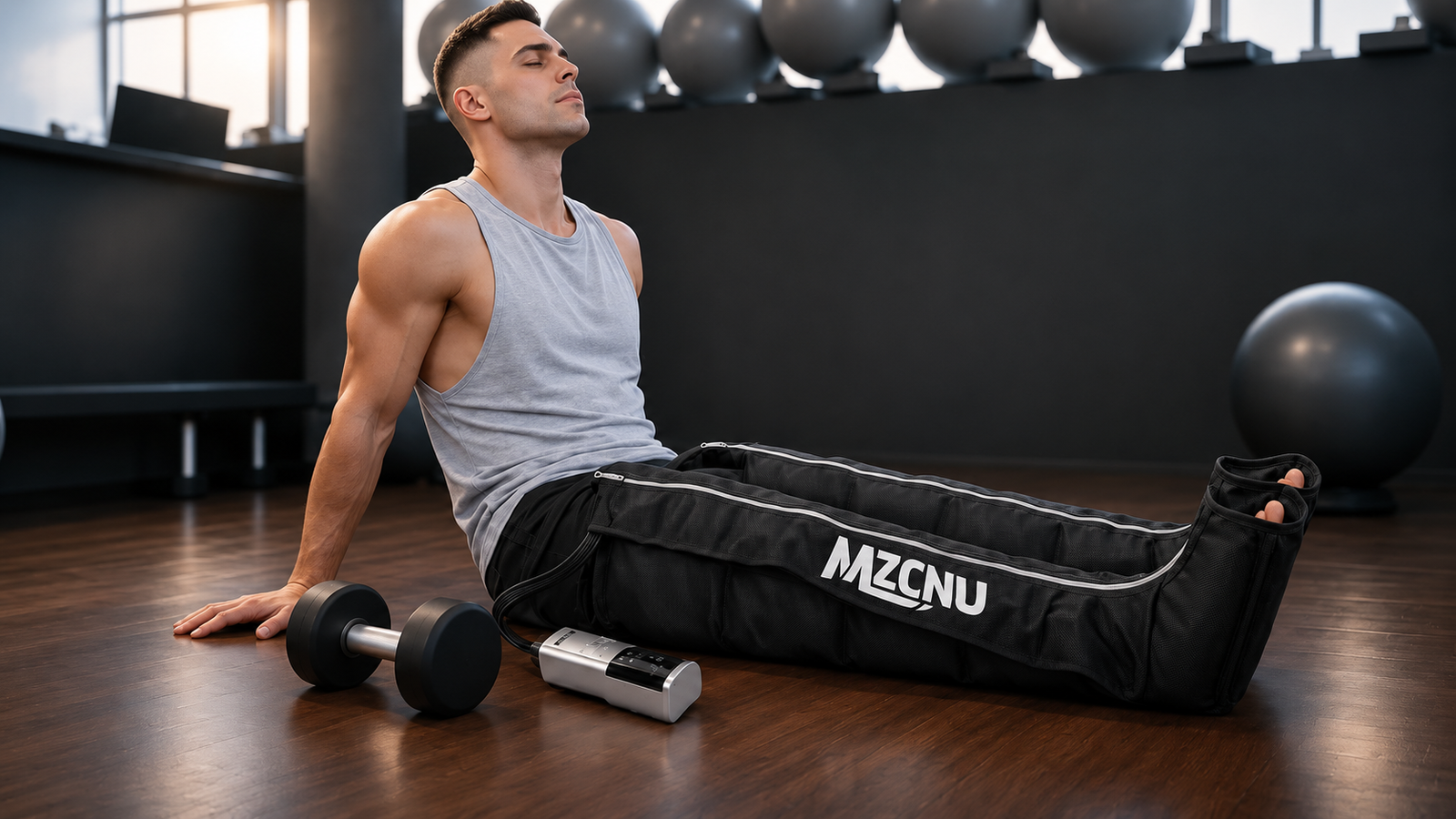
Maintaining an active lifestyle requires more than regular exercise. Whether someone enjoys running, participates in competitive sports, spends hours at the gym, or simply stays active throughout the day, proper recovery is essential for long-term physical well-being. Muscle fatigue, tired legs, and general discomfort can affect daily performance, making recovery techniques an important part of a healthy routine. Modern wellness solutions, including compression therapy devices from MZCNU, offer convenient ways to support leg relaxation and post-exercise recovery at home.
Understanding the Importance of Muscle Recovery
Physical activity places demands on muscles, joints, and surrounding tissues. During exercise, muscles repeatedly contract and work against resistance, which can lead to temporary fatigue and soreness. Although these responses are a normal part of physical activity, allowing the body sufficient time to recover is important.
Recovery involves several factors, including adequate sleep, balanced nutrition, hydration, stretching, and appropriate rest periods. Ignoring these elements may make it harder to maintain consistent exercise habits. For individuals who regularly experience tired or heavy-feeling legs, incorporating relaxation techniques into their daily schedules can also make a difference in overall comfort.
Muscle recovery should not be treated as something that happens only after intense workouts. People who work standing for extended periods, travel frequently, or spend long hours sitting may also benefit from paying attention to leg comfort and circulation.
What Is Compression Therapy?
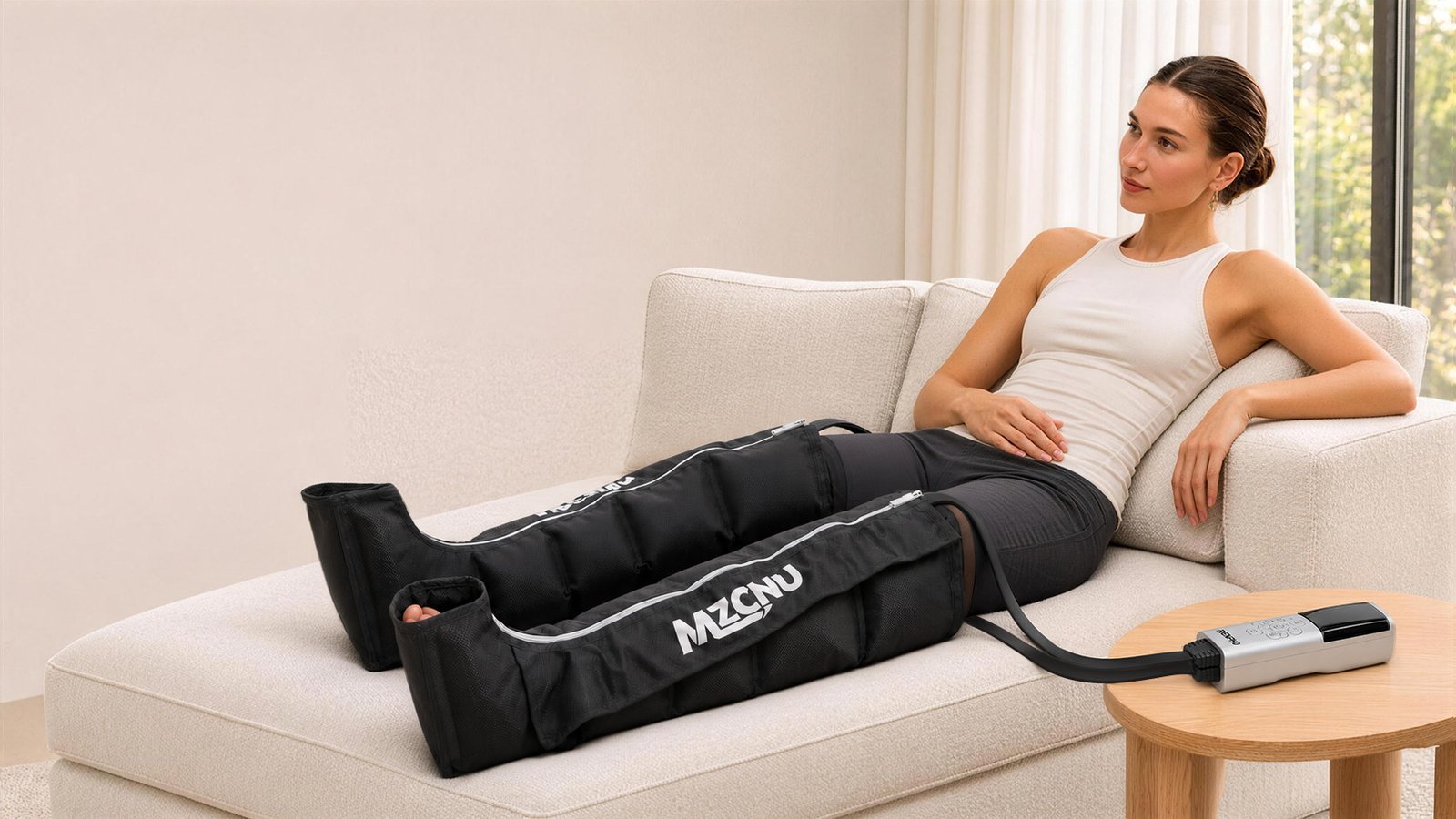
Compression therapy involves applying controlled pressure to specific areas of the body. It is commonly used in wellness and rehabilitation settings, particularly for supporting circulation and managing certain types of swelling.
One increasingly popular approach is intermittent pneumatic compression. Unlike traditional compression garments that provide relatively consistent pressure, pneumatic devices use inflatable air chambers to apply and release pressure in controlled sequences.
This process creates a gentle squeezing sensation that moves through different sections of the legs. Depending on the device, the pressure pattern can help support blood flow and provide a relaxing massage-like experience.
Compression technology has become more accessible through home-use wellness equipment, allowing individuals to incorporate certain recovery practices into their routines without regularly visiting a specialist facility.
How Air-Chamber Leg Massagers Work
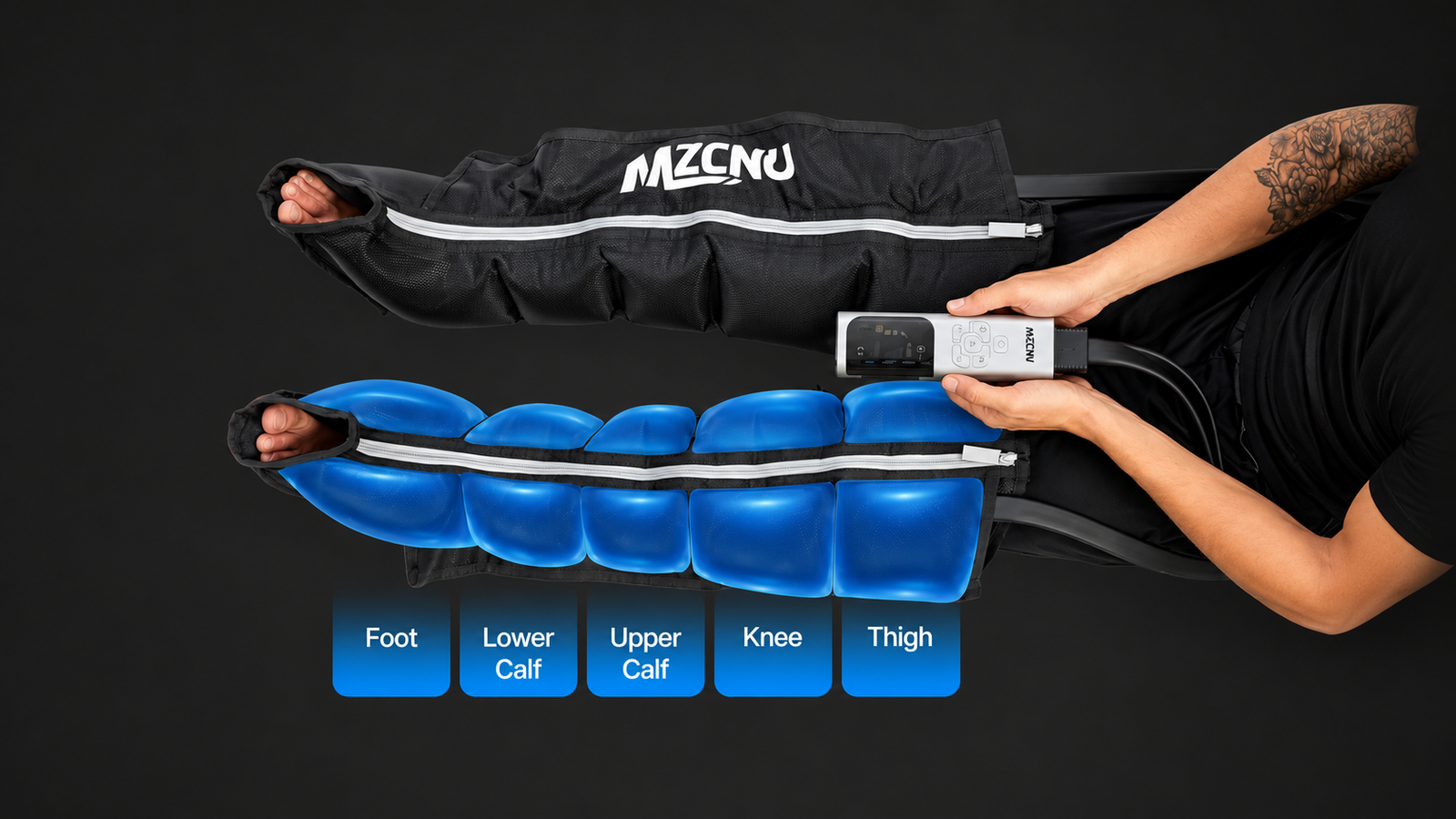
Air-chamber leg massagers are designed to provide targeted pressure through inflatable compartments positioned around the legs. An integrated pump supplies air to these chambers, which inflate and deflate according to the selected program.
Some devices operate through sequential compression, meaning different chambers activate in a particular order. This creates a rhythmic sensation that can help users relax after physical activity or a demanding day.
A multi-chamber design can provide more structured coverage than a simple vibrating massage device. It also allows pressure to be distributed across different sections of the legs rather than concentrating on one small area.
For athletes and fitness enthusiasts, this type of equipment can become one part of a broader recovery routine. However, it should complement rather than replace established recovery practices such as rest, hydration, mobility exercises, and appropriate training schedules.
Introducing the MZCNU Leg Massager
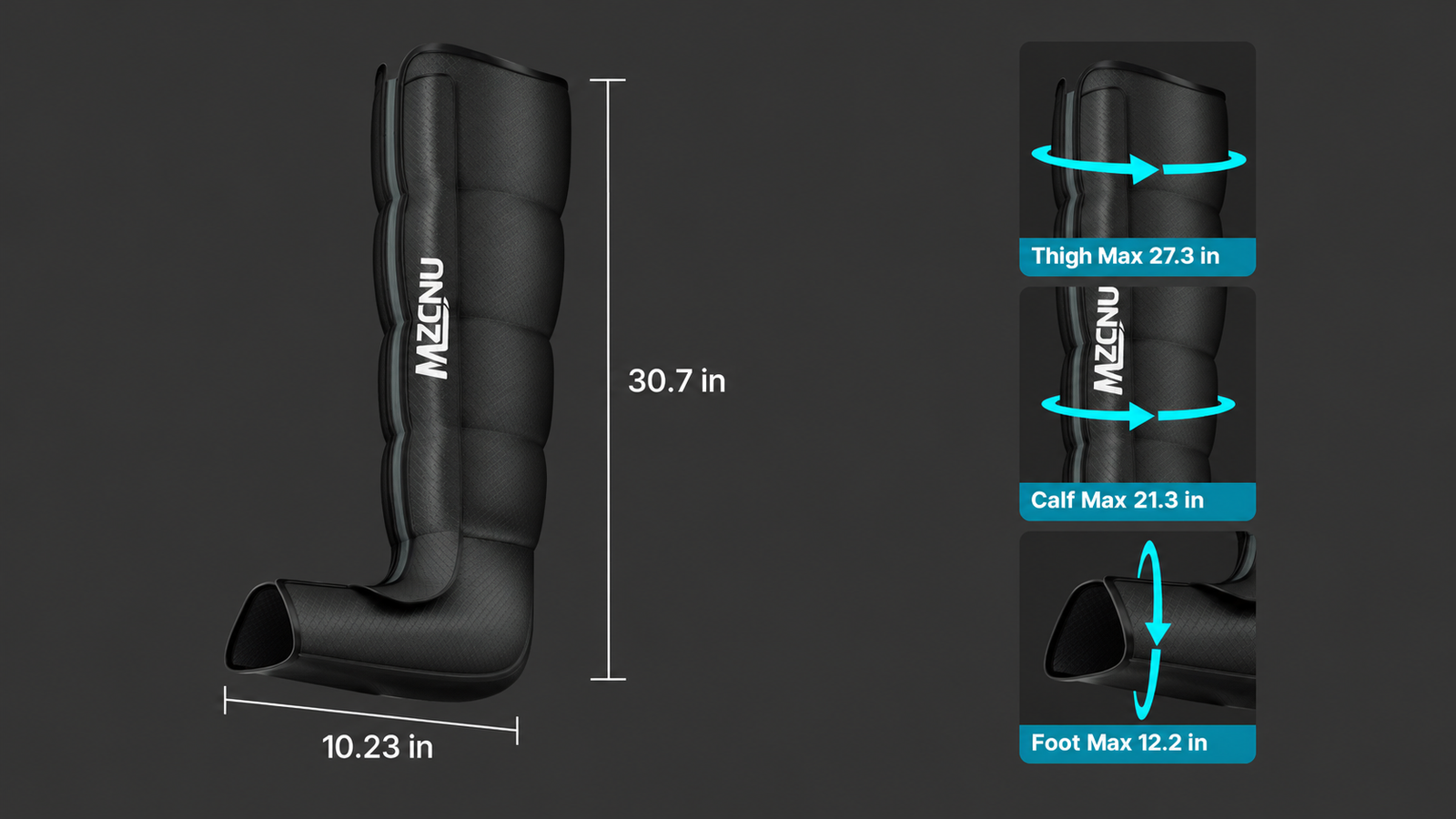
As home wellness technology continues to develop, products designed for convenient muscle relaxation are attracting attention. The MZCNU Leg Massager is one example, featuring a 10 Air-Chamber design intended to provide a structured compression experience for the legs.
The MZCNU 10 Air-Chamber Leg Massager offers a practical option for individuals interested in incorporating pneumatic compression into their personal wellness routines. Its multiple air chambers are designed to deliver pressure across different areas of the legs, creating a sequential massage-like experience.
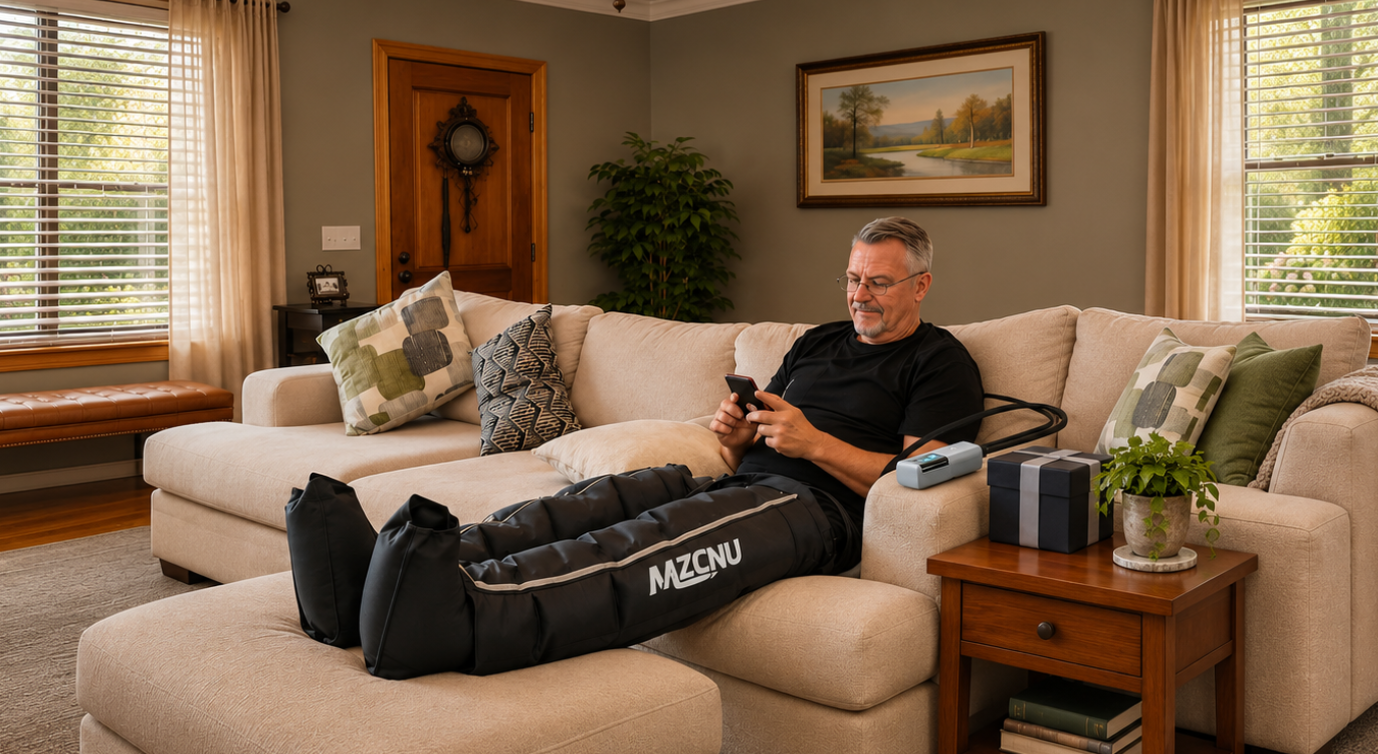
This type of equipment may appeal to several groups of people, including recreational athletes, gym enthusiasts, runners, and individuals who experience tired legs after extended periods of standing or sitting.
Convenience is another important consideration. Having access to a home-use compression device allows users to set aside time for relaxation without making a separate appointment. It can be particularly useful for people who prefer developing consistent recovery habits around their existing daily schedules.
As with any wellness device, users should follow the manufacturer’s instructions regarding fitting, pressure settings, session duration, and maintenance.
Who Can Benefit From Leg Massage and Compression?
Different lifestyles create different physical demands, and leg relaxation can be valuable in several situations.
Athletes and fitness enthusiasts: Regular training can leave the legs feeling fatigued. Compression massage may provide a relaxing addition to post-workout recovery routines.
Runners and cyclists: Repetitive lower-body movement places considerable demands on the leg muscles. Appropriate recovery habits, including rest and gentle massage, can support overall training comfort.
Office workers: Sitting for extended periods can contribute to feelings of stiffness and discomfort. Taking movement breaks and incorporating suitable relaxation practices can help improve daily comfort.
People with standing-intensive jobs: Retail employees, healthcare professionals, hospitality workers, and others who spend much of their working day on their feet may appreciate opportunities to relax their legs after work.
Although these groups may find compression devices convenient, they are not suitable for everyone. People with suspected blood clots, significant vascular disease, certain heart conditions, or unexplained leg swelling should seek medical advice before using compression equipment.
Building a Better Daily Recovery Routine
A compression device works best as part of a balanced approach to physical wellness. Relying on a single recovery method is unlikely to address every aspect of muscle fatigue or physical discomfort.
A practical recovery routine can include several simple habits:
Stay hydrated: Drinking enough water throughout the day supports normal bodily functions and helps maintain physical performance.
Prioritize sleep: Quality sleep gives the body time to recover from everyday physical and mental demands.
Include gentle movement: Walking, light stretching, and mobility exercises can help reduce stiffness associated with prolonged sitting or standing.
Maintain balanced nutrition: Protein, carbohydrates, healthy fats, vitamins, and minerals all contribute to normal muscle function and recovery.
Allow sufficient rest: Training without adequate recovery can increase fatigue and negatively affect performance. Rest days and appropriate exercise intensity are important.
Make time for relaxation: Gentle massage, comfortable positioning, and suitable compression sessions can become useful additions to an evening wellness routine.
Consistency is more valuable than attempting complicated recovery methods occasionally. Small habits performed regularly can contribute to a more sustainable approach to health and fitness.
Choosing the Right Compression Equipment
Before purchasing a leg massager, it is worth considering several practical factors. Chamber configuration, adjustable pressure levels, comfort, fit, operating controls, and cleaning requirements can all influence the overall experience.
Users should also consider their intended purpose. Someone looking for occasional relaxation after a workout may have different requirements from an athlete who follows a structured recovery program.
Product instructions and safety information deserve particular attention. Compression should feel comfortable rather than painful, and users should stop immediately if they experience unusual discomfort, numbness, or other concerning symptoms.
It is also important to understand that a home leg massager is not a replacement for professional medical treatment. Persistent pain, unexplained swelling, or circulation problems should be evaluated by a qualified healthcare professional.
Final Thoughts
Recovery is an essential part of maintaining an active and healthy lifestyle. From athletes managing demanding training schedules to individuals dealing with everyday leg fatigue, finding practical ways to relax and support physical comfort can make daily routines more manageable.
Air-chamber compression technology offers an accessible approach to leg relaxation, with products such as the MZCNU 10 Air-Chamber Leg Massager bringing this technology into the home. When combined with proper hydration, balanced nutrition, sufficient sleep, and regular movement, suitable compression equipment can complement a well-rounded wellness routine.
Ultimately, the best recovery strategy is one that considers individual needs, prioritizes safety, and supports long-term physical well-being.