
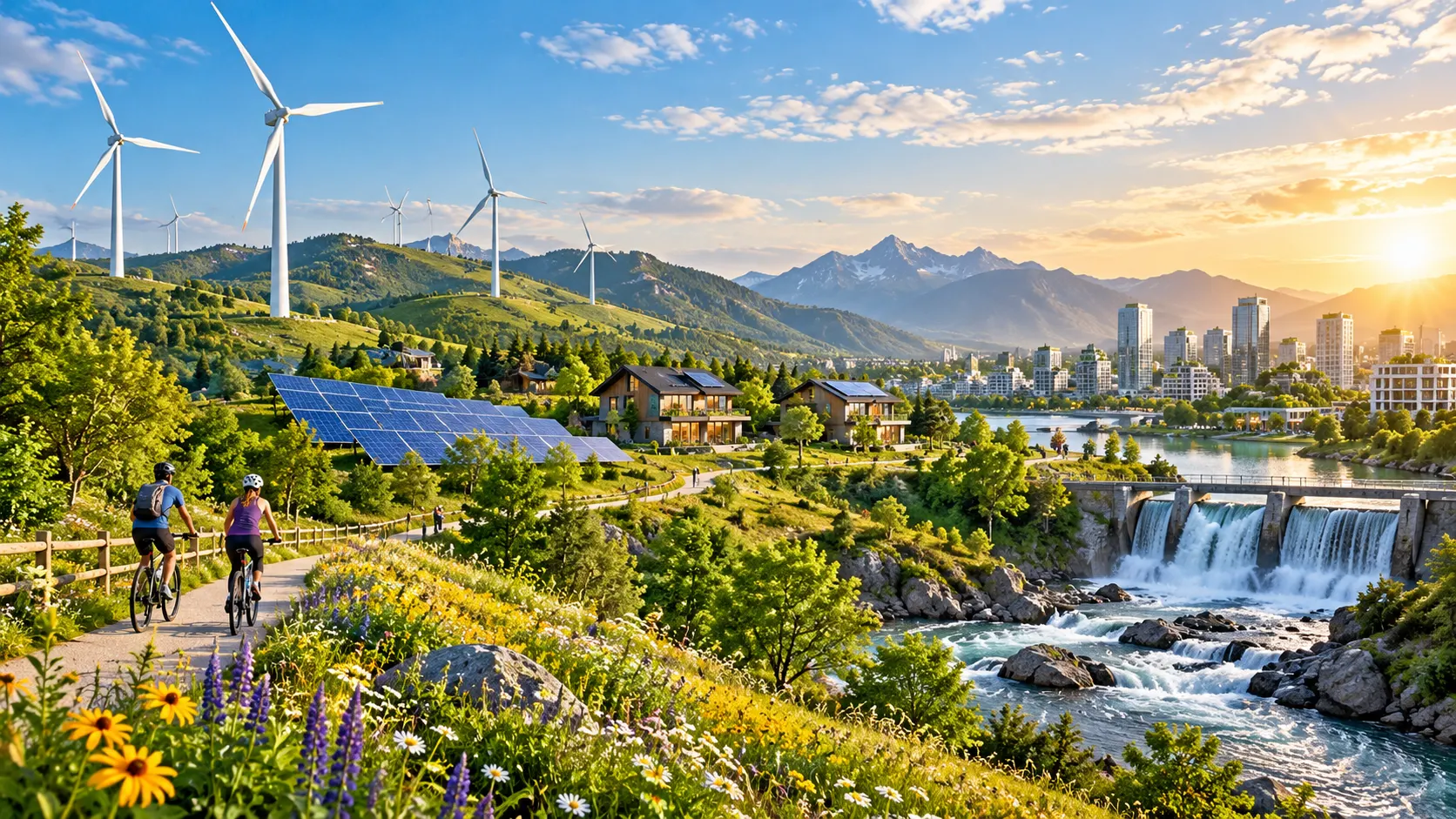
Energy powers almost everything in our daily lives, from lighting homes and charging phones to operating factories and transportation systems. For many years, countries have depended heavily on fossil fuels such as coal, oil, and natural gas. However, burning these fuels releases greenhouse gases that contribute to climate change and environmental problems. Renewable energy offers an important alternative.
Understanding what renewable energy is and how it helps the planet can help us recognize the role of cleaner energy sources in protecting the environment. Renewable energy comes from natural resources that are continually replenished, including sunlight, wind, flowing water, and geothermal heat. These sources can generate electricity and provide useful energy while reducing dependence on fossil fuels.
As technology develops, renewable energy is becoming an increasingly important part of global electricity systems. Solar panels, wind turbines, and other clean energy technologies are helping communities meet their energy needs. This guide explains the different types of renewable energy, how they work, their environmental benefits, and the challenges involved in creating a more sustainable energy future.
What Is Renewable Energy?
Renewable energy is energy obtained from natural sources that are replenished on a human timescale. Common examples include sunlight, wind, moving water, geothermal heat, and certain biological materials. Unlike fossil fuels, which take millions of years to form, these resources are naturally renewed through ongoing environmental processes.
Renewable energy can be converted into electricity, heat, or other useful forms of power. Solar panels capture sunlight to produce electricity, while wind turbines use moving air to generate electrical energy. Hydroelectric systems rely on flowing water, and geothermal technologies use heat from beneath Earth’s surface.
Renewable energy is often described as clean energy because many renewable technologies produce little or no direct greenhouse gas emissions during operation. However, renewable does not automatically mean completely free from environmental impacts. Manufacturing equipment, constructing facilities, and using natural resources can still affect ecosystems and communities.
Why Is Renewable Energy Important for the Planet?
Renewable energy is important because the world’s energy demand continues to grow while climate change creates serious environmental challenges. Burning coal, oil, and natural gas releases carbon dioxide and other greenhouse gases. These emissions trap additional heat in the atmosphere and contribute to rising global temperatures.
Replacing fossil-fuel electricity with lower-emission energy sources can help reduce greenhouse gas emissions. Solar, wind, and other renewable technologies provide alternatives for generating power without relying on continuous fossil fuel combustion. This transition is an important part of efforts to limit global warming and reduce long-term climate risks.
Renewable energy can also reduce certain forms of air pollution and improve energy security. Countries with suitable renewable resources may generate more electricity domestically rather than depending entirely on imported fuels. These benefits make renewable energy valuable for environmental protection, public health, and long-term economic development.
How Does Solar Energy Work?
Solar energy uses sunlight to produce electricity or heat. The most familiar technology is the solar photovoltaic panel, which contains cells made from semiconductor materials. When sunlight reaches these cells, it creates electrical energy that can be collected and used to power homes, businesses, and other facilities.
Solar photovoltaic systems generate direct-current electricity, which an inverter commonly converts into alternating current for everyday electrical equipment. Larger solar installations can supply electricity to power networks, while rooftop systems provide energy directly to buildings. Some systems also include batteries that store electricity for use when sunlight is unavailable.
Solar energy is attractive because sunlight is widely available and the panels produce no direct air pollution while generating electricity. However, output depends on daylight, weather, orientation, and local conditions. Effective planning considers these factors alongside installation costs, equipment maintenance, and the electricity needs of the property.
How Does Wind Energy Generate Electricity?
Wind energy converts the movement of air into electricity through wind turbines. When wind passes over specially designed turbine blades, it creates forces that cause the rotor to turn. This motion drives an electrical generator, producing power that can be delivered to homes, businesses, and electricity networks.
Wind turbines are commonly installed in areas with suitable wind resources, including open plains, hills, and offshore locations. Large wind farms contain multiple turbines designed to capture available wind energy efficiently. Offshore installations can benefit from strong marine winds, although construction and maintenance may be more complex.
Wind power produces electricity without burning fossil fuels during operation, helping reduce greenhouse gas emissions. However, electricity generation changes with wind conditions, and turbines may affect landscapes, wildlife, and nearby communities. Careful location planning and environmental assessments help reduce these impacts while supporting reliable energy production.
How Does Hydropower Produce Renewable Energy?
Hydropower generates electricity by using the energy of moving water. Many hydroelectric facilities direct water through turbines connected to electrical generators. The movement of the turbines produces electricity, which can then be supplied to the power grid for residential, commercial, and industrial use.
Some hydroelectric projects use large dams and reservoirs to store water before releasing it through turbines. Other systems generate power from naturally flowing rivers with smaller storage requirements. Pumped-storage hydropower can also store energy by moving water between reservoirs, although it is primarily an energy storage technology.
Hydropower can provide dependable electricity in suitable locations and may help balance power grids that use variable solar and wind generation. However, dams can change river ecosystems, affect fish migration, and influence nearby communities. Responsible planning is essential because the environmental consequences differ significantly between projects.
What Is Geothermal Energy?
Geothermal energy comes from heat stored beneath Earth’s surface. This natural heat can warm buildings, provide industrial energy, or generate electricity in suitable geological locations. Geothermal power plants use underground heat to produce steam or other working fluids that drive electricity-generating turbines.
Regions with accessible geothermal resources can use this energy to generate electricity with relatively consistent output. Unlike solar and wind, some geothermal plants can operate throughout the day regardless of sunlight or ordinary weather conditions. This makes geothermal energy a useful addition to diversified electricity systems.
Geothermal heating technologies can also help buildings use energy more efficiently. Ground-source heat pumps transfer heat between buildings and the ground, providing heating and cooling through a different process from geothermal power generation. Project costs, geological conditions, and environmental safeguards influence where each technology is suitable.
How Biomass Energy Works
Biomass energy comes from organic materials such as agricultural residues, wood, food waste, and certain energy crops. These materials contain chemical energy originally captured through biological processes. Depending on the technology, biomass can be converted into heat, electricity, biogas, or liquid fuels for selected applications.
Some facilities burn biomass to produce heat or electricity, while others use biological processes to generate methane-rich biogas. Certain liquid biofuels can also be produced from plant materials. These systems may help use appropriate agricultural or organic waste streams that would otherwise require disposal.
However, biomass is not automatically carbon-neutral or environmentally beneficial. Burning organic material releases emissions, while growing fuel crops may require land, water, and other resources. Sustainability depends on the source of the material, harvesting practices, production methods, and effects on forests, agriculture, and ecosystems.
How Renewable Energy Helps Reduce Climate Change
Climate change is driven largely by greenhouse gas emissions from human activities, including fossil fuel combustion. Renewable technologies can help reduce these emissions by replacing electricity generated from coal and natural gas. Solar panels and wind turbines, for example, produce electricity without releasing carbon dioxide through fuel burning during operation.
Renewable energy can also support cleaner transportation and building systems when electricity replaces fossil fuels. Electric vehicles, heat pumps, and certain industrial technologies may operate with lower emissions when powered by low-carbon electricity. These changes can reduce emissions across several important parts of the economy.
However, renewable energy alone cannot solve every aspect of climate change. Electricity networks, energy storage, improved efficiency, and other low-emission technologies are also necessary. Combining these solutions with responsible environmental policies can support meaningful reductions in greenhouse gas emissions over time.
How Renewable Energy Reduces Air Pollution
Burning fossil fuels can release pollutants such as sulfur dioxide, nitrogen oxides, and fine particulate matter. These substances contribute to poor air quality and can affect human health and surrounding ecosystems. Reducing fossil fuel combustion can therefore provide benefits beyond lowering greenhouse gas emissions.
Solar and wind power generate electricity without producing these combustion-related pollutants at the point of operation. Replacing heavily polluting power generation can help improve regional air quality, particularly where electricity systems depend on coal. The scale of improvement depends on which energy sources are displaced and local pollution conditions.
Renewable energy technologies still have environmental impacts associated with manufacturing, construction, and material extraction. Biomass combustion can also produce air pollutants if emissions are not properly controlled. Evaluating the complete energy lifecycle provides a more accurate understanding of environmental benefits than focusing only on electricity generation.
How Renewable Energy Helps Protect Natural Resources
Renewable energy can reduce dependence on extracting and burning finite fossil fuel reserves. Coal mining, oil drilling, and natural gas production can disturb landscapes and create environmental risks. Expanding suitable renewable energy sources may help reduce some of these impacts over the long term.
Solar and wind technologies also generally require less water during electricity generation than many conventional thermal power plants. This can be valuable in regions experiencing water scarcity or increasing pressure on freshwater supplies. However, water needs vary by technology, and hydropower projects can significantly affect river systems.
Protecting natural resources requires careful planning because renewable infrastructure also uses land, minerals, and other materials. Wind turbines, solar panels, batteries, and electrical networks depend on manufactured components. Recycling programs, responsible sourcing, and improved equipment durability can help reduce the resources needed throughout their lifecycles.
Economic Benefits of Renewable Energy
Renewable energy can create employment opportunities in manufacturing, installation, maintenance, engineering, and project development. As electricity systems change, new skills become valuable across construction and technical industries. These opportunities can support local economies when projects include suitable training and workforce development.
Solar and wind energy have become economically competitive in many markets because of technological improvements and changing equipment costs. After installation, these systems do not require continuous purchases of coal or natural gas to generate electricity. This can reduce exposure to certain fuel price fluctuations.
However, project economics depend on financing, location, electricity demand, infrastructure, and government policies. Some regions require substantial investment in power networks and storage systems to accommodate additional renewable generation. A balanced economic assessment considers these costs alongside long-term operational savings and environmental benefits.
Challenges and Limitations of Renewable Energy
One major challenge is that some renewable energy sources depend on changing natural conditions. Solar panels produce less electricity during cloudy weather and none at night, while wind generation varies with wind speed. Electricity systems must therefore balance these changes with demand.
Energy storage, flexible electricity generation, demand management, and improved transmission networks can help address variability. Batteries can store electricity for later use, while regional connections allow electricity to move between areas with different weather conditions. Reliable power systems often depend on a combination of technologies rather than one source.
Other challenges include initial project costs, land availability, environmental impacts, and access to suitable infrastructure. Large renewable developments may require careful community consultation and wildlife protection measures. Addressing these concerns responsibly is important for creating energy systems that are both environmentally beneficial and socially sustainable.
Why Energy Storage Is Important for Renewables
Energy storage helps electricity systems manage differences between when power is generated and when it is needed. Solar and wind production may be high during certain periods but lower during others. Storage technologies can absorb some excess electricity and release it when demand increases or generation decreases.
Lithium-ion batteries are widely used in certain electricity storage applications because they can respond quickly to changing power needs. Pumped-storage hydropower is another established option for storing large amounts of energy. Other technologies are being developed to support longer storage durations and different operational requirements.
Storage does not eliminate every challenge associated with renewable electricity. Grid planning, efficient transmission, flexible demand, and diverse energy sources remain important. However, well-designed storage systems can improve reliability and allow electricity networks to use more variable renewable generation effectively.
How Renewable Energy Is Changing Transportation
Transportation has traditionally depended heavily on petroleum-based fuels, including gasoline and diesel. Electrification provides an opportunity to reduce direct emissions from vehicles while making greater use of low-carbon electricity. Electric cars, buses, and rail systems are examples of technologies supporting this transition.
The environmental benefits of electric transportation depend partly on how the electricity is generated. Vehicles powered by cleaner grids generally produce lower lifecycle greenhouse gas emissions than comparable conventional vehicles. Battery manufacturing, vehicle production, and electricity infrastructure must also be considered when evaluating overall environmental performance.
Renewable electricity may additionally support technologies such as low-emission hydrogen production for selected transportation applications. However, these systems involve energy losses and infrastructure challenges. Different transportation sectors may require different solutions based on distance, vehicle size, technical feasibility, and available energy resources.
What Is the Future of Renewable Energy?
The future of renewable energy is closely connected to improvements in technology, electricity infrastructure, and energy storage. Researchers and manufacturers continue developing more efficient solar cells, larger wind turbines, and new power management systems. These developments may help renewable technologies become suitable for a wider range of applications.
Digital tools, advanced forecasting, and smarter electricity networks can also improve renewable energy integration. Better weather predictions help grid operators estimate solar and wind output, while automated systems support electricity balancing. These capabilities become increasingly important as variable generation contributes a larger share of total supply.
The transition toward cleaner energy will also require careful attention to affordability, reliability, environmental protection, and equitable access. Different countries have different resources and economic circumstances, so their energy strategies may vary. Long-term progress depends on combining suitable technologies with practical planning and responsible investment.
How Individuals Can Support Renewable Energy
Individuals can support cleaner energy by learning about the electricity options available in their communities. In some locations, households may be able to choose renewable electricity plans or install suitable rooftop solar systems. The availability and financial benefits of these options depend on local regulations and electricity providers.
Improving energy efficiency is another useful step because reducing unnecessary electricity consumption can lower energy demand. Efficient lighting, appropriate insulation, and well-maintained appliances can support more responsible energy use. These improvements may also help households manage energy expenses without requiring major changes to everyday routines.
People can also learn about community energy projects, environmental education, and responsible energy policies. Understanding how different technologies work helps support informed discussions about future electricity needs. Small individual decisions can complement larger investments in cleaner infrastructure and sustainable energy systems.
Conclusion
Renewable energy comes from naturally replenished resources such as sunlight, wind, flowing water, geothermal heat, and suitable biomass materials. These sources provide alternatives to fossil fuels and can support cleaner electricity generation. Understanding how renewable energy works helps explain its growing importance in modern power systems.
One of the greatest benefits of renewable energy is its ability to reduce greenhouse gas emissions and certain forms of air pollution. It can also support energy security, create economic opportunities, and reduce dependence on finite fossil fuel resources. However, environmental impacts, energy storage needs, and infrastructure requirements must be managed responsibly.
Renewable energy is an important part of building a more sustainable future, but successful progress requires a balanced approach. Governments, businesses, communities, and individuals all have roles in supporting cleaner energy systems. With continued technological development and thoughtful planning, renewable energy can help protect the planet for future generations.
Frequently Asked Questions (FAQs)
What is renewable energy in simple words?
Renewable energy is power obtained from natural sources that are continually replenished, such as sunlight, wind, water, and geothermal heat. These resources can produce useful energy without depending on finite fossil fuel reserves.
How does renewable energy help the environment?
Renewable energy can reduce greenhouse gas emissions, limit certain forms of air pollution, and decrease reliance on fossil fuels. However, renewable projects still require responsible planning to manage their environmental impacts.
What are the five main types of renewable energy?
The five commonly recognized types are solar energy, wind energy, hydropower, geothermal energy, and biomass energy. Each uses a different natural resource to generate electricity, heat, or other useful forms of energy.
Is renewable energy better than fossil fuels?
Renewable energy generally produces lower lifecycle greenhouse gas emissions than fossil fuel electricity generation, particularly solar and wind power. However, costs, reliability requirements, and environmental impacts vary between technologies and locations.
Can renewable energy power the whole world?
Renewable energy could supply a very large share of global energy needs with sufficient infrastructure, storage, and system planning. Achieving reliable, affordable supply also requires managing variable generation and different regional requirements.