
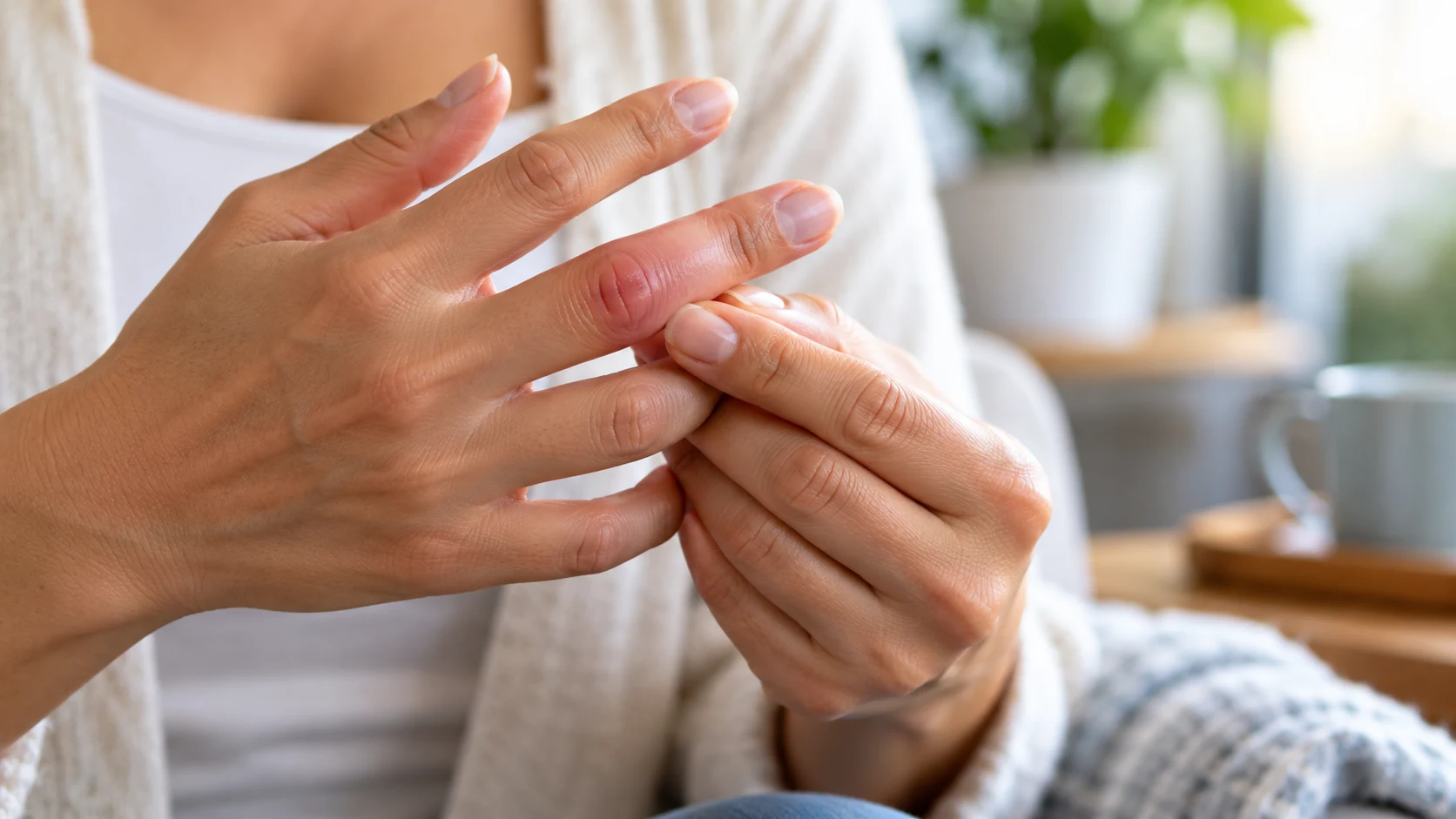
What Does It Mean When One Finger Is Swollen Without an Injury?
A single swollen finger without an obvious injury can happen for several reasons, ranging from temporary fluid buildup to irritation in a joint, tendon, skin, or surrounding tissue. The finger may look puffy, feel stiff, or become uncomfortable when bending. The exact cause often depends on whether redness, warmth, pain, or other symptoms are present.
Sometimes the swelling develops gradually and is noticed only after waking or using the hand for several hours. In other cases, it appears more suddenly even though you do not remember hitting, twisting, or straining the finger. Small repetitive stresses can also irritate tissues without creating one memorable injury.
Most mild swelling is not automatically an emergency, but persistent or worsening symptoms deserve attention. A finger that becomes very red, hot, severely painful, or difficult to move may need medical assessment. Looking at the pattern of swelling and any additional symptoms can help narrow down the possibilities.
Fluid Retention Can Make a Finger Look Swollen
Temporary fluid retention can sometimes cause swelling in the hands and fingers. Heat, high-sodium meals, dehydration, hormonal changes, or long periods of inactivity may influence how fluid is distributed throughout the body. Although both hands are often affected, one finger may occasionally look more noticeable than the others.
Swelling caused by fluid retention may feel soft or puffy rather than sharply painful. Rings can feel tighter, and the finger may seem stiff during the first few movements. Symptoms may improve after normal movement, hydration, or changes in temperature depending on the underlying reason.
Persistent swelling limited to one finger is less typical of general fluid retention and may require another explanation. If the swelling continues for several days or repeatedly returns in the same location, it is worth considering joint, tendon, skin, or circulation-related causes instead of assuming ordinary water retention.
Arthritis Can Cause One Swollen Finger
Arthritis can affect one or more finger joints and may cause swelling even when there has been no recent injury. Osteoarthritis can produce stiffness, aching, and enlargement around the joints, particularly with age or previous wear. Symptoms may become more noticeable after repeated hand use or during certain times of day.
Inflammatory arthritis can also cause a swollen finger or joint. The area may feel warm, stiff, and tender, especially in the morning or after periods of inactivity. Some forms of inflammatory arthritis eventually affect multiple joints, but early symptoms can sometimes begin in a smaller or more localized pattern.
A swollen joint that repeatedly becomes painful or stiff should be professionally assessed. Arthritis management depends on the specific type involved, and home remedies alone may not address ongoing inflammation. Early evaluation can help distinguish ordinary wear from conditions requiring more targeted treatment.
Gout Can Affect a Finger Joint
Gout occurs when uric acid crystals accumulate within a joint and trigger sudden inflammation. It most commonly affects the big toe, but fingers can also be involved. A gout flare may cause intense pain, swelling, warmth, and redness around one joint without any obvious injury.
Symptoms can appear quickly, sometimes over several hours. The affected finger may become so sensitive that even light touch feels uncomfortable. This pattern is usually more intense than ordinary stiffness or mild fluid-related swelling and may make bending the finger difficult.
Because gout can resemble infection or other inflammatory joint problems, medical assessment is useful when a joint becomes suddenly hot, red, and very painful. Treatment may involve medication and management of underlying uric acid levels rather than simply resting or icing the finger.
Tendon Irritation and Repetitive Hand Use
Tendons run through the fingers and help bend and straighten them during daily activities. Repetitive typing, gripping, lifting, gaming, crafting, or tool use can irritate these tissues even without one clear injury. The finger may become swollen, tender, or stiff after repeated movements over several hours or days.
Trigger finger is one example of a tendon-related problem. It can cause pain or swelling near the base of the finger along with catching, clicking, or locking during bending. Some people notice symptoms first thing in the morning before movement gradually becomes easier.
Reducing repetitive activity temporarily may help mild tendon irritation settle. Gentle movement can usually be maintained if it remains comfortable. Persistent locking, worsening swelling, or increasing pain should be evaluated because some tendon problems respond better to specific treatment rather than repeated rest alone.
Infection Can Cause Sudden Finger Swelling
A finger infection can develop even when there is no obvious injury because tiny cracks, cuts, hangnails, or skin irritation may allow bacteria to enter. The finger may become swollen, red, warm, and painful. In some cases, pus, drainage, or tenderness around the nail may also develop.
Infections around the nail are commonly called paronychia and may begin after nail biting, trimming, or irritation. Deeper infections can affect tissues inside the finger and may cause more severe swelling or difficulty moving. These conditions should not be repeatedly squeezed or punctured at home.
Seek medical care when swelling is accompanied by increasing redness, warmth, pus, fever, or pain that rapidly worsens. Hand infections can sometimes spread quickly because fingers contain small enclosed spaces. Early treatment may help prevent complications and restore comfortable movement sooner.
Insect Bites or Allergic Reactions
An insect bite can cause one finger to swell without the person immediately noticing what happened. The area may itch, become red, or develop a small raised mark. Mild reactions often improve gradually over hours or days as the immune response settles.
Contact with an irritating substance can also cause localized swelling. Cleaning products, plants, cosmetics, gloves, metals, or other materials may irritate the skin and create redness, itching, or puffiness. Symptoms may be more noticeable on the finger that had the greatest contact with the trigger.
Seek urgent help if swelling spreads rapidly or occurs with difficulty breathing, facial swelling, dizziness, or throat tightness. These symptoms can indicate a serious allergic reaction. Localized finger swelling without breathing problems is usually less urgent but should still be monitored for worsening redness or pain.
Circulation Problems and Finger Swelling
Changes in circulation can sometimes affect how a finger looks and feels. A finger may become swollen after prolonged pressure, tight jewelry, or unusual positioning that interferes with normal blood or lymphatic flow. Removing restrictive rings is important when swelling begins because jewelry can quickly become difficult to take off.
Color changes can provide additional clues. A finger that becomes unusually blue, pale, or very red along with swelling may have a circulation problem that needs attention. Coldness, numbness, or severe throbbing are also more concerning than simple puffiness.
Seek prompt medical care if circulation appears significantly reduced or if the finger becomes increasingly discolored and painful. Restoring normal blood flow quickly can be important. Do not continue wearing a ring or tight band on a swollen finger if it begins leaving deep marks or causes numbness.
Can Exercise Cause a Swollen Finger Without Injury?
Exercise can temporarily make the hands and fingers swell because blood flow and fluid distribution change during physical activity. This is particularly common during long walks, runs, hikes, or workouts when the arms remain hanging for extended periods. Usually more than one finger is affected, but swelling may appear unevenly.
Strength training can also leave a finger feeling irritated after repetitive gripping, even when you do not remember a specific injury. Barbells, dumbbells, pull-up bars, or machine handles place repeated pressure through the hands. Mild swelling after training may therefore reflect overuse rather than an acute finger injury.
Exercise timing matters less than how your hand responds to the activity itself. If you regularly train late, learning about working out before bed can help you organize exercise and recovery more comfortably. Persistent finger swelling after workouts, however, deserves closer assessment.
What You Can Do for Mild Finger Swelling
If the finger is mildly swollen without severe pain, begin by reducing activities that clearly make it worse. Remove rings and avoid tight gloves or anything else that compresses the finger. Gentle movement can help prevent stiffness, but do not repeatedly force the joint into painful ranges.
Elevating the hand above heart level for short periods may help reduce temporary swelling. A wrapped cold pack can also provide comfort if the finger feels irritated or warm. Avoid placing ice directly on the skin, and stop if the cold causes numbness or skin discomfort.
Monitor how the swelling changes over the next day or two. Improvement with reduced activity and gentle movement is reassuring, but worsening symptoms need more attention. If the finger remains swollen without a clear explanation, professional evaluation can help identify whether a joint, tendon, infection, or another issue is responsible.
Gentle Movement for a Stiff Swollen Finger
Gentle bending and straightening may help maintain mobility when the swelling is mild and there is no serious injury or infection. Slowly make a loose fist and then open the hand again. Keep the movement comfortable and avoid squeezing tightly if the finger becomes more painful.
Finger spreads can also encourage normal movement. Place the hand flat or hold it comfortably in front of you, then slowly move the fingers apart and back together. Small controlled repetitions are usually enough because the goal is maintaining motion rather than aggressively stretching swollen tissues.
Stop if movement causes sharp pain, increasing redness, or noticeable worsening of swelling. Exercises should not be used to push through unexplained severe symptoms. When stiffness continues despite gentle movement, a healthcare professional can determine whether specific hand therapy or another treatment is appropriate.
Things to Avoid With an Unexplained Swollen Finger
Avoid repeatedly squeezing or massaging a finger that is red, hot, or potentially infected. Pressure can increase pain and may irritate already inflamed tissues. Trying to drain a swollen area yourself can also introduce bacteria or make an existing infection worse.
Do not force a tight ring over a swollen joint or leave jewelry in place while swelling increases. Rings can become trapped as the finger enlarges and may interfere with circulation. Remove jewelry early while it still comes off easily rather than waiting until the finger becomes significantly swollen.
Avoid assuming that unexplained swelling is always caused by overuse. Arthritis, gout, infection, and other conditions can appear without trauma. If home care does not lead to improvement, continuing the same approach for weeks can delay treatment that may be more effective.
When Should You See a Doctor?
Arrange a medical assessment if one finger remains swollen for several days without an obvious reason. Recurring swelling, joint stiffness, or pain that interferes with normal hand use can suggest an underlying joint or tendon condition. A clinician can examine the finger and decide whether testing or imaging is needed.
Seek care sooner if the finger becomes very red, hot, or increasingly painful. Pus, drainage, fever, or redness spreading into the hand can indicate infection. These symptoms may require medication or another treatment rather than waiting for the swelling to disappear naturally.
Urgent evaluation is also appropriate for severe discoloration, loss of sensation, rapidly increasing swelling, or significant weakness. If a ring cannot be removed and the finger is becoming numb or discolored, seek help promptly. These signs can indicate circulation or pressure problems requiring faster treatment.
Conclusion
One swollen finger without an obvious injury can have several possible causes, including fluid retention, arthritis, gout, tendon irritation, infection, allergic reactions, or circulation changes. The appearance and timing of the swelling can provide useful clues, especially when pain, warmth, redness, or stiffness is also present.
For mild swelling, remove restrictive jewelry, reduce aggravating activity, keep the finger moving gently, and consider short periods of elevation or cold for comfort. Monitor whether symptoms improve rather than repeatedly forcing movement. Persistent swelling deserves evaluation even when the finger was never injured.
Seek medical care promptly for severe pain, spreading redness, fever, pus, major discoloration, numbness, or rapidly worsening swelling. These symptoms may represent more than simple fluid buildup. Finding the underlying cause is the best way to choose effective relief and protect normal hand function.
FAQs
Why is only one finger swollen without an injury?
Possible causes include arthritis, tendon irritation, gout, infection, an insect bite, or localized circulation changes. Persistent swelling is worth evaluating because general fluid retention more commonly affects several fingers.
Can arthritis make just one finger swell?
Yes. Arthritis can initially affect one joint and cause swelling, stiffness, tenderness, or aching. Recurrent or persistent joint swelling should be assessed to determine which type of arthritis or inflammation may be involved.
Should I ice a swollen finger?
A wrapped cold pack may provide temporary relief for mild swelling or irritation. Avoid direct ice contact with the skin and seek medical advice if the finger is very red, infected, numb, or worsening.
When is a swollen finger an emergency?
Seek urgent care for severe discoloration, loss of sensation, rapidly increasing swelling, or circulation problems. Fever, spreading redness, pus, or severe pain can also indicate an infection requiring prompt treatment.
How long should finger swelling last?
Mild temporary swelling may improve within a day or two depending on the cause. Swelling that lasts several days, repeatedly returns, or becomes increasingly painful should be professionally evaluated.