
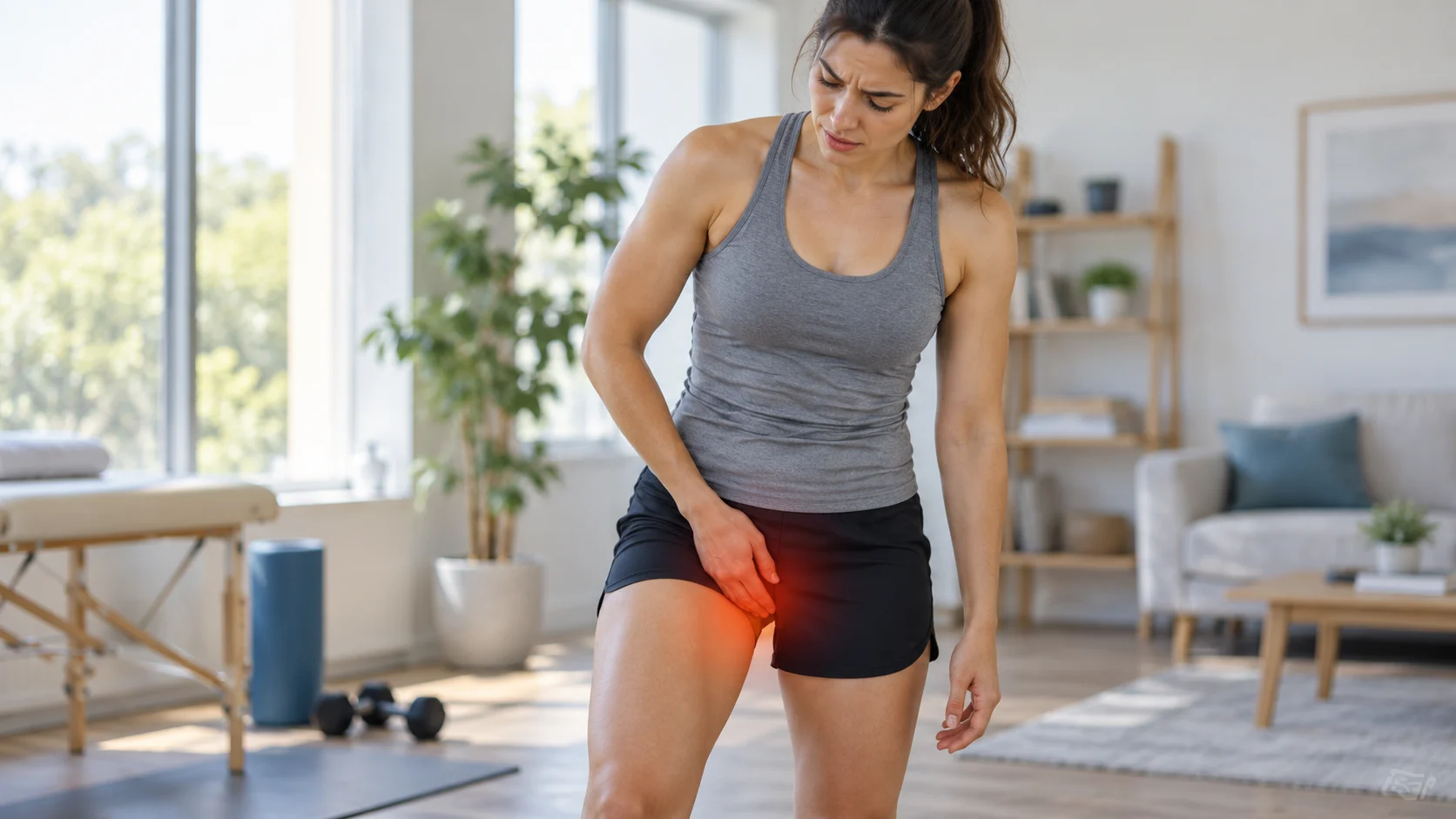
What Does Pain in the Inner Thigh Near the Groin Mean?
Pain in the inner thigh near the groin can come from muscles, tendons, joints, nerves, or other structures around the pelvis and upper leg. The discomfort may feel sharp, aching, pulling, burning, or tender depending on the cause. Some people notice symptoms only while moving, while others feel them even when sitting or resting.
The inner thigh contains several adductor muscles that help move the leg toward the body’s midline and stabilize the hip. These muscles work during walking, running, changing direction, squatting, and climbing stairs. When they are strained, fatigued, or irritated, pain can develop close to where the upper thigh meets the pelvis.
Not every groin-area symptom is muscular, however. Hip joint problems, hernias, nerve irritation, and other medical conditions can create similar discomfort. Paying attention to how the pain started, where it travels, and which movements make it worse can help narrow down the possible cause.
Groin Strain and Adductor Muscle Pain
A groin strain is one of the most common reasons for pain along the upper inner thigh. It occurs when one or more adductor muscles are stretched or loaded beyond what they can tolerate. Sudden direction changes, sprinting, kicking, slipping, or rapidly increasing exercise intensity can all place significant stress on these muscles.
Symptoms may include tenderness near the groin, pain when bringing the legs together, discomfort during walking, or a pulling sensation when stretching the inner thigh. Mild strains may allow normal daily movement, while more significant injuries can make running, stairs, or even getting in and out of a car uncomfortable.
Early management usually involves reducing movements that clearly aggravate the area while keeping comfortable activity where possible. Aggressive stretching immediately after an injury may make symptoms worse. As pain settles, gradual strengthening and a controlled return to activity can help rebuild the muscle’s ability to tolerate load.
Overuse and Repetitive Activity
Inner-thigh pain does not always begin with one obvious injury. Repeated running, walking, sports practice, or lower-body workouts can gradually overload the adductors and nearby tendons. Symptoms may develop slowly over several days or weeks, especially when training volume increases faster than the body can adapt.
Sports involving cutting and lateral movement place particularly high demands on the groin. Soccer, hockey, basketball, tennis, and martial arts repeatedly require the adductors to control the legs as the body accelerates or changes direction. Fatigue can make these movements more difficult to manage and may contribute to irritation.
Reducing training load temporarily can help when overuse is the main issue. Instead of stopping all movement, adjust the activities that provoke symptoms most strongly. Returning gradually is important because jumping straight back to full-intensity training may reproduce the same overload that caused the pain initially.
Hip Joint Problems Can Cause Groin Pain
The hip joint sits deep within the groin region, so problems inside the joint can sometimes feel like inner-thigh pain. Arthritis, labral problems, impingement, or other hip conditions may produce discomfort near the front or inside of the hip rather than directly over the outer side.
Hip-related pain may become more noticeable during deep squats, getting in and out of a car, twisting, or sitting for long periods. Some people notice catching, clicking, stiffness, or reduced movement alongside the discomfort. These signs do not prove a specific diagnosis, but they can suggest the hip joint deserves closer assessment.
Persistent groin pain that seems connected to hip movement should be evaluated rather than repeatedly stretched. A physiotherapist, doctor, or other qualified professional can assess hip mobility, strength, and symptom patterns. Treatment may include exercise, activity modification, or other approaches depending on the underlying cause.
Tendon Problems Around the Inner Thigh
The adductor tendons connect the inner-thigh muscles to the pelvis and upper leg. Repetitive loading can sometimes irritate these tendons, particularly in people who run, kick, or perform frequent changes of direction. Tendon-related pain often develops gradually and may feel more localized than general muscle soreness.
Symptoms can become noticeable during squeezing movements, resisted hip adduction, or activities that require strong push-off. The area may feel tender near the attachment point close to the groin. Unlike a sudden muscle strain, tendon discomfort may persist for longer and respond poorly to repeated rest without progressive strengthening.
Tendon rehabilitation usually focuses on gradually restoring load tolerance rather than avoiding activity indefinitely. Carefully progressed strengthening can help the tendon adapt to higher forces over time. If pain continues for weeks or repeatedly returns whenever activity increases, professional guidance can help determine whether the tendon is the main source.
Can a Hernia Cause Inner-Thigh or Groin Pain?
A hernia can cause groin discomfort when tissue pushes through a weakened area of the abdominal wall. Inguinal hernias are among the most common types affecting the groin region. Some people notice an ache, pressure, or visible bulge that becomes more obvious when coughing, lifting, standing, or straining.
Hernia pain may be confused with a muscle strain because both can worsen during physical activity. However, a noticeable lump or bulge, heaviness, or symptoms related to coughing can point toward a different problem. The discomfort may also extend toward the upper inner thigh depending on the location.
Seek medical care if you suspect a hernia, particularly when the bulge becomes very painful, firm, or cannot be pushed back in. Severe pain accompanied by nausea, vomiting, or abdominal symptoms requires urgent attention. These problems should not be managed only with stretching or strengthening exercises.
Nerve Irritation and Referred Pain
Nerves supplying the groin and upper thigh can sometimes become irritated or compressed, creating burning, tingling, numbness, or shooting pain. The discomfort may not come directly from the inner-thigh muscles even though that is where symptoms are felt. Nerve-related pain can sometimes originate near the spine, pelvis, or hip.
Symptoms that travel, feel electrical, or include numbness are more suggestive of nerve involvement than a simple muscle strain. Certain sitting positions, back movements, or hip positions may increase the discomfort. Weakness in the leg can also occur depending on which nerve or nerve root is affected.
Persistent neurological symptoms should be assessed by a healthcare professional. Gentle movement may be helpful in some situations, but aggressive stretching is not always appropriate. An evaluation can help distinguish between nerve irritation, muscle problems, and other conditions that may produce similar inner-thigh symptoms.
Lower-Body Mechanics and Nearby Structures
Pain around the groin can sometimes appear alongside changes elsewhere in the lower body. The hip, knee, ankle, and foot work together whenever you walk or run, so reduced strength or control in one area may alter how another region handles force. This does not mean every nearby joint problem directly causes groin pain.
For example, knee ligaments and surrounding muscles help manage stability during weight-bearing activities. Understanding terms such as LCL meaning can help clarify how different structures support lower-body movement. However, outer-knee ligament problems and inner-thigh pain usually involve different tissues and should not be assumed to have the same cause.
A broader movement assessment can be useful when symptoms repeatedly return during walking, running, or sport. Hip strength, balance, stride mechanics, and ankle movement may all influence how loads are distributed. Addressing the whole movement pattern can sometimes be more useful than focusing only on the exact point of pain.
Inner-Thigh Pain After Exercise
Muscle soreness after unfamiliar exercise can affect the adductors, especially after lunges, lateral movements, wide-stance squats, or sports drills. Delayed onset muscle soreness usually develops several hours after activity and may feel strongest the next day. The area often feels tender, stiff, or uncomfortable when stretching or squeezing the legs together.
Normal soreness should gradually improve over a few days. Gentle movement, adequate sleep, hydration, and sensible recovery can help the muscles return to normal function. Light walking or easy mobility may feel better than remaining completely inactive when symptoms are mild and clearly related to exercise.
Sharp pain during the workout is different from ordinary delayed soreness. If you felt a sudden pull, snap, or intense pain, a muscle strain may be more likely. Significant swelling, bruising, or weakness should also be taken more seriously than typical post-workout stiffness.
Inner-Thigh and Groin Pain in Women
Women may experience groin or inner-thigh pain for musculoskeletal reasons such as strains, hip problems, or overuse, but pelvic and reproductive causes can also produce discomfort in the same region. Symptoms may sometimes relate to menstruation, pregnancy, pelvic floor tension, or other gynecological conditions.
Pain linked with menstrual cycles, unusual bleeding, pelvic pressure, or abdominal symptoms deserves medical consideration rather than being treated only as a muscle problem. Pregnancy can also change load through the pelvis and hips, making some types of musculoskeletal discomfort more common as the body adapts.
Sudden severe pelvic or groin pain, especially with dizziness, heavy bleeding, fever, or feeling seriously unwell, requires prompt medical assessment. Because several different systems can produce similar symptoms, persistent unexplained pain should not be self-diagnosed purely based on its location.
Simple Relief Options for Mild Inner-Thigh Pain
For mild symptoms, temporarily reduce movements that clearly increase pain. You may still be able to walk or perform light activity if it feels comfortable. Avoid repeatedly testing the painful area with deep stretches or high-intensity exercise because this can keep irritated muscles or tendons from settling.
Cold or heat may provide temporary comfort depending on the type of symptoms. Some people prefer cold after a recent strain or when the area feels irritated, while warmth may feel better for stiffness. Protect the skin and use either option for comfort rather than expecting it to repair the underlying cause.
As symptoms improve, gentle strengthening can gradually restore capacity. Bridges, controlled adductor squeezes, side movements, and later lunges may be appropriate depending on the problem. Progress slowly, and reduce the difficulty if exercises cause sharp pain or make symptoms clearly worse afterward.
When Should You Get Medical Help?
Seek medical attention after a significant injury if you cannot walk normally, have major swelling or bruising, or feel severe pain around the groin. A substantial muscle tear, fracture, or hip injury may require assessment and possibly imaging. Continuing normal exercise through these symptoms can delay appropriate treatment.
You should also get checked if pain lasts for several weeks, repeatedly returns, or becomes progressively worse. Persistent groin symptoms may involve tendons, hip structures, nerves, or other causes that require more specific management. A professional assessment can help prevent months of treating the wrong problem.
Urgent care is important for severe groin pain accompanied by a painful bulge, fever, vomiting, heavy bleeding, major swelling, or sudden neurological symptoms. These signs may indicate a condition that goes beyond ordinary muscle soreness. When the pain feels dramatically different from your usual exercise discomfort, it is safer to get medical advice.
Conclusion
Pain in the inner thigh near the groin can result from several different problems, including muscle strains, tendon irritation, hip conditions, nerve symptoms, overuse, or hernias. The way the pain started and which movements trigger it can provide useful clues. Sudden sports-related pain is often different from gradually developing discomfort or symptoms unrelated to activity.
Mild muscle-related pain may improve with temporary load reduction, comfortable movement, and gradual strengthening. Avoid forcing deep stretches when the area is acutely painful, and rebuild activity slowly as symptoms settle. Recurring pain often requires more than short-term rest because the underlying tissues may need better strength and load tolerance.
Persistent, severe, or unusual groin pain deserves professional assessment. Significant swelling, bruising, weakness, numbness, a painful groin bulge, fever, or difficulty walking are important warning signs. Getting the correct diagnosis can help you choose appropriate treatment instead of repeatedly guessing at the cause.
FAQs
What is the most common cause of inner-thigh pain near the groin?
A groin or adductor muscle strain is a common cause, particularly after running, kicking, or changing direction. However, hip, tendon, nerve, and other medical conditions can cause similar pain.
How do I know if I pulled my groin?
A groin strain often causes pain after a sudden movement, along with tenderness and discomfort when squeezing the legs together. More severe strains may also cause swelling, bruising, or weakness.
Should I stretch inner-thigh pain?
Gentle stretching may help mild tightness, but aggressive stretching can irritate an acute strain or tendon problem. Stop if stretching causes sharp pain, burning, or worsening symptoms afterward.
Can hip problems cause pain in the inner thigh?
Yes. Hip joint problems can produce pain in the groin or upper inner thigh because the joint lies deep within this region. Stiffness, clicking, or pain during hip movement may also occur.
When should I worry about groin pain?
Seek medical help for severe or persistent pain, major swelling, inability to walk, numbness, fever, heavy bleeding, or a painful groin bulge. These symptoms may require more than routine home care.