
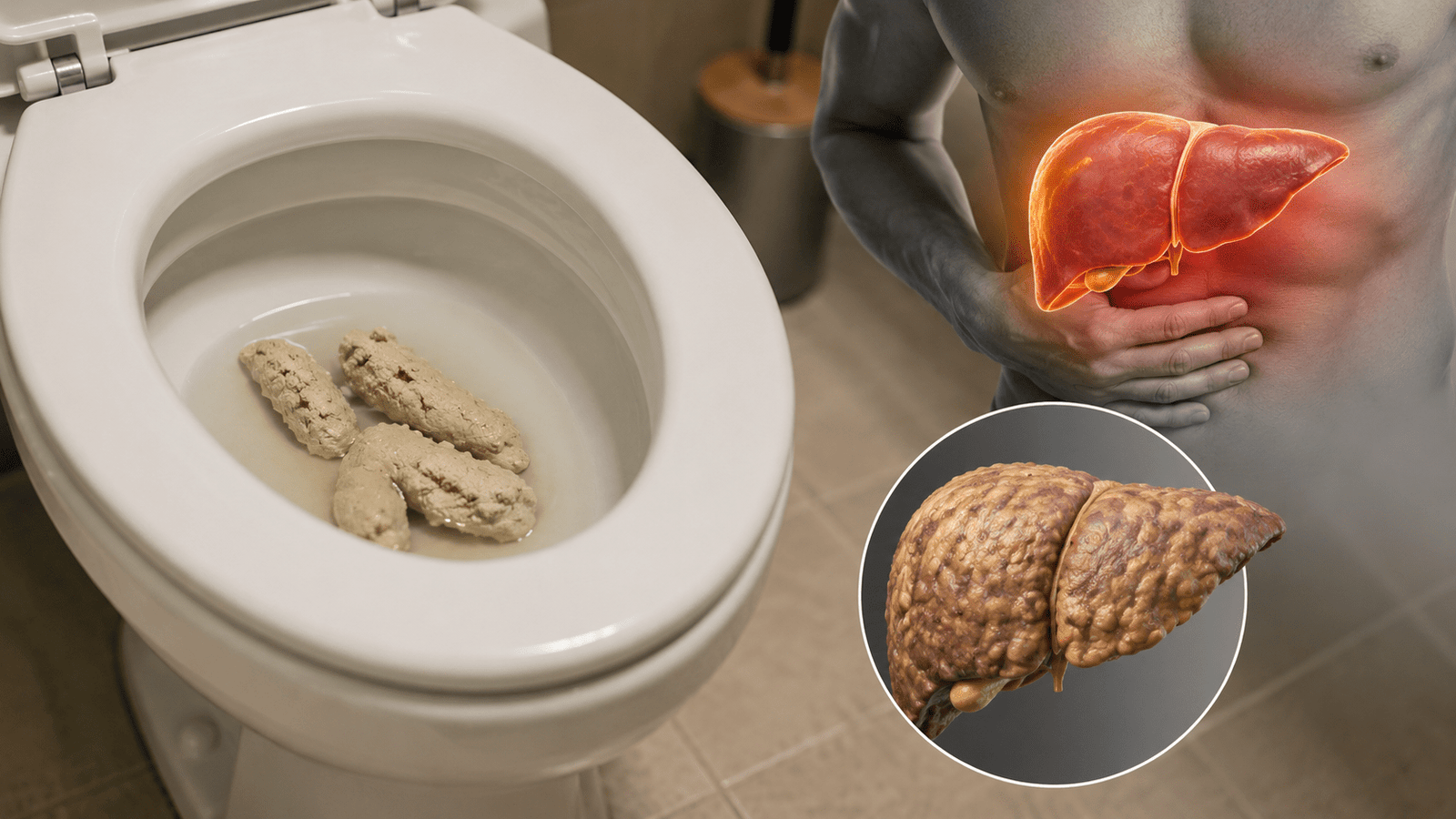
Pale Stool & Liver Disease: Pictures, Causes & Signs
Pale stool can be alarming, especially when it appears gray, clay-colored, beige, putty-like, or noticeably lighter than a person’s usual bowel movements. Stool normally gets much of its brown color from bile pigments that enter the digestive tract from the liver and gallbladder. When less bile reaches the intestines, stool can lose some of that characteristic brown color. This is why pale stool is sometimes associated with liver disease, bile duct blockage, gallbladder problems, or pancreatic conditions. However, one light-colored bowel movement does not automatically mean a serious liver problem is present. Diet, medications, temporary digestive changes, and differences in lighting can also affect stool appearance.
The relationship between pale stool and liver disease comes from the way bile is produced and transported. The liver makes bile, which helps digest fats and carries waste products such as bilirubin. Bile travels through small ducts into the gallbladder and intestine, where its pigments contribute to normal brown stool. If the liver cannot produce or process bile properly, or if the bile ducts become blocked, less pigment may reach the stool. Persistent pale or clay-colored bowel movements can therefore be an important clue that something is interfering with bile flow. Other symptoms often provide additional information about whether the liver or biliary system may be involved.
People searching for pale stool pictures often want to know exactly what abnormal stool looks like. Truly concerning pale stool is generally much lighter than ordinary tan or light-brown stool and may look grayish-white, clay-colored, chalky, or putty-like. Color alone is still not enough to make a diagnosis because stool appearance can vary with food, hydration, medications, supplements, and bowel transit time. The pattern matters more than a single photograph. Stool that remains unusually pale across several bowel movements, particularly when accompanied by yellow skin, dark urine, itching, upper abdominal pain, fever, or unexplained weight loss, deserves medical attention.
Liver disease is only one possible explanation for pale stool. Gallstones can obstruct bile ducts, inflammation can interfere with bile flow, and diseases involving the pancreas may compress or block nearby ducts. Certain medications and medical procedures can also change stool color temporarily. In infants and children, very pale or white stool can have different implications and may require prompt pediatric evaluation. The cause therefore depends on age, symptoms, medical history, and how long the change has been present. A clinician may use blood tests, imaging, stool history, and examination to determine why the color has changed.
This guide explains what pale stool looks like, how liver disease can affect stool color, common causes, associated signs, and when a change should be checked urgently. It also discusses bile duct problems, gallbladder disease, hepatitis, cirrhosis, pancreatic conditions, dark urine, jaundice, itching, abdominal pain, and diagnostic testing. The aim is to help readers distinguish occasional harmless variation from patterns that may indicate a problem with the liver or bile system. Stool color can provide useful information, but it should always be interpreted alongside the rest of a person’s symptoms. Persistent or unexplained changes deserve proper medical evaluation rather than diagnosis from pictures alone.
What Does Pale Stool Look Like?
Pale stool is usually noticeably lighter than a person’s normal bowel movements and may range from very light beige to gray, clay, off-white, or putty-like. Normal stool can vary from light brown to dark brown depending on diet and digestion, so not every lighter bowel movement is abnormal. The more concerning appearance is stool that has lost most of its typical brown coloration. Some people describe it as looking like wet clay, cement, chalk, or pale modeling putty. Consistency can still vary from formed to loose, meaning color is the main feature rather than texture alone.
A picture of pale stool associated with reduced bile flow would typically show a dull gray, whitish, or clay-toned bowel movement rather than ordinary tan stool. Lighting can make photographs misleading, especially under warm bathroom lights or camera filters. A light brown stool may appear much paler in a photograph than it does in person. This is one reason online image comparison is unreliable for diagnosis. The more useful question is whether the stool represents a clear and repeated change from the person’s normal color. Several unusually pale bowel movements are more meaningful than one questionable photograph.
People sometimes confuse pale stool with yellow stool. Yellow stool may occur when food moves through the digestive tract quickly, when fat is not absorbed properly, or because of diet and other digestive conditions. Pale or acholic stool, by contrast, refers more specifically to stool with reduced brown bile pigment. It may appear grayish, clay-colored, or nearly white rather than bright yellow. This distinction matters because the causes can differ. Still, color descriptions are subjective, and a clinician may need additional symptoms and testing before deciding whether bile flow is actually reduced.
Greasy or floating stool may sometimes occur alongside pale coloring when fat digestion is impaired. Bile helps break down fats, so reduced bile entering the intestine can contribute to poor fat absorption. Such stools may look bulky, oily, difficult to flush, or unusually foul-smelling. However, these features can also occur with pancreatic or intestinal conditions unrelated to the liver. Color and texture together may therefore provide clues but do not identify the cause by themselves. Persistent greasy, pale bowel movements accompanied by weight loss or nutritional problems deserve medical evaluation.
A one-time pale stool is usually less concerning than a consistent pattern. Foods, temporary digestive disturbances, or medications can occasionally change stool color for a short period. If the next bowel movements return to normal brown, there may be no continuing problem. Persistent gray, white, or clay-colored stools are different because they can suggest that bile pigments are not reaching the intestine normally. When the change lasts more than a short period or occurs with other symptoms, a healthcare professional should evaluate it. The duration and accompanying signs are often more informative than the exact shade.
Why Liver Disease Can Cause Pale Stool
The liver produces bile, a yellow-green digestive fluid that plays several important roles in the body. Bile contains bile salts, cholesterol, and waste products, including bilirubin produced from the breakdown of old red blood cells. After being produced in the liver, bile travels through a network of ducts and may be stored in the gallbladder before entering the small intestine. As bile pigments move through the digestive tract, they are chemically altered by intestinal bacteria. These pigments contribute significantly to the brown color of normal stool. Any problem that reduces bile production or blocks its movement can therefore make stool lighter.
Liver disease can interfere with bile production or processing in different ways. Inflammation from hepatitis may impair liver cell function, while advanced scarring from cirrhosis can disrupt normal bile movement. Certain forms of cholestatic liver disease specifically reduce or obstruct bile flow. When less bilirubin reaches the intestine, less brown pigment is formed in the stool. At the same time, bilirubin can build up in the bloodstream and tissues. This helps explain why pale stool may occur together with jaundice, which causes yellowing of the skin or whites of the eyes.
The problem does not always begin within the liver itself. Bile must pass from the liver through the bile ducts before reaching the intestine. Gallstones, inflammation, scar tissue, tumors, or narrowing of these ducts can prevent normal flow even if the liver is still producing bile. This situation is often described as biliary obstruction or cholestasis. When obstruction is significant, stool can become very pale because bile pigments cannot enter the digestive tract normally. The urine may simultaneously become unusually dark as more bilirubin is eliminated through the kidneys.
Reduced bile flow can also affect digestion because bile salts help the body absorb dietary fats and fat-soluble vitamins. People with significant cholestasis may therefore experience greasy stools, diarrhea, poor absorption, weight loss, or vitamin deficiencies over time. Itching is another possible symptom because bile-related substances may accumulate in the bloodstream and skin. These additional features make persistent pale stool more meaningful when evaluating liver and biliary disease. A single stool color change without other symptoms carries much less diagnostic information.
It is important to remember that pale stool does not reveal which specific liver or bile disorder is present. Hepatitis, cirrhosis, bile duct obstruction, gallbladder disease, and pancreatic conditions can sometimes produce similar changes. Laboratory testing can measure bilirubin and liver enzymes, while ultrasound or other imaging may evaluate the gallbladder, liver, pancreas, and bile ducts. The goal is to identify whether bile flow is impaired and why. Stool appearance is therefore a clue that can prompt further evaluation rather than a diagnosis on its own.
Liver Conditions That May Cause Pale Stool
Hepatitis refers to inflammation of the liver and can result from viral infections, alcohol, medications, immune conditions, toxins, or metabolic problems. Some forms of hepatitis interfere with the liver’s ability to process bilirubin and move bile effectively. When this happens, a person may notice pale stool along with fatigue, nausea, reduced appetite, dark urine, abdominal discomfort, or jaundice. Not everyone with hepatitis develops pale stools, and some people have few symptoms. The presence of pale stool therefore does not confirm hepatitis, but it can be relevant when other signs of liver inflammation are present.
Cirrhosis is advanced scarring of the liver caused by long-term injury. The scar tissue can distort normal liver structure and interfere with blood flow, bile flow, and many metabolic functions. In advanced disease, people may experience jaundice, abdominal swelling, easy bruising, fatigue, confusion, itching, and changes in stool or urine color. Pale stool can occur if bile movement becomes impaired. Cirrhosis has many possible causes, including chronic viral hepatitis, alcohol-related liver injury, and metabolic liver disease. Because early cirrhosis can be relatively silent, medical evaluation is important when persistent symptoms develop.
Cholestatic liver diseases specifically affect the production or flow of bile. Intrahepatic cholestasis occurs when the problem is within the liver, while extrahepatic cholestasis results from obstruction outside it. Symptoms can include intense itching, jaundice, dark urine, pale stools, fatigue, and sometimes abdominal discomfort. The degree of stool discoloration can depend on how much bile flow is reduced. These conditions may require blood testing and imaging to determine where the problem is occurring. Treatment depends heavily on the underlying cause rather than the stool color itself.
Certain autoimmune liver and bile duct conditions can also produce pale stools through chronic disruption of bile flow. These disorders may progress gradually and initially present with fatigue, itching, abnormal liver tests, or jaundice rather than dramatic abdominal pain. Over time, reduced bile movement can contribute to pale or greasy bowel movements. Because symptoms can overlap with more common digestive conditions, diagnosis often requires specialized laboratory testing and imaging. Early identification is useful because some conditions can be managed more effectively before advanced liver damage develops.
Liver tumors or cancers that involve the liver or nearby bile ducts may occasionally block bile drainage and cause pale stool. This is much less common than many benign causes but becomes more concerning when pale stool occurs with persistent jaundice, unexplained weight loss, reduced appetite, abdominal swelling, or worsening pain. These symptoms should not be interpreted from stool appearance alone. Many noncancerous conditions can produce the same pattern. Persistent signs require medical investigation so the actual cause can be identified rather than assumed.
Gallbladder and Bile Duct Causes
Gallstones are one of the more common causes of temporary or persistent bile duct blockage. Stones usually form inside the gallbladder, but one can move into the common bile duct and prevent bile from reaching the small intestine normally. When obstruction is significant, stool may become pale while urine becomes dark. Pain can develop in the upper right or upper middle abdomen, sometimes spreading toward the back or shoulder. Nausea and vomiting may accompany the pain. Some stones cause no symptoms, while others can produce serious complications if they block bile flow for too long.
Inflammation of the gallbladder can also affect normal biliary function. Gallbladder inflammation often develops when a gallstone blocks the duct that drains the gallbladder. Symptoms may include persistent right upper abdominal pain, fever, nausea, tenderness, and discomfort after eating. Pale stool is not always present, but it may occur if the broader bile drainage system is affected. Gallbladder inflammation can sometimes become serious and require urgent treatment. Severe or persistent upper abdominal pain with fever or jaundice should therefore be medically assessed rather than managed solely at home.
Bile duct narrowing, sometimes called a stricture, can reduce bile movement even without a stone. Scar tissue may develop after surgery, inflammation, injury, or certain chronic diseases. A narrowing can produce intermittent or persistent obstruction depending on its severity. Symptoms may include jaundice, dark urine, pale stool, itching, abdominal discomfort, or recurrent infections. Imaging can help identify whether a bile duct is enlarged or narrowed. Treatment depends on the cause and may involve procedures designed to open or bypass the obstruction.
Infection of the bile ducts can occur when obstructed bile allows bacteria to multiply. This can become a medical emergency, especially when jaundice occurs with fever, chills, and significant upper abdominal pain. Pale stool may be present because bile flow is impaired, but the systemic symptoms are more important from a safety perspective. Severe weakness, confusion, or low blood pressure can indicate a dangerous progression. People with this combination of symptoms require urgent medical care. Waiting for stool color to normalize would not be appropriate in that situation.
The gallbladder and bile ducts are closely connected with the liver, which is why symptoms from these organs often overlap. A person may assume pale stool means the liver itself is damaged when the actual problem is a stone or obstruction downstream. Conversely, liver disease can produce similar signs without a gallstone. Blood tests and imaging help separate these possibilities. An ultrasound is commonly used to look for gallstones and bile duct enlargement, while additional imaging may be needed when the cause remains unclear. Diagnosis depends on the entire biliary system rather than stool color alone.
Pancreatic Causes of Pale Stool
The pancreas sits close to the bile duct and the first part of the small intestine, so pancreatic disease can sometimes interfere with bile flow. The common bile duct passes near or through the head of the pancreas before emptying into the intestine. Swelling, inflammation, cysts, or tumors in this region can compress the duct and reduce bile drainage. When that happens, stool may become pale and urine may darken. Jaundice can also appear because bilirubin accumulates in the bloodstream. This anatomical relationship explains why pale stool is not always caused directly by liver disease.
Pancreatitis is inflammation of the pancreas and can cause severe upper abdominal pain, often radiating into the back. Nausea, vomiting, fever, and abdominal tenderness may also occur. Acute pancreatitis does not necessarily cause pale stool, but inflammation near the bile duct can contribute when biliary obstruction is involved. Gallstones are themselves a major trigger for some cases of pancreatitis. Severe abdominal pain that persists for hours should be evaluated urgently, particularly when vomiting, fever, or jaundice is present. Stool appearance should not delay emergency assessment of significant pain.
Chronic pancreatic disease can affect digestion by reducing the production of digestive enzymes. When fat is not properly digested, stools may become bulky, greasy, foul-smelling, pale, and difficult to flush. This type of stool change is often related to fat malabsorption rather than simply a lack of bile pigment. People may also experience weight loss, bloating, abdominal discomfort, and nutritional deficiencies. Pancreatic enzyme insufficiency can occur in several chronic pancreatic conditions. Laboratory testing, imaging, and sometimes stool studies help determine whether the pancreas is contributing to poor digestion.
Pancreatic tumors can sometimes obstruct the bile duct, particularly when they arise near the head of the pancreas. Possible signs may include painless jaundice, dark urine, pale stool, itching, unexplained weight loss, loss of appetite, or abdominal and back discomfort. These symptoms are not specific to cancer, and benign conditions can produce similar findings. Still, persistent jaundice or pale stools with unexplained weight loss deserve prompt medical evaluation. Early investigation is important because the underlying problem may require timely treatment.
The pancreas, liver, gallbladder, and bile ducts function as an interconnected digestive system, so symptoms can overlap considerably. A person with pale greasy stool may have reduced bile flow, impaired pancreatic enzyme production, or another intestinal absorption problem. The visual appearance alone cannot reliably distinguish among these conditions. Clinicians may combine liver blood tests, pancreatic tests, abdominal imaging, and symptom history to narrow the possibilities. Understanding this overlap helps explain why stool pictures are educational but cannot replace medical diagnosis.
Other Causes of Light or Pale Stool
Diet can sometimes make stool temporarily lighter without indicating liver disease. Eating unusually large amounts of light-colored foods or changing dietary patterns may affect stool shade for a bowel movement or two. High-fat meals can also alter stool appearance in some people, especially if digestion is temporarily disrupted. These changes usually resolve as the diet normalizes. The stool should still generally retain some brown coloration if bile flow is normal. Persistent gray or white stools are more concerning than ordinary variations from tan to medium brown.
Certain medications and diagnostic substances can affect stool color. Some antacids, contrast agents used during imaging procedures, and other products may temporarily make bowel movements lighter. The timing of the color change relative to medication use or a medical test can provide an important clue. People should review recent medications rather than stopping prescribed treatments on their own. If a new medication coincides with persistent pale stool, a pharmacist or healthcare professional can explain whether the effect is expected. Medical advice is particularly important when the change is accompanied by jaundice or dark urine.
Diarrhea and rapid intestinal transit can also change stool color because pigments have less time to undergo their usual chemical transformations. Such stools may appear yellowish or lighter brown rather than truly clay-colored. Gastrointestinal infections, food intolerance, stress, and other conditions can accelerate transit. If diarrhea resolves and stool returns to brown, bile obstruction becomes less likely. Persistent pale stool without diarrhea, especially when combined with other biliary symptoms, deserves more attention. The surrounding digestive pattern therefore helps interpret color.
Poor absorption of fats can produce pale or light-colored stools in conditions affecting the small intestine. These bowel movements may appear oily, float frequently, have an unusually strong odor, or leave a greasy film in the toilet. Conditions that interfere with nutrient absorption can therefore resemble liver or pancreatic problems. Weight loss, anemia, bloating, or nutritional deficiencies may develop when malabsorption is significant. Testing can help distinguish intestinal causes from reduced bile or pancreatic enzyme flow. Visual inspection alone cannot reliably identify the source.
Young children and infants require special consideration because very pale or white stool can have different implications. In newborns, persistent acholic stool may signal a problem with bile drainage that requires prompt medical assessment. Parents should not wait for repeated episodes if an infant has clearly white, chalky, or clay-colored bowel movements, especially with jaundice. Pediatric evaluation is important because some causes require early treatment. Adult explanations for temporary stool changes should therefore not automatically be applied to babies.
Pale Stool and Other Signs of Liver Disease
Jaundice is one of the most recognizable signs that can accompany reduced bile flow. It causes yellow discoloration of the skin and the whites of the eyes when bilirubin builds up in the bloodstream. Pale stool becomes more concerning when it appears together with jaundice because both can reflect problems processing or transporting bile. The yellowing may begin subtly in the eyes before becoming noticeable elsewhere. Jaundice has multiple possible causes involving the liver, bile ducts, blood cells, or pancreas. It requires medical assessment rather than self-diagnosis based only on appearance.
Dark urine is another important accompanying sign. When bilirubin cannot move into the intestine normally, more of it may enter the bloodstream and be filtered through the kidneys. Urine can then become tea-colored, cola-colored, or noticeably darker despite adequate hydration. The combination of pale stool and dark urine is more suggestive of a bile-flow problem than either symptom alone. Dehydration can also darken urine, but it does not usually cause clay-colored stools. Persistent changes in both should therefore be discussed with a healthcare professional.
Generalized itching can occur in some forms of cholestasis because substances normally excreted in bile accumulate in the body. The itching may be intense and can occur without an obvious rash. Some people notice it particularly on the hands and feet or find that it becomes worse at night. Itching alone has many common causes, including dry skin and allergies, but the combination of itching, jaundice, dark urine, and pale stool is more significant. These symptoms together suggest that bile flow should be evaluated. Persistent unexplained itching with liver-related signs should not be dismissed.
Fatigue, appetite changes, nausea, and weight loss can also occur with liver or biliary disease. These symptoms are nonspecific and may result from many illnesses, stress, sleep problems, infections, or digestive conditions. Their significance increases when several occur together with jaundice or persistent pale bowel movements. Advanced liver disease can additionally cause abdominal swelling, leg swelling, easy bruising, confusion, or muscle loss. These later signs require medical attention because they can reflect impaired liver function. Stool color is only one piece of the overall clinical picture.
Upper abdominal discomfort may provide additional clues about the likely source. Pain in the right upper abdomen can occur with gallbladder or liver problems, while pain extending into the back may raise concern for pancreatic involvement in the appropriate setting. Gallstone pain can develop after meals and sometimes become intense. Fever or chills combined with jaundice and abdominal pain can suggest infection or obstruction requiring urgent treatment. The pattern of pain, timing, severity, and associated symptoms helps clinicians decide which tests are most appropriate.
When Pale Stool May Be an Emergency
Pale stool by itself is not always an emergency, especially when it occurs only once and the person otherwise feels well. However, pale stool combined with jaundice should be evaluated promptly because it can indicate significant impairment of bile flow. The concern becomes greater when the change persists or worsens over several bowel movements. Yellow skin or eyes suggest bilirubin is accumulating in the bloodstream. A healthcare professional may need to perform blood tests and imaging to identify whether the liver, gallbladder, bile ducts, or pancreas is responsible. Delaying evaluation can allow some obstructive conditions to worsen.
Severe abdominal pain is another reason to seek urgent care, particularly when it is persistent or located in the upper abdomen. Gallstones, acute gallbladder inflammation, pancreatitis, and bile duct obstruction can all cause significant pain. Vomiting, fever, chills, or jaundice increase concern. A person experiencing intense pain should not wait to see whether stool color returns to normal. Some of these conditions can lead to infection or other complications without treatment. The severity of the overall symptoms matters more than the appearance of the stool alone.
Fever and chills with pale stool and jaundice can indicate infection involving the bile ducts or gallbladder. Such infections can progress quickly and may enter the bloodstream. Weakness, confusion, fainting, rapid heartbeat, or low blood pressure can signal a more serious systemic response. Emergency medical assessment is appropriate when these symptoms are present. The person may require intravenous fluids, antibiotics, imaging, or a procedure to relieve an obstruction. Home remedies are not sufficient for a potentially infected blocked bile duct.
Unexplained weight loss, persistent loss of appetite, or progressive weakness should also prompt medical evaluation when combined with pale stools. These symptoms do not necessarily indicate a dangerous disease, but they suggest that the digestive or biliary problem may have been present for some time. Chronic liver disease, pancreatic disorders, malabsorption, and other conditions can contribute to these patterns. Earlier investigation can identify treatable causes and prevent nutritional complications. Waiting for symptoms to become severe is not necessary before seeking help.
Infants with clearly white or clay-colored stool need particularly prompt medical evaluation. Problems with bile drainage in early infancy can require timely treatment, and parents should not rely on adult explanations for stool-color variation. Taking a photograph for the pediatric clinician may be useful, but the image should support rather than replace medical assessment. If a baby also has jaundice, poor feeding, dark urine, lethargy, or poor weight gain, the need for evaluation becomes even more important. Very pale infant stool deserves attention even when the child does not appear severely ill.
How Doctors Diagnose the Cause of Pale Stool
Diagnosis begins with a careful history of the stool change and other symptoms. A healthcare professional may ask when the pale color started, whether every bowel movement is affected, and whether the stool is greasy, floating, loose, or difficult to flush. Questions about dark urine, jaundice, itching, pain, fever, nausea, weight loss, medications, alcohol use, and recent procedures can provide additional clues. Medical history may reveal previous gallstones, liver problems, pancreatic disease, or digestive disorders. These details help determine whether the issue is likely temporary or requires more extensive investigation.
Physical examination can identify signs that are difficult to assess from a photograph. A clinician may look for yellowing of the eyes or skin, abdominal tenderness, swelling, bruising, dehydration, or evidence of chronic liver disease. The location of abdominal pain can also guide further testing. Examination does not always provide the diagnosis, especially when obstruction is internal and painless. However, it helps establish how urgently imaging or laboratory tests are needed. The overall clinical condition matters more than stool color in isolation.
Blood tests commonly play an important role. Measurements may include bilirubin and enzymes associated with the liver and bile ducts. Certain patterns can suggest whether the problem is primarily liver inflammation, bile obstruction, or another process. Additional tests may evaluate blood counts, clotting, pancreatic enzymes, or markers related to specific causes. No single blood test answers every question, so results are interpreted together. Abnormal liver tests may lead to imaging even if the person has relatively mild symptoms.
Ultrasound is often used to examine the liver, gallbladder, and bile ducts. It can detect many gallstones and may show whether bile ducts are enlarged because of obstruction. Depending on the findings, additional imaging such as CT or MRI-based studies may be considered. Specialized procedures can sometimes visualize or treat a blocked bile duct directly. The appropriate test depends on the suspected cause and the urgency of the situation. Imaging helps move the evaluation beyond what stool appearance alone can reveal.
Stool testing may be useful when malabsorption or pancreatic insufficiency is suspected rather than simple bile obstruction. Clinicians may also order tests for infection or other digestive conditions when diarrhea or additional symptoms are present. In some cases, diagnosis requires referral to a gastroenterologist or liver specialist. Treatment follows the cause, which might range from changing a medication to removing a bile duct stone or managing chronic liver disease. This is why accurate diagnosis is more important than trying to treat pale stool itself.
Can Stool Color Return to Normal?
Stool color often returns to normal once the underlying temporary cause resolves. If a lighter bowel movement results from diet, rapid intestinal transit, or a medication-related effect, brown coloring may return within the next few bowel movements. The change can happen naturally without specific treatment. Observing whether the stool returns to its usual color can be reasonable when the person feels well and there are no warning signs. However, persistent white, gray, or clay-colored stools should not simply be monitored indefinitely. Continuing loss of bile pigment can indicate an ongoing obstruction or other medical condition.
When gallstones temporarily block and then release from a duct, stool color may fluctuate. A person could notice pale stool during reduced bile flow and then see normal brown stool again when the blockage improves. This does not always mean the underlying gallstone problem has disappeared. Recurrent episodes of pain, jaundice, or pale stool still deserve evaluation. Intermittent obstruction can cause complications even if symptoms temporarily resolve. Medical history and imaging may be necessary to understand whether further treatment is needed.
If pale stool is related to hepatitis or another liver disorder, improvement depends on how the underlying condition responds to treatment or recovery. As bile processing normalizes, more pigment reaches the intestine and stool may regain its brown color. In chronic liver disease, changes can be less predictable because liver function may fluctuate. Stool appearance should therefore not be used as the only measure of recovery. Blood tests and clinical follow-up provide a more reliable assessment of liver health.
Bile duct obstructions may require specific treatment before stool color can normalize. Removing a stone, opening a narrowed duct, or treating inflammation may restore bile flow. Once bile reaches the intestine again, stool pigmentation often improves. The timing can vary depending on the severity and duration of the obstruction. Dark urine and jaundice may also gradually improve as bilirubin levels fall. Recovery should be monitored clinically because visual improvement alone does not prove that the underlying problem is completely resolved.
People should avoid trying to darken pale stool through diet as a substitute for medical evaluation. Foods may alter the apparent color, but they cannot correct a blocked bile duct or serious liver problem. The goal is not simply to make stool look brown again; it is to identify why the normal bile pigments were reduced in the first place. If the change is persistent, unexplained, or associated with warning signs, appropriate testing is the safest approach. Normal color returning is reassuring, but the broader symptom pattern still matters.
How to Monitor Stool Changes Safely
The most useful first step is comparing the stool with the person’s usual pattern rather than with dramatic internet photographs. Normal bowel movements vary in shade, consistency, and frequency. A temporary shift from dark brown to light brown may not mean much, especially after dietary changes. A persistent change to gray, white, or clay-like stool is more significant. Keeping track of how many bowel movements are affected can help a clinician understand the duration. Observing the pattern for a short period is reasonable when no urgent symptoms are present.
A photograph can be useful for medical communication if the color is difficult to describe, but it should be taken under neutral lighting whenever possible. Flash, colored bathroom lighting, and automatic phone filters can distort the appearance substantially. The image should be treated as supporting information rather than diagnostic evidence. A healthcare professional may find a photo useful when the stool has already been flushed or when the color changes from day to day. Still, symptoms such as pain, jaundice, fever, and dark urine usually provide more clinically meaningful information.
Recording associated symptoms can make evaluation more efficient. Note whether there is abdominal pain, nausea, fever, itching, yellowing of the eyes, unusual urine color, diarrhea, greasy stool, or weight loss. Medication changes and recent medical imaging procedures can also be relevant. If a new supplement, prescription, or contrast agent was recently introduced, mention it during the appointment. A clear timeline helps the clinician distinguish temporary changes from a developing liver or biliary problem.
Hydration and ordinary eating habits can generally continue unless a healthcare professional recommends otherwise. There is no need to follow extreme cleanses or restrictive diets simply because the stool looks light. So-called liver detox products are not a substitute for diagnosis and may sometimes cause additional problems. People should also avoid stopping prescribed medications without professional advice. The safest response to persistent pale stool is appropriate evaluation rather than aggressive self-treatment.
Monitoring should never delay care when warning signs appear. Jaundice, severe abdominal pain, fever, repeated vomiting, confusion, fainting, or rapidly worsening symptoms justify prompt medical attention. Infants with clearly white or clay-colored stools also need timely pediatric assessment. For adults who otherwise feel well, one isolated light stool can often be watched briefly for normalization. The key is recognizing when a harmless variation becomes a persistent pattern accompanied by signs of impaired bile flow.
Conclusion
Pale stool can be connected with liver disease because the liver produces bile pigments that give normal stool much of its brown color. When bile production or flow is reduced, bowel movements may become gray, clay-colored, putty-like, or nearly white. However, liver disease is not the only possible explanation. Gallstones, bile duct obstruction, pancreatic disease, medications, dietary changes, malabsorption, and temporary digestive changes can also affect stool appearance. One unusually light bowel movement is usually less concerning than a persistent pattern. The rest of the symptom picture is essential for understanding what the color may mean.
Pictures can help people recognize the general appearance of pale stool, but online images should never be used to diagnose liver disease. Lighting, camera processing, diet, and normal variation can make stool appear dramatically different from person to person. Truly concerning pale stool is usually a clear departure from normal brown pigmentation and may look grayish-white or clay-like. Persistent discoloration matters more than finding an exact photo match. A healthcare professional can combine the appearance with symptoms, blood tests, and imaging to determine whether bile flow is impaired.
Certain accompanying symptoms make pale stool more important. Jaundice, dark urine, generalized itching, upper abdominal pain, fever, unexplained weight loss, greasy stools, or persistent nausea may point toward a liver, gallbladder, bile duct, or pancreatic problem. Severe abdominal pain, fever with jaundice, confusion, or repeated vomiting can indicate a condition requiring urgent care. Infants with white or clay-colored stools also need prompt evaluation. Recognizing these warning signs helps distinguish routine observation from situations that should not be delayed.
Diagnosis usually involves more than examining stool color. Clinicians may measure bilirubin and liver enzymes, review medications and medical history, and perform ultrasound or other imaging of the liver and biliary system. Additional tests may evaluate pancreatic function or intestinal malabsorption when appropriate. The correct treatment depends entirely on the cause. A bile duct stone requires a different approach from hepatitis, pancreatic insufficiency, or a temporary medication effect. Identifying the underlying problem is therefore more important than trying to change the stool color itself.
Most importantly, pale stool should be interpreted as a possible clue rather than proof of liver disease. Occasional light stools can occur for harmless reasons, while repeated clay-colored stools may indicate reduced bile reaching the intestine. Monitoring the duration, associated symptoms, and changes in urine or skin color provides much more useful information than a single bowel movement. When pale stool persists or appears with warning signs, medical evaluation is the safest next step. Early assessment can identify treatable problems and provide reassurance when no serious disease is present.
FAQs
What does liver-related pale stool look like?
Pale stool associated with reduced bile flow may appear gray, clay-colored, chalky, putty-like, or nearly white. It is usually noticeably lighter than ordinary tan or light-brown stool and often persists across multiple bowel movements.
Does pale stool always mean liver disease?
No. Pale stool can result from liver or bile duct problems, but medications, diet, gallstones, pancreatic conditions, malabsorption, and temporary digestive changes can also affect stool color. Persistent changes require evaluation to identify the cause.
What symptoms with pale stool are concerning?
Pale stool is more concerning when accompanied by jaundice, dark urine, itching, severe abdominal pain, fever, vomiting, unexplained weight loss, or significant weakness. These combinations can indicate reduced bile flow or another condition requiring medical attention.
Can gallstones cause clay-colored stool?
Yes. A gallstone that blocks the common bile duct can reduce the amount of bile reaching the intestine, which may make stool pale or clay-colored. Dark urine, jaundice, and upper abdominal pain may occur at the same time.
When should I see a doctor for pale stool?
Seek medical advice if pale, gray, or clay-colored stool persists for more than a short period or repeatedly returns. Prompt or urgent evaluation is appropriate when it occurs with jaundice, severe pain, fever, repeated vomiting, confusion, or other significant symptoms.