
PEMF Therapy: Benefits, Uses, Risks & How It Works
What Is PEMF Therapy?
PEMF therapy, short for pulsed electromagnetic field therapy, is a noninvasive treatment that uses controlled bursts of electromagnetic energy around a targeted area of the body. Unlike static magnets, PEMF devices repeatedly switch electromagnetic fields on and off according to programmed frequencies, intensities, and pulse patterns. The resulting field can pass through clothing, skin, and other soft tissues without requiring needles, medications, or surgical procedures. PEMF has been used in certain medical settings for decades, particularly in specialized bone growth stimulation devices. It has also become increasingly visible in rehabilitation clinics, sports recovery centers, wellness practices, and consumer home devices. However, the evidence supporting PEMF therapy varies considerably depending on the condition being treated and the device being used.
People are often interested in PEMF therapy because it is painless, drug-free, and generally does not require recovery time after a session. A treatment device may resemble a small applicator, flexible pad, coil, mat, or wearable unit placed over or around a specific body part. During treatment, electrical current running through the device creates a changing magnetic field rather than delivering electricity directly through the skin. Most users do not feel the electromagnetic pulses, although some devices may produce subtle sensations depending on their design and intensity. Treatment sessions can range from several minutes to considerably longer periods based on the prescribed protocol. Medical PEMF systems should therefore be distinguished from general wellness products marketed primarily for relaxation or recovery.
One important distinction is that PEMF therapy is not the same as transcranial magnetic stimulation, commonly called TMS. TMS uses much stronger magnetic pulses applied near the head to stimulate specific areas of the brain and is regulated for several neurological or psychiatric indications. PEMF therapy generally uses lower-intensity electromagnetic fields intended primarily for tissues such as bone, joints, and surrounding structures. It is also different from magnetic resonance imaging, even though MRI scanners use powerful magnetic fields for diagnostic imaging. PEMF devices produce repeated therapeutic pulses instead of creating anatomical images. Understanding these differences helps prevent confusion when researching electromagnetic field therapy, magnetic stimulation, or noninvasive pain management technologies.
PEMF has a particularly established history within orthopedics, where certain prescription bone growth stimulators use electromagnetic or related physical energy to support osteogenesis. In the United States, noninvasive bone growth stimulators are regulated medical devices intended for specific circumstances such as established nonunions, failed fusions, and selected adjunctive uses alongside fracture or spinal-fusion treatment. In 2026, the FDA classification information describes noninvasive bone growth stimulators as prescription devices using electrical, magnetic, or ultrasonic fields externally to promote osteogenesis. That regulatory status should not be interpreted as approval for every PEMF product or every condition advertised online. Consumer PEMF mats and wellness devices can differ substantially from prescription orthopedic systems in output, design, labeling, and supporting evidence.
Interest in PEMF therapy continues to expand because researchers are studying its possible effects on pain, joint function, inflammation-related pathways, bone biology, and rehabilitation outcomes. At the same time, there is no single standardized PEMF protocol that applies to every health problem or every individual. Studies often use different frequencies, magnetic field strengths, session lengths, treatment schedules, and device configurations, making direct comparisons difficult. This variability helps explain why one study may report meaningful improvements while another finds little difference from placebo or standard care. Anyone considering PEMF therapy should therefore look beyond broad claims such as “improves circulation” or “accelerates healing.” The most useful question is whether a particular PEMF device has credible evidence for the specific condition being treated.
How Does PEMF Therapy Work?
PEMF therapy works by creating a magnetic field that changes over time as electrical current moves through coils inside the treatment device. According to basic electromagnetic principles, a changing magnetic field can induce very small electrical effects within nearby biological tissues. These signals are substantially different from the electrical shocks associated with nerve stimulation devices or household electricity. Instead, PEMF treatment exposes tissues to carefully timed electromagnetic pulses according to the characteristics programmed into the system. Researchers believe these signals may influence certain biological processes without producing significant heat or damaging tissue when properly used. Exactly how those signals translate into clinical benefits, however, remains an active area of investigation rather than a completely settled mechanism.
At the cellular level, researchers have investigated whether PEMF exposure influences membrane receptors, ion movement, cell signaling, and communication between cells and their surrounding extracellular matrix. Laboratory research has suggested that electromagnetic stimulation may interact with pathways involved in bone formation, cartilage metabolism, and inflammatory signaling. For example, research has explored activity involving adenosine receptors and processes associated with osteoblasts, the cells responsible for creating new bone tissue. These mechanisms provide a biological explanation for why electromagnetic stimulation has attracted attention in orthopedic research. Yet laboratory findings should not automatically be interpreted as proof that the same effects produce major improvements in every patient. Clinical outcomes must still be demonstrated through well-designed human studies using appropriate devices and treatment protocols.
PEMF settings play an important role because electromagnetic therapy is not a single uniform intervention. Devices can differ in frequency, measured in hertz, as well as magnetic flux density, pulse duration, waveform, treatment time, and the distance between the applicator and tissue. Two studies both labeled “PEMF therapy” may therefore be testing noticeably different exposures. A low-frequency electromagnetic field used for several hours in a bone-healing protocol cannot automatically be compared with a brief high-intensity rehabilitation session. These technical differences matter when interpreting studies, choosing equipment, or comparing consumer products. They also help explain why researchers have not established one ideal frequency or intensity for pain, arthritis, recovery, or general wellness applications.
Another proposed effect involves the relationship between PEMF exposure and inflammatory processes within musculoskeletal tissues. Preclinical studies have reported changes in signaling pathways associated with inflammatory mediators, extracellular matrix activity, cartilage cells, and tissue repair. These findings have encouraged research into PEMF for osteoarthritis and other painful musculoskeletal conditions. Still, inflammation is a complex immune response involving numerous cell types, chemicals, and underlying causes, so it cannot be reduced to a simple electromagnetic switch. PEMF should not be described as universally “removing inflammation” or curing inflammatory disease. A more accurate description is that certain electromagnetic exposures may influence inflammation-related biological pathways, with the practical clinical importance depending on the condition and treatment protocol.
PEMF may also affect treatment outcomes indirectly by becoming part of a broader rehabilitation plan rather than acting as a stand-alone solution. Someone experiencing less discomfort during treatment, for example, may find it easier to participate in strengthening, mobility work, or other prescribed exercises. Rehabilitation programs commonly depend on repeated movement, progressive loading, adequate nutrition, sleep, and management of underlying medical problems. An adjunctive therapy can sometimes be useful even when it is not the primary driver of recovery. This is especially important when evaluating electromagnetic field therapy for chronic musculoskeletal problems, where multiple factors often contribute to symptoms. PEMF should therefore be viewed as one possible therapeutic tool rather than a universal replacement for exercise, medication, physical therapy, surgery, or medical evaluation.
Potential Benefits of PEMF Therapy
One of the most frequently researched potential benefits of PEMF therapy is improvement in musculoskeletal pain. Studies have examined electromagnetic stimulation for conditions involving the knee, back, shoulder, neck, and other joints, although the strength of evidence varies widely. Some trials report reductions in pain scores, while others find little meaningful difference compared with sham treatment or usual care. Differences in treatment duration, disease severity, device strength, and research quality make universal conclusions difficult. For this reason, PEMF may be considered an adjunctive option for selected patients rather than a guaranteed method of pain relief. People with persistent pain should also investigate the underlying cause instead of relying solely on symptom-focused treatments.
PEMF therapy has received particular attention for knee osteoarthritis, a common condition involving cartilage degeneration, joint changes, pain, stiffness, and reduced mobility. Earlier systematic reviews have reported possible short-term improvements in pain or physical function, but the overall literature remains heterogeneous. A newer meta-analysis involving nine randomized trials and 457 participants found no significant improvement in overall pain or total WOMAC scores at one month, although some stiffness, activity, and time-specific pain outcomes improved. The authors also noted substantial differences between protocols and a generally high risk of bias. These findings suggest that some people may experience benefits, but PEMF should not be portrayed as a proven way to reverse osteoarthritis.
Supporting bone healing is another reason PEMF has become clinically important, particularly in specialized prescription bone growth stimulators. Certain devices are intended for situations such as established fracture nonunion or as adjunctive support in selected fusion procedures rather than routine treatment of every broken bone. Bone healing depends on stability, blood supply, fracture characteristics, nutrition, smoking status, age, medications, and numerous biological factors. PEMF cannot compensate for poor fracture alignment, untreated infection, unstable fixation, or other major problems requiring orthopedic care. Patients using a prescription bone growth stimulator should follow the exact duration and positioning instructions provided by their clinician. That specific medical application is very different from casually using a consumer electromagnetic mat after an injury.
Another possible PEMF benefit involves physical function, particularly when pain or stiffness makes everyday activities more difficult. Some studies involving osteoarthritis and orthopedic pain have reported improved mobility, disability scores, or functional questionnaires following treatment. Functional improvement can be particularly meaningful because patients often care more about walking, exercising, sleeping, or working comfortably than about numerical pain scores alone. However, improved questionnaire scores do not necessarily mean that damaged cartilage, tendons, discs, or bones have structurally regenerated. Researchers also need to determine whether benefits remain after treatment stops and whether they exceed improvements achieved through exercise-based rehabilitation. PEMF is therefore best evaluated using both symptom outcomes and measurable changes in daily function rather than marketing claims alone.
People also use home PEMF devices for recovery, relaxation, sleep, circulation, and general wellness, but these claims require considerably more caution. A person may genuinely feel more relaxed or comfortable after lying on a PEMF mat without that experience proving a specific physiological treatment effect. Wellness outcomes can also be influenced by rest, expectations, reduced activity, stress relief, and the natural variation of symptoms. High-quality evidence for broad claims such as detoxification, immune boosting, anti-aging, or whole-body cellular regeneration remains inadequate. Consumers should be especially skeptical when manufacturers promise benefits across dozens of unrelated diseases. A credible PEMF claim should identify the condition, device parameters, evidence quality, likely size of benefit, and limitations rather than presenting electromagnetic therapy as a cure-all.
Common Uses of PEMF Therapy
One of the clearest medical uses of electromagnetic stimulation involves certain bone growth stimulators prescribed by orthopedic specialists. These devices may be used for established nonunion fractures or as adjunctive support in specific spinal fusion and fracture-healing circumstances, depending on the product’s authorized indication. An established nonunion generally refers to a fracture that has failed to show expected progression toward healing rather than an ordinary recent break. Prescription devices are typically positioned over the treatment area for a defined period each day according to medical instructions. Their purpose is to supplement appropriate orthopedic management rather than replace fracture stabilization or surgery when those treatments are required. FDA device information specifically describes noninvasive bone growth stimulation as an adjunct or treatment for defined orthopedic situations.
Knee osteoarthritis is another commonly studied application because patients frequently seek non-drug treatments for persistent joint pain and stiffness. PEMF is attractive in this setting because treatment generally does not place additional mechanical stress on an already painful joint. Research protocols often combine electromagnetic therapy with exercise, physical therapy, medication, or standard conservative management. Current evidence suggests possible symptom improvement in some individuals, although results are not consistent enough to guarantee meaningful benefit. Anyone considering PEMF for knee arthritis should still prioritize proven measures such as appropriate exercise, weight management when relevant, activity modification, and clinician-directed treatment. Electromagnetic therapy may fit into that plan as an additional option rather than replacing comprehensive osteoarthritis care.
PEMF has also been investigated for nonspecific musculoskeletal pain affecting areas such as the lower back, neck, shoulders, and surrounding soft tissues. Chronic pain in these regions can originate from joints, muscles, tendons, discs, nerves, or combinations of several structures. That complexity makes it difficult to know whether a treatment studied in one type of pain will help another. Some trials of magnetic field therapies report improved pain or disability scores, while others provide less convincing results or include relatively small study populations. The effectiveness may also depend on whether PEMF is combined with exercise and rehabilitation. Patients with new weakness, numbness, fever, trauma, unexplained weight loss, or bowel and bladder changes should seek medical assessment rather than attempting home electromagnetic treatment first.
Sports and fitness communities sometimes use PEMF therapy as part of recovery routines after training or competition. Athletes may seek treatment hoping to reduce soreness, improve comfort, support recovery, or return to exercise more quickly. However, post-exercise muscle soreness naturally improves over time, making uncontrolled personal experiences difficult to interpret scientifically. Evidence supporting PEMF specifically for athletic performance and routine recovery is less established than marketing language often implies. Athletes should also remember that pain can sometimes signal a stress fracture, tendon injury, joint damage, or another problem requiring evaluation. PEMF should never be used simply to suppress warning symptoms so that an athlete can continue training through a potentially serious injury.
Home wellness is perhaps the fastest-growing consumer use of PEMF, with products including full-body mats, localized pads, rings, loops, and portable applicators. These products can vary enormously in price, electromagnetic output, programming, construction quality, and the accuracy of their marketing claims. Some consumers use them primarily because they enjoy the routine and find the sessions relaxing, which is different from using an FDA-regulated prescription device for a defined medical indication. Before purchasing a home PEMF device, consumers should determine exactly what outcome they expect and whether reliable human research supports that purpose. It is also worth asking whether the manufacturer clearly reports technical specifications and safety information. Expensive equipment should not automatically be assumed to produce stronger or more medically meaningful effects.
What to Expect During a PEMF Therapy Session
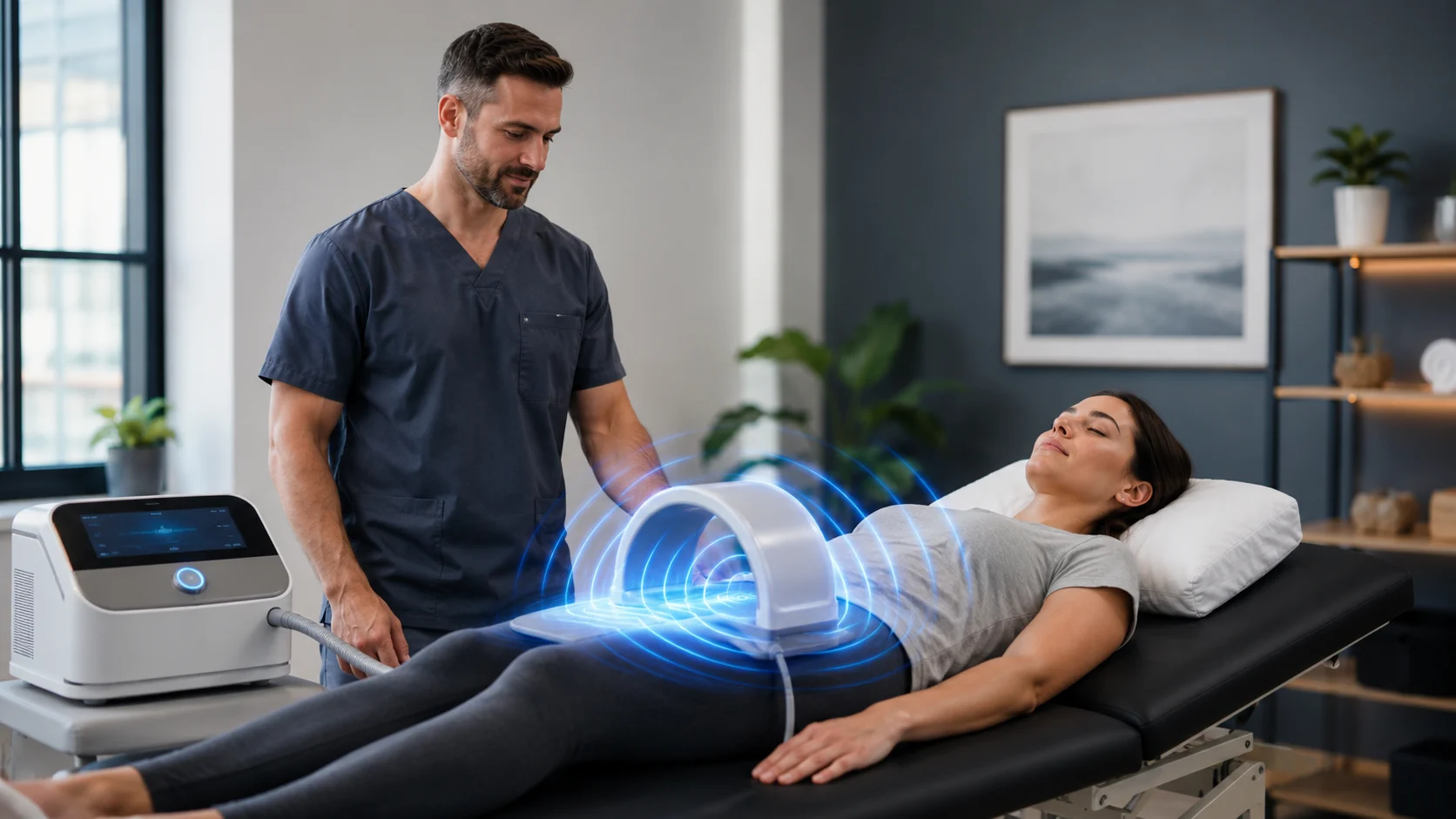
A typical PEMF session begins with positioning an electromagnetic applicator close to the area being treated. Depending on the system, the patient may sit in a chair, lie on a treatment table, wear a portable device, or place a pad around a joint or limb. Clothing usually does not prevent the magnetic field from reaching the treatment area, although users should follow the instructions supplied with their specific device. The clinician or user then selects a program containing predetermined frequency, intensity, and treatment duration settings. Many people feel little or nothing while the electromagnetic field is active. Others may notice mild warmth, tingling, vibration from the equipment, or muscle sensations with certain higher-intensity technologies.
Session length varies greatly because PEMF protocols are designed around different devices and treatment purposes. Some rehabilitation sessions last around fifteen to thirty minutes, while certain prescription bone growth stimulators may require significantly longer daily use according to their labeling. Treatment frequency can also range from several clinic visits per week to daily home sessions over multiple weeks or months. More exposure is not automatically better, because biological responses may depend on appropriate dosing rather than maximum intensity or duration. Users should avoid modifying a prescribed protocol simply because they believe stronger electromagnetic fields will produce faster results. Following the studied or manufacturer-recommended settings is generally more sensible than experimenting with unnecessarily intense programs.
People receiving PEMF for pain should decide in advance how they will judge whether the treatment is actually helping. Tracking pain alone can be useful, but functional goals often provide a clearer picture of meaningful progress. Someone with knee osteoarthritis might monitor walking distance, stair climbing, stiffness after sitting, sleep disruption, and ability to perform prescribed exercises. A person recovering from a musculoskeletal injury could track movement, strength, activity tolerance, and clinician-assessed healing milestones. Consistent measurements are more informative than relying on how the body feels immediately after one session. If several weeks pass without measurable improvement, it may be reasonable to reconsider whether continued PEMF treatment is worth the time and expense.
PEMF therapy usually does not require anesthesia, injections, skin punctures, or medication administration, which contributes to its appeal as a noninvasive modality. Most individuals can resume normal activities immediately after a routine session unless their underlying medical condition requires restrictions. That convenience does not mean every device is appropriate for unsupervised use, especially when significant medical problems or implanted electronic equipment are present. Professional clinics should explain the device being used, its intended purpose, expected treatment schedule, and realistic evidence behind the recommendation. Patients should feel comfortable asking whether the treatment is medically indicated or primarily a wellness service. Transparent providers should also be willing to discuss alternatives rather than presenting PEMF as an essential therapy.
Results, when they occur, may develop gradually rather than appearing dramatically after the first exposure. Chronic joint pain can fluctuate naturally from day to day, so temporary improvement after one treatment cannot establish that PEMF caused the change. Clinical studies generally examine repeated treatment over a defined period rather than judging effectiveness from a single session. Expectations should therefore focus on trends in symptoms and function instead of immediate sensations during treatment. If PEMF is being used as part of physical rehabilitation, progress should also be evaluated alongside exercise adherence and other components of care. The goal is not simply to complete electromagnetic sessions but to achieve meaningful improvement in movement, comfort, healing, or daily activity.
PEMF Therapy Risks and Possible Side Effects
PEMF therapy is generally considered noninvasive, and clinical studies often report relatively few serious treatment-related adverse events. That safety profile is one reason electromagnetic stimulation continues to be researched for orthopedic and rehabilitation purposes. Nevertheless, “noninvasive” does not mean completely risk-free or suitable for every person. Mild symptoms reported around magnetic or electromagnetic treatments can include temporary discomfort, headache, fatigue, dizziness, or unusual sensations, although experiences depend on the particular technology. Skin irritation may also occur with systems that use attached electrodes or adhesive components rather than magnetic coils alone. Any persistent, worsening, or unexpected reaction should prompt users to stop treatment and contact the prescribing clinician or device manufacturer.
The most important safety consideration involves implanted electronic medical devices such as pacemakers, implantable cardioverter-defibrillators, neurostimulators, or certain medication pumps. Electromagnetic fields can potentially interfere with electronic equipment, and warnings differ according to both the PEMF device and the implanted medical system. For example, labeling for some prescription bone growth stimulators specifically warns patients with pacemakers or defibrillators to consult appropriate medical specialists before treatment. Someone with an electronic implant should therefore never assume that a consumer PEMF mat is safe simply because the magnetic field is described as weak. Device compatibility should be confirmed with the treating physician and, when appropriate, the implant manufacturer. This precaution is more reliable than generalized safety advice found in product advertisements.
Pregnancy is another situation where caution is sensible because safety data for many PEMF products are limited. Some prescription device labeling states that safety and effectiveness during pregnancy have not been established, rather than proving that PEMF definitely causes harm. Because pregnancy involves rapidly developing fetal tissues, unnecessary electromagnetic treatment should not be started without guidance from an obstetric or relevant medical professional. Similar caution is reasonable when a treatment area contains a newly implanted medical device or when someone is undergoing complex medical care. Individual product instructions may contain additional warnings based on intensity, treatment location, or intended use. Consumers should read those instructions instead of relying on a universal list of PEMF contraindications copied from unrelated devices.
Metal orthopedic implants are often a source of confusion because not every piece of metal automatically prevents PEMF treatment. Plates, screws, artificial joints, and other passive implants differ from electronically powered implants such as pacemakers. Whether a particular treatment is appropriate depends on the implant, PEMF system, treatment location, and manufacturer’s instructions. Patients with recent joint replacements or fracture fixation should also follow surgical restrictions regardless of whether electromagnetic treatment feels comfortable. PEMF should not be used to justify premature weight-bearing, aggressive exercise, or ignoring postoperative precautions. When uncertainty exists, the surgeon or treating rehabilitation professional can determine whether electromagnetic therapy fits safely within the recovery plan.
Another risk is delaying appropriate diagnosis because PEMF is marketed as a solution for pain that actually requires medical attention. Persistent pain can result from fractures, infections, nerve compression, inflammatory disease, blood clots, cancer, or other conditions that should not be managed through home electromagnetic treatment alone. Warning signs such as chest pain, sudden weakness, severe swelling, high fever, neurological changes, major trauma, or rapidly worsening symptoms require proper medical evaluation. Consumers should also be cautious when a provider claims PEMF can replace medications or treatments prescribed for serious diseases. The greatest harm may sometimes come not from the electromagnetic field itself but from choosing an unproven therapy instead of timely evidence-based care.
What Does the Research Say About PEMF Therapy?
Research on PEMF therapy is difficult to summarize with a simple statement because outcomes differ significantly by condition and treatment protocol. Studies use varying frequencies, field strengths, pulse shapes, treatment schedules, follow-up periods, and outcome measurements. Some trials also include relatively small groups, making it harder to distinguish genuine effects from random variation. Sham-controlled studies are particularly valuable because expectations surrounding a technology-based treatment can influence subjective outcomes such as pain. Systematic reviews frequently conclude that PEMF appears promising for certain musculoskeletal outcomes while simultaneously emphasizing methodological limitations. Readers should therefore pay attention to the quality and consistency of evidence rather than counting how many studies appear to have positive conclusions.
The evidence surrounding knee osteoarthritis illustrates this uncertainty particularly well. A 2024 systematic review described encouraging findings across some osteoarthritis studies but noted considerable variation in treatment protocols and study quality. More recent analysis of randomized controlled trials found that overall pain and total WOMAC scores did not significantly improve at one month, although some specific stiffness, activity, and earlier pain measures favored PEMF. Researchers concluded that treatment effects may depend partly on frequency, amplitude, and timing while emphasizing the need for standardized high-quality trials. This does not mean PEMF has no value for osteoarthritis, nor does it establish that the therapy reliably works for everyone. The evidence currently supports cautious, individualized expectations rather than strong universal claims.
Bone healing requires an equally careful interpretation because prescription bone stimulators and general PEMF wellness devices should not be treated as interchangeable. Regulatory recognition exists for specific noninvasive bone growth stimulation indications, including established nonunions and selected adjunctive orthopedic uses. However, a 2024 systematic review update examining PEMF for acute fractures included three randomized controlled trials involving 197 patients and found no significant improvement in the acute bone-healing process. The review also reported inconsistent findings for pain and functional recovery. These results demonstrate why evidence supporting a treatment in a carefully defined nonunion population cannot automatically be applied to every fresh fracture. Treatment decisions should follow the indication and evidence relevant to the patient’s exact orthopedic situation.
Research into broader orthopedic pain also shows potentially useful signals without providing a universal treatment formula. A recent systematic review of low- and high-intensity magnetic field therapies reported pain and functional improvements across several included randomized trials, with no serious adverse events reported in those studies. The authors nevertheless emphasized the need for larger trials and greater standardization of treatment parameters before firm conclusions can be drawn. That balance is important because promising evidence is not the same as definitive evidence. A therapy may have a favorable safety profile and modest average benefits while still producing little noticeable improvement for some individuals. PEMF can therefore be reasonable to discuss as an adjunct when cost, safety, alternatives, and treatment goals are considered together.
Consumers evaluating PEMF research should also distinguish biological plausibility from proven clinical effectiveness. Laboratory experiments may demonstrate changes in cells or inflammatory pathways, but patients ultimately need evidence showing meaningful improvements in pain, mobility, healing, or quality of life. Testimonials, before-and-after stories, and celebrity endorsements rank far below randomized controlled trials when judging effectiveness. It is also useful to determine whether research tested the exact device or simply another technology using the general PEMF label. Treatment intensity and frequency can vary enough that findings from one system may not transfer directly to another. The most evidence-based position is therefore neither that PEMF is useless nor that electromagnetic therapy can heal nearly everything, but that its usefulness depends strongly on context.
How to Decide Whether PEMF Therapy Is Worth Trying
The first step in deciding whether to try PEMF therapy is identifying the problem you actually want to address. Someone with an established fracture nonunion has a very different clinical situation from someone purchasing a full-body mat for occasional post-workout soreness. Ask whether the condition has been properly diagnosed and whether PEMF has been studied specifically for that diagnosis. Next, determine whether the device is a prescription medical system, a rehabilitation product, or a general wellness device. These categories can involve very different levels of regulation and supporting evidence. Clear treatment goals make it easier to decide whether electromagnetic therapy deserves a place within a broader care plan.
Cost also deserves consideration because PEMF equipment and clinic treatment packages can range from relatively affordable to extremely expensive. A high price does not necessarily indicate that a device produces a more effective electromagnetic exposure or has stronger clinical evidence. Before paying for multiple sessions, ask the provider how many treatments are recommended, what improvement is realistically expected, and when progress will be reassessed. Consumers purchasing home PEMF devices should review warranty terms, technical specifications, safety certifications, return policies, and available research. Beware of sales pages using scientific vocabulary without linking the claims to appropriate clinical trials. It is reasonable to expect transparent evidence when a device costs hundreds or thousands of dollars.
People using PEMF for a medical condition should discuss it with the clinician overseeing that condition, particularly when surgery, prescription medication, implanted devices, or significant health problems are involved. A doctor or physical therapist does not necessarily need to endorse every complementary treatment, but they can help identify interactions, contraindications, or reasons symptoms require further evaluation. Patients should also disclose other treatments they are using rather than assuming PEMF exists separately from conventional care. The conversation can focus on practical questions such as whether treatment is safe, what outcomes should be monitored, and how long a trial should continue. Collaborative decision-making is especially valuable when scientific evidence is promising but incomplete. It allows patients to explore options without sacrificing established standards of care.
A sensible PEMF trial should have a beginning, measurable goals, and a point at which treatment is reconsidered. For example, a patient might track pain intensity, morning stiffness, walking tolerance, medication use, sleep disruption, and ability to complete rehabilitation exercises over several weeks. If those outcomes improve consistently, PEMF may be providing useful adjunctive value even if it is difficult to determine the exact biological mechanism. If nothing changes despite adequate use, repeatedly purchasing additional sessions may provide diminishing value. Improvement should also be weighed against cost, convenience, and alternative treatments that have stronger evidence. Structured tracking protects consumers from continuing therapy solely because they have already invested money in a device or treatment package.
Ultimately, PEMF therapy occupies a middle ground between established medical technology and an expanding wellness marketplace. Specific electromagnetic bone growth stimulators have legitimate orthopedic roles, while research into osteoarthritis and musculoskeletal pain continues to produce mixed but sometimes encouraging results. Broader claims involving detoxification, dramatic anti-aging effects, universal inflammation reduction, or treatment of numerous unrelated diseases remain much less convincing. People considering PEMF should therefore match expectations to the evidence available for their condition and device. When used appropriately, electromagnetic therapy may serve as a convenient, noninvasive addition to rehabilitation or medically supervised treatment. The safest approach is to view PEMF as a potentially useful tool rather than a substitute for accurate diagnosis, comprehensive care, and proven medical treatment.
Frequently Asked Questions About PEMF Therapy
Is PEMF therapy scientifically proven?
PEMF has scientific support for certain specific uses, particularly regulated bone growth stimulation, while evidence for conditions such as osteoarthritis and musculoskeletal pain remains mixed. Effectiveness depends heavily on the condition, device, frequency, intensity, and treatment protocol.
How long does it take for PEMF therapy to work?
There is no universal timeline because PEMF protocols and health conditions vary considerably. Some studies evaluate changes after several weeks of repeated treatment, while prescription bone growth stimulators may be used for much longer periods according to medical instructions.
Can you use PEMF therapy every day?
Some PEMF protocols involve daily treatment, but appropriate frequency depends on the particular device and intended purpose. Users should follow the prescribed or manufacturer-recommended schedule rather than assuming that longer or more frequent exposure will produce better results.
Who should not use PEMF therapy?
People with pacemakers, defibrillators, or other implanted electronic devices should obtain medical guidance before using PEMF because electromagnetic fields may interfere with some equipment. Pregnant individuals and people receiving treatment for significant medical conditions should also discuss PEMF with an appropriate healthcare professional before beginning therapy.
Is PEMF therapy the same as red light therapy?
No, PEMF therapy uses changing electromagnetic fields, while red light therapy uses visible red or near-infrared light directed at tissues. Although both are marketed as noninvasive therapies, they use different forms of energy, biological mechanisms, devices, and treatment protocols.